By Nomathemba Pearl Dzinotyiwei
 It pains me to write this. SA is a beautiful country. But the contrasts are hard to ignore. The ultra-rich 1%, the better off 9% that manage on credit & the 90% that are not able to make ends meet. We complain about crime, violent protests & derelict infrastructure. How did we get here? When we talk of apartheid and colonialism, people want to shut it down and say ‘get over it’. But it’s not over. Both had a terrible & lasting impact on the psyches of Black people which will take generations to erase. The violence & crime we see today is a direct result.
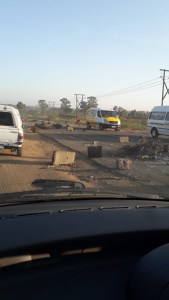
 The violence and oppression of Black people in South Africa because is now manifesting as violent crime such as robbery, rape etc. Black men felt powerless & took their emotions out on women & children, those weaker than them. They turn on foreigners for the same reason. The violence of the protests is a result of not being heard until essential infrastructure is damaged.
Black people have been underpaid and many still are, compared to white people in the same jobs. If you don’t pay the parents a living wage, they can’t feed their children properly. Inadequate nutrition & mental stimulation before age 3 leads to irreversible brain damage. Research has shown that poor people live under unremitting stressful conditions which lead them to make poor decisions of the short-term kind. They are unable to plan beyond getting the next meal by any means available. Those people unfortunately are the majority of the 90%.
Captains of industry complain that there are no skills in engineering, science & maths. Where will the skills come from? The people do not have the capacity to learn due to childhood malnutrition, because their parents were poorly paid plus they had ill-equipped schools. The same people complain about crime & how it deters investors. They refuse to connect their desire for short- term profit 2 generations ago to the social problems that we see today. They pretend that everyone has the same 24 hours & equal opportunity while bypassing BEE rules.
There are no easy solutions. I agree with Professor Mamokgethi Phakeng @UCT_VC calling for a wealth tax on the 1%. The 9% are burdened by income and value-added tax which take up a significant portion of their income. The wealthiest 1% do tax planning and manage to get away with legal avoidance of taxes because they can afford professional tax advice. The project for national renewal needs funding.
We need sound ethical leadership at all levels of society. The focus on short-term profit needs to be done away with. Shareholders who put pressure on businesses to make a profit at all costs are equally responsible. Naturally they belong to the 1%. The same shareholders look the other way when their executives bribe or make “facilitation payments” to get government business. The culture of corruption in the public sector is not a post-apartheid phenomenon. However our leaders learned from the best and have taken corruption to another level. Now there is nothing left to steal.
We can start by ensuring children are properly fed & early childhood learning centres are built. Then we can stop manufacturing criminals. This requires parents who are working to be paid a living wage. It’s a no- brainer. The multiplier effect alone of improving workers’ incomes will create a bigger more profitable market in the long run for business.
To address the issue of violence, we need conflict resolution work & debriefing to happen in our townships and schools to enable people to solve problems without resorting to violence. The work that Forest Whitaker @ForestWhitaker is doing with his foundation in the Cape flats is commendable. We need more of that.
60% of households in SA do not own a book. Only 14% of the population read for leisure. A novel on average costs R250 in a bookshop. We need government to support the publishing industry by zero-rating VAT on books. Festivals like the Abantu Book Festival @Abantu_ need support to build a reading culture. Because South African history is not taught in schools, works of fiction or historical novels and works of nonfiction can fill that gap. The lack of knowledge of history, whether our own i4 that of others means we are doomed to repeat the same mistakes.
The film industry can also be used to turn the culture around. Nollywood & Bollywood are the biggest film industries in the world by turnover. Investment in local films to provide entertainment and facilitate a culture change. Mobile cinemas can help reach people in remote areas. If we can make films that show what South Africa can be to the younger generation, then we have a chance to re-engineer the national psyche to create our best selves.
Government needs to be serious about creating employment for adults without STEM skills. It’s no use talking about 4IR in a developing country without basic infrastructure, roads, railways, bridges, water and electricity. That work can be done by unskilled people, just pay them. If you keep them busy and pay them well, then they can look after their families and not be tempted to rob, rape and kill.
If you don’t want crime, then stop creating fertile conditions for it, Incidentally among the 1% are those making money from the drug trade, trafficking of stolen goods & human trafficking. They too are responsible for corrupting government officials, who then look the other way as they continue with their nefarious activities. Luckily for them, they can afford armed private security & sip champagne & cognac behind high walls & gates. They can scoff at ‘the wretched of the earth’ but there will come a time when all that money will not save them, when social systems collapse completely.
The legacy of violence created by colonialism and apartheid will continue until the cycle is broken. There can be no freedom or security is the majority of the people are living in poverty & fighting for the scraps. Breaking that cycle requires conscious and ethical leadership that is prepared to do the right thing for the greater good. SA is not irretrievably broken at this point, however the longer we wait, the close we edge towards being a failed state. The country north of the border is almost there. South Africa is not special, no matter how highly we think of ourselves, it can happen here too. It’s not too late to stop it. Our future depends on what we do now.
 PrincessPearlManzini