Divine Justice in the New Testament

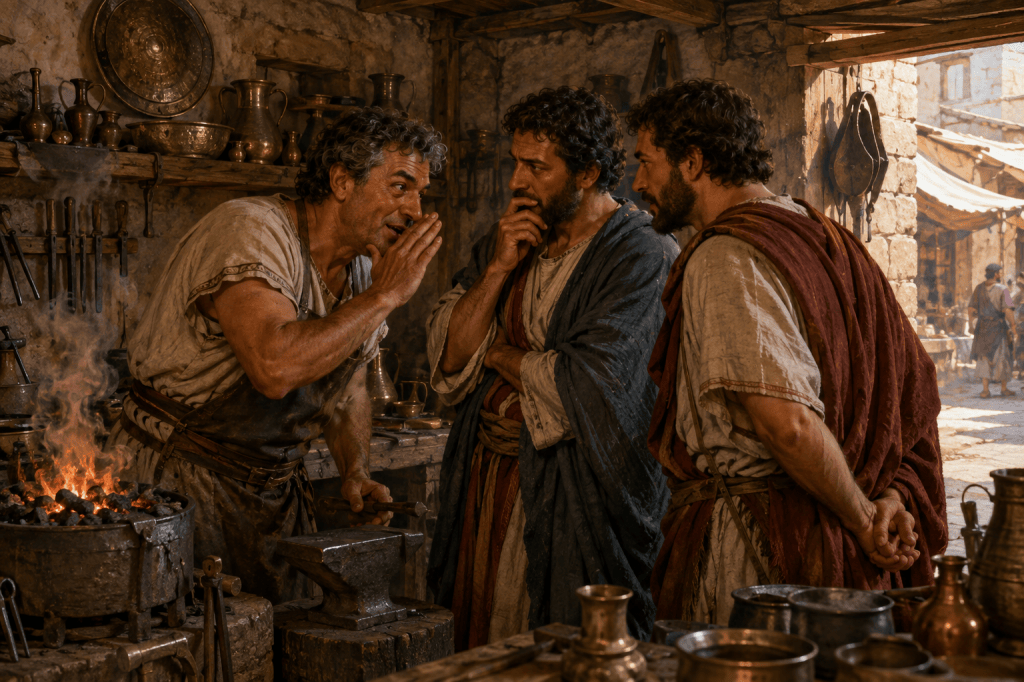
AI-Generated Image

2 Timothy 4:14 reads:

“Alexander the metalworker did me a great deal of harm. The Lord will repay him for what he has done.”

This statement occurs near the end of Paul’s final letter, as he faces trial, abandonment, and probable execution. It is both a personal lament and a sober affirmation of divine justice.

Exegesis

“Alexander the metalworker” translates Alexandros ho chalkeus. The term chalkeus could mean a worker in copper or bronze, or more generally a metalworker. Alexander’s precise identity is uncertain. He may be the Alexander mentioned in 1 Timothy 1:20, but the text does not establish this, and he should not automatically be identified with every Alexander mentioned elsewhere in the New Testament.

Paul says Alexander “did me a great deal of harm.” The Greek expression is strong: polla moi kaka enedeixato—literally, he “showed” or “inflicted many evil things against me.” The following verse explains that Alexander “strongly opposed our message” and warns Timothy to be on guard against him. The harm was therefore not merely a personal disagreement; it involved determined opposition to the apostolic proclamation and posed a continuing danger to Timothy and the church.

“The Lord will repay him” expresses confidence that judgment belongs to God. Most manuscripts present this as a future statement: the Lord “will repay” Alexander. Paul is not announcing his own retaliation or instructing Timothy to punish Alexander. He entrusts the matter to the Lord.

The phrase “according to his deeds” echoes a broad biblical principle: God judges people truthfully and proportionately according to what they have done. Compare Psalm 62:12, Romans 2:6, and Revelation 20:12. This does not teach salvation by meritorious works; rather, deeds reveal moral allegiance and provide public evidence for God’s just judgment.

The immediate contrast is important. In verse 16, Paul says of those who abandoned him, “May it not be held against them.” Yet he speaks more severely about Alexander. Paul apparently distinguishes between frightened or weak companions who failed him and an active, persistent opponent who deliberately resisted the gospel. Christian forgiveness does not require treating weakness, repentance, and hardened malice as morally identical.

Key theological principles

  1. Justice ultimately belongs to God.
    Paul refuses to make himself the final judge. His statement reflects the principle of Romans 12:19: believers must not take personal revenge but leave room for God’s judgment.
  2. Forgiveness is not the denial of evil.
    Paul names the wrong honestly. Christian love does not require pretending that serious harm did not happen or describing malicious behavior in softened terms.
  3. Entrusting judgment to God is different from vindictiveness.
    The verse is not a license to curse enemies or celebrate their destruction. Paul relinquishes personal retaliation because he trusts the Lord to judge rightly.
  4. God’s judgment is according to truth and deeds.
    Alexander will answer not to Paul’s wounded emotions but to God for what he has actually done. Divine judgment is neither arbitrary nor disproportionate.
  5. Opposition to the gospel is a serious matter.
    Alexander’s actions were especially grave because he “strongly opposed” the apostolic message. To resist faithful gospel testimony is ultimately to resist the God whose message it is.
  6. Grace does not eliminate accountability.
    The same Paul who preached justification by grace also taught final judgment according to works. Grace offers forgiveness to the repentant; it does not render persistent evil morally inconsequential.
  7. Forgiveness and prudent boundaries can coexist.
    Paul tells Timothy to “be on your guard.” Entrusting a wrongdoer to God does not mean restoring trust automatically, remaining exposed to danger, or refusing to warn others responsibly.
  8. Moral discernment must distinguish weakness from hostility.
    Paul asks mercy for those who deserted him but invokes divine justice regarding Alexander. This suggests a pastoral distinction between fearful failure and sustained, deliberate opposition.

What this reflects about God’s character

  • God is just. He does not ignore evil or treat the suffering of its victims as insignificant.
  • God is omniscient. He knows Alexander’s conduct, motives, and responsibility more fully than Paul does.
  • God is impartial. His judgment is “according to deeds,” not according to social status, reputation, or Paul’s personal preference.
  • God is the defender of his servants and his gospel. Paul can relinquish revenge because the Lord sees and will act rightly.
  • God is patient but not morally indifferent. Judgment may not occur immediately, but delay does not mean that evil has escaped his notice.
  • God is merciful as well as just. The surrounding passage shows Paul praying for mercy toward those who failed him. God’s justice and mercy are not competing defects or impulses; both are expressions of his holy character.

The central message is therefore not “Paul wanted revenge.” It is: Paul could name evil, protect Timothy, and surrender final judgment because he trusted the righteous Lord. The verse teaches neither passive tolerance of abuse nor personal vengeance, but truthful discernment, wise boundaries, and confidence in God’s perfectly informed justice.

The Season of Ma’at: Cosmic Alignment, Divine Justice, and the Great Shift

Picture courtesy of Pexels

We are currently moving through one of the most spiritually charged windows of the year. From 23 July to 22 August on the solar calendar (and spanning from the preceding New Moon to the next on the lunar calendar), we enter the Season of Ma’at in Kemetic spirituality.

Ma’at is the ancient Egyptian divine principle of truth, balance, law, order, and justice. When Ma’at governs, the universe demands alignment. Anything resting on a false foundation is forced to yield to cosmic truth.

The Convergence: Lions Gate, Planetary Alignments, and The Tower

This year’s Season of Ma’at carries an extraordinarily intense energetic signature, driven by a rare convergence of cosmic events:

  • The Lions Gate Portal: Opening in late July, reaching its energetic peak on 8 August, and closing on 12 August, this portal acts as a high-frequency conduit for spiritual transformation.
  • Sirius B & Saturn Retrograde: The heliacal rising and influence of Sirius B combined with Saturn’s retrograding energy brings an unyielding focus on karma, accountability, and time-tested structures.
  • Eclipses & Alignments: Accompanied by potent planetary alignments and eclipse energy, the cosmos is driving a major macro-level reset.

In the Tarot, this energy is reflected directly by The Tower. The Tower represents the sudden, necessary collapse of structures built on lies, deception, or greed. It is non-negotiable divine retribution—a physical manifestation of the law of cause and effect, or sowing and reaping. Those who have inflicted pain, exploited others, or abused their authority are finding that their time has run out, often receiving the consequences of their actions multiplied.

“The Drum Sounds Loudest Before It Splits”

We are watching this cosmic collapse play out in real time across society:

  • Exposure of Corruption: Investigations like the Madlanga Commission of Inquiry are laying bare the heinous acts of civilians, senior police officials, and politicians.
  • The Fall of the Untouchable: High-ranking figures across both public and private institutions are losing positions of power, making way for a forced return to ethics, transparency, and good governance.

While it may feel as though corruption, impunity, and greed have reached a fever pitch, remember the wisdom of the Ndau people: “The drum sounds loudest when it is about to split.” The chaos we see is not a sign that evil is winning; it is the final, frantic noise of a dying cycle.

Synchronicities, Symptoms, and What You May Be Feeling

As the universe rearranges itself to purge chaos and restore order, your physical and subtle bodies are processing these heavy shifts.

Signs from the Universe

Keep an eye out for recurring numeric sequences on clocks, license plates, and receipts. Angel numbers like 11:11, 18:18, 18:08, 12:22, and 17:17 are subtle pings from the spiritual realm confirming that you are aligned with this broader transition.

Physical and Emotional Symptoms

Because the planet’s energy is being recalibrated, you might experience:

  • Persistent fatigue or sudden drops in energy
  • Muscle tension and physical restlessness
  • Unexplained anxiety or feeling “on edge”
  • Insomnia, vivid dreams, or waking up during peak night hours

Do not panic—this tension is simply your system adjusting to higher vibrations as old energetic blockages dissolve.

How to Navigate the Transition

To anchor yourself during this storm and prepare to build something lasting on clean ground, lean into intentional spiritual and physical care.

Picture courtesy of Pexels

Recommended Practices

Spiritual & Ritual

Meditation and focused prayer

Affirmations of truth, peace, and justice

Strategic fasting and clean offerings

Spiritual cleansing baths (using sea salt, hyssop, or protective herbs)

Physical & Self-Care

Prioritize deep rest and unstructured downtime

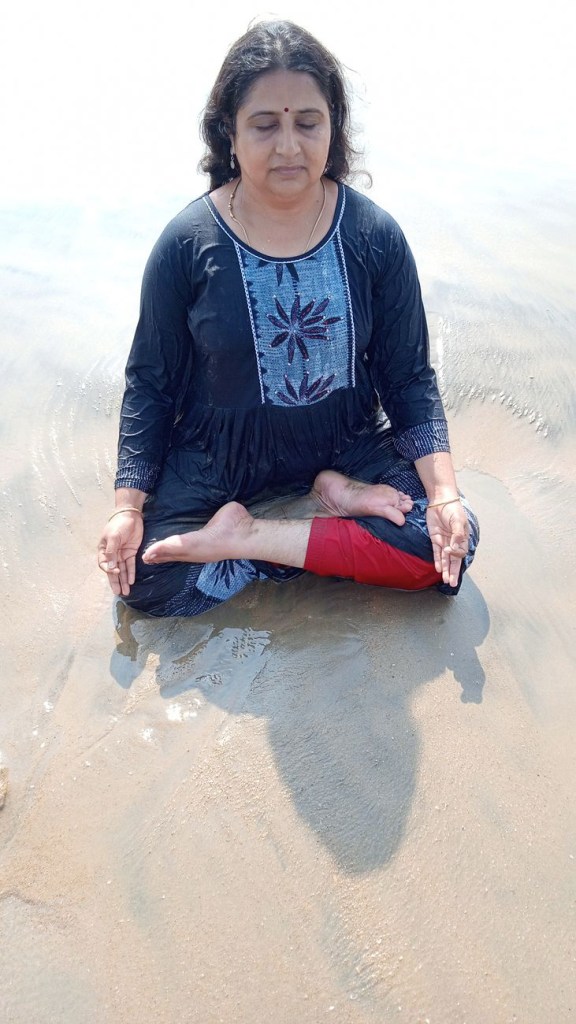
Engage in gentle exercise (stretching, walking, yoga)

Detoxify your body through clean foods and extra hydration

Limit exposure to chaotic news and low-vibrational environments and people.

The New Beginning

The Season of Ma’at does not destroy to leave us in ruins; it clears the debris so we can construct a life rooted in truth. As the old structures crumble away, allow yourself to release the heavy burdens of the past few years.

Do the inner work, stay grounded through the shift, and hold fast to integrity. You are being prepared to emerge lighter, energized, and ready to take flight in the new era ahead.

Father’s Day, Passion and Purpose


I am thrice blessed. I have a loving God and father in Heaven, who blessed with a loving father and mother on earth. Today is about my Dad. I am very much my father’s daughter. Not only do I resemble him, I also inherited his strong opinions, stubborn outspokenness, a love for reading and music and a four octave musical range.  Today I reflect on the lessons my father taught me both the spoken and unspoken. 

 My father is a retired magistrate, passionate about the law and Justice. I am equally so. So passionate was I, that I was crushed when I fell short of getting into the Bachelor of Laws programme at the University of Zimbabwe. Someone leaked one of two of our A-Level History exam papers and the students in the entire province had 25% deducted off our final marks, even though most of us never even saw that paper. So I ended up with a D in History, my favourite subject and lost the critical two points I needed to get into that competitive programme. In retrospect, that was the work of my Heavenly Father. With my inherited passion for justice and inability to be silent in the face of any form of unfairness, had I studied law, I would have been in the midst of the political turmoil of the late 1990s and 2000s and would most likely have either disappeared, in prison or dead in prison, which is the fate of most activists in the country where I was born.  Both have landed me on the wrong side of the establishment  in my professional life in the private sector corporate entities, where I have worked. But in the words of Proverbs, wisdom is always proved right by her actions. It is not always pleasant or comfortable to be right, but a key lesson that I leant from both my parents, was the importance of integrity, to stand up for what is right and to not back down even in the face of overwhelming opposition. 

Whenever things are difficult, I reflect on those times, on how my parents got through the difficult times and I remember the Bible verse that says , in all things God works for the good of those who love him who are called according to his purpose (Romans 8.28). My father eventually left the legal profession and civil service to join the private sector. He continued to stand up for those who were unjustly punished or dismissed by under company  policy. Eventually he left the private sector for good and he now preaches the Word of God, and compiles and translates hymns and texts for the Methodist Church. 

My father follows in his father’s footsteps. It took a long time for us to piece the history together, because of family history and politics. My paternal grandfather was an evangelist from the Seventh Day Adventist Church. He died when my father was very young. We were raised in the Wesleyan Methodist Church, which my grandmother and her family  attended and we still attend today. My parents and I are lay preachers in the church.  I see the goodness and the grace of God in our lives, despite the hard times, because of the faith of my grandparents on both sides. The Word says He shows love to a thousand generations of those who love him and keep his commandments. Exodus 20:6 To preach the word takes courage. It is not always easy or comfortable, because one must speak as directed by the Holy Spirit and the Word of God. 

Why do I tell this story? It took my father close to half a century to realise his purpose, based on his gifting to spread God’s Word through preaching, writing and singing. It has taken me only a decade less than him to accept mine, which is to teach, to heal and to bring hope. It took a lot of work with a personal coach to understand that we all have unique gifts for the benefit of others and our lives are richer and more fulfilling when we use those gifts and live according to our purpose. We do not serve the world by placing small. False modesty is a disservice to our fellow man and the equivalent of burying the talent of gold waiting for the master to return. 

So when I prepare a sermon, stand at the pulpit to preach, when I write and when I sing, I acknowledge the gifts of my ancestors and I acknowledge the power and inspiration that comes from my Creator. Above all I am grateful to the man that made it possible, my Dad. 

Genealogy, Identity and Spirituality: Finding Myself

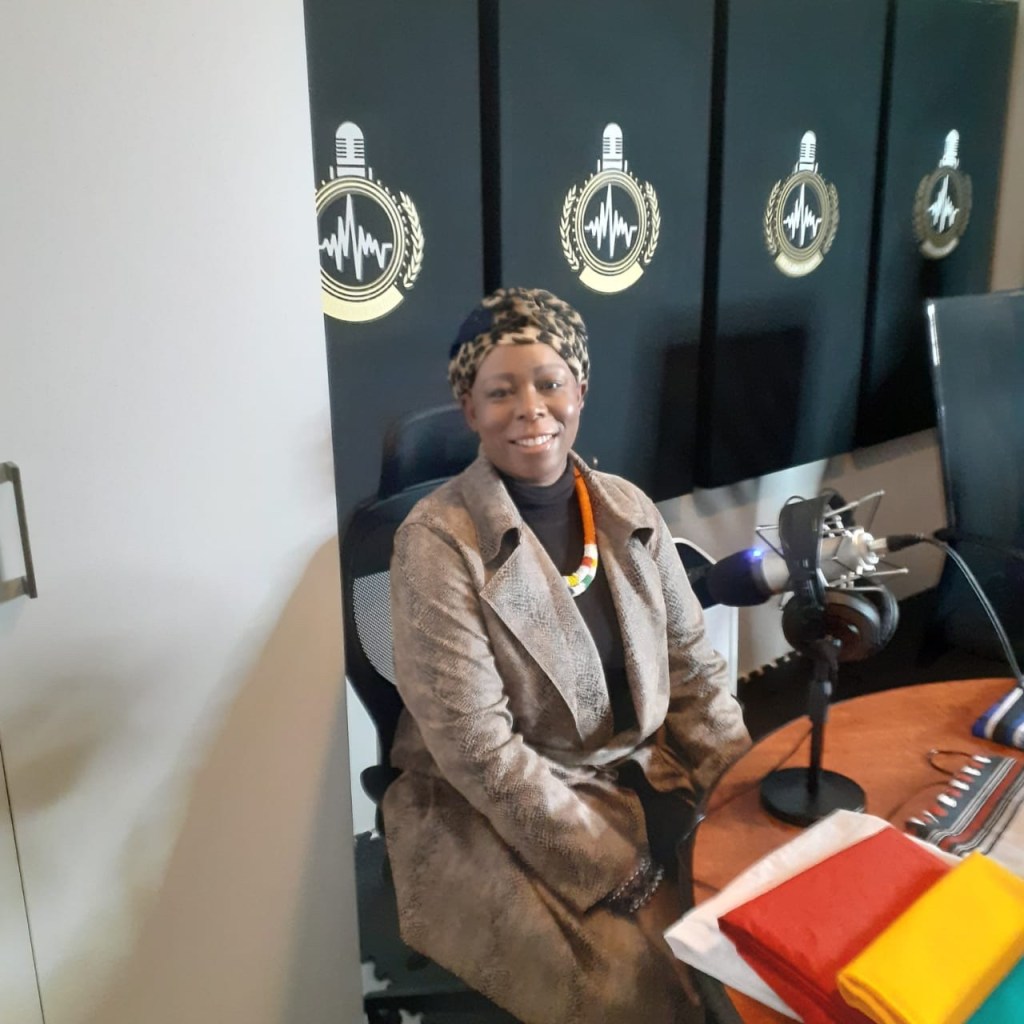
Podcast Radio Interview on Ancestral Apparel

Spirituality is a vast, fascinating, and for many a confusing subject. It is often approached from a point of view of what we believe, which in itself is based on early childhood programming and practices and beliefs instilled by family and the community we are raised in. Education adds to what we believe, providing an additional layer of programming and to a large extent social control through rules associated with spiritual traditions. However, there comes a time when one must decide who we are and what spiritual beliefs and practices support our growth and wellbeing.

Many of us are raised in Christian households because missionary Christianity, in order to support its mission used the carrot and stick method. One end of the stick included forced conversions, starting with the spiritualists and healers in the community. In cases where people refused, they were tortured and killed to literally strike the fear of God in the community.

The other end of the stick was the demonisation and denunciation of people’s spiritual beliefs and practices, which in all cases dated back thousands of years before Christianity. If these beliefs and practices were as primitive, backward, evil and of no effect, why the forced conversion? Why not stage a dramatic showdown as was done in the book of Kings on Mount Carmel between the prophets of Baal and Elijah, the prophet of God? Surely that would have been a more effective strategy, showing once and for all, whose God is superior. Was there no God before Christianity? The fact that force had to be used means the missionaries and colonisers had something to fear from the indigenous peoples’ spiritual beliefs and practices hence violent suppression had to be used alongside propaganda to instil missionary religion.

The carrot was education and healthcare. The commercialisation of agriculture and mining and forced conscription of the men into the colonial economy left families of women and children vulnerable. Conversion to Christianity was a condition for receiving healthcare and education. Furthermore, the church provided a community, a place of gathering and meeting for women to receive social support.

As a result, families abandoned their spiritual beliefs and practices en masse and converted to Christianity. Some held onto their beliefs, rituals and ceremonies, either practising them in secret or syncretising them with Christianity into what became known as African Independent Churches. The latter strategy meant they would not be harassed for practising their spiritual beliefs.

What happens when an educated woman from a family that has been Christian, Wesleyan Methodist for 4 generations, receives an ancestral calling as a healer? What happens when the better-known family history is only from her mother’s side, because the father’s side is not only Christian but there is an issue of paternity, and no connection with the biological paternal line? Ancestral callings require you to revisit history and learn the ways of your people for you to practice as a healer. Without that grounding, how do you navigate your spiritual awakening? You have no elders to advise or guide you because they don’t know how to do it and in many cases they don’t want to because they have been conditioned to believe that anything outside Christian doctrine is satanic and against the will of God.

Those of us who have studied theology understand that doctrine and dogma is shaped by Church history, politics and the systematic rewriting of biblical texts, including mistranslations make the Bible imperfect. Moreover, Christianity only became the official religion of the Holy Roman Empire, much later, when the Emperors of Rome realised it to be a useful tool for social control. There was a time when Christians were fed to the lions for entertainment, part of the strategy to destroy this rising sect that was seen a threat to Roman rule. However, the oppressed learn the strategies of the oppressor and missionary Christianity would use the same strategies to ruthlessly oppress and destroy those whose beliefs do not align with theirs.

This leaves a person going through a spiritual awakening associated with an ancestral spiritual calling, lost, confused and vulnerable to manipulation from anyone who appears to have answers. You have sleepless nights, confusing dreams, visions and intuitive messages and no manual to clarify. The Western dream journals have a few answers but the cultural references are off. The Eastern and Arab dream symbols also have some answers but are not entirely aligned. A few content creators assist by providing dream interpretations from an African perspective but if you don’t understand their language, the answers are still hard to find. This is tricky because the path of self-initiation where you receive guidance from your ancestors and spirit guides relies on you decoding your dreams to take the next steps for your evolution.

After much trial and error, prayer, communicating with my ancestors and learning from other healers, I eventually found a way. My mixed heritage made things very interesting as my spirituality does not fit a single cultural template. What is true however, is that certain of my spiritual practices eventually put me in direct conflict with church doctrine and I had to choose between continuing my spiritual journey and completing the mission set by my ancestors and leaving the church or subjecting myself to church discipline and continuing in the office of a preacher. I chose the former because my resistance to my calling had cost me and my family dearly and I needed to undo the damage otherwise the duty would fall to yet another hapless descendant of our lineage.

The first clue about my heritage was the spiritual cloths. The prints I was instructed to buy and wear, each associated with a particular guide gave a clue about my heritage. The first was the white leopard print. The leopard skin in Kemetic Spirituality is used to chase away evil spirits and is worn by royalty across Africa. I was shown one of my guardians in the form of a leopard. Tracing my genealogy through family and clan names confirmed my royal lineage, on both sides of my family.

Leopard and Cheetah Animal Prints

The lion print was the next clue. I had dreamt of lions for years, again another marker associated with royal ancestry. The spirits that take the form of a lion are fierce, feared and confer courage, dignity and wisdom. Those with the lion guides are destined to be leaders. This was not a surprise as leadership roles found me, even when I was not looking.

The cheetah appeared next. This guide brought strategy, speed and psychic awareness. The cheetah is a pack animal, associated with warrior guides. All these are creatures of the savannah, where the sunlit grasslands of the east carry the game they hunt as prey.

Plain Fabrics Associated with Isithunywa

I have plain fabrics, the colours of which are associated with certain healing gifts. This was because most of our ancestors who were healers were forced to camouflage their spiritual practices under African Independent Churches to avoid prosecution under the Witchcraft Suppression Act. These are used for the robes, capes and dresses worn by spiritualists who heal through prayer, fasting and cleansing at water bodies.

My origins from East Africa were further confirmed by the sun print. This is associated with the people who worshipped the solar deities, the sun god Ptah- Ra who cycles through different aspects at sunrise, at midday and at sunset. Primarily associated with Kemet, the people of the sun, Bantu Ba Ka Langa, later known as BaKaLanga. There are various interpretations of what prints mean, however the one that makes the most sense now, after everything is the link with my ancestors who lived according to the solar cycles including the equinoxes and solstices and built their calendar around them. Studying the content of the ancient mystery schools of Kemet brings more clarity. When you look at pictures of Kemetic deities, most of them wear anklets and bracelets of different colours because they understood the science of vibration and colours and how they affect the aura or energetic field.

Sisambe Print

I also have the Njeti and Paloo prints which were brought to Africa through trade between our African Ancestors and the Indians. Most of the animal prints are imported from India anyway so that relationship has evolved, it has not died. My Ndau ancestors on my mother’s side traded with Indians so these are ancient ties. The Sisambe print is a tartan, also brought to Mozambique through trade and associated with the VaChopi, whose healers performed surgery and other advanced medical treatments. All these prints are associated with Ndau guides and they present themselves to initiates wearing those prints.

I have written about and posted about ancestral fabrics and other apparel. I continue learning and uncovering more insights as I progress on my journey. Each spirit guide or ancestor – because they are not the same thing but are from different classes in the spiritual hierarchy, chooses to present themselves with a particular fabric or fabrics because of the vibration of the colour and pattern and the message for the initiate which they will understand with patience, time and practice.

What is now clear to me is that no religion or spiritual tradition has all the answers. We are ultimately sovereign spiritual beings created in the image of the One, the Source or Creator of all things. We incarnate into clans of our choosing to learn certain life lessons, repay karmic debts and be of service to humanity in one capacity or the other. Ultimately, we return to Source, however tradition defines it, just as a child returns home to their parents.

May your spiritual journey be one of joy and enlightenment and may it enable you to fulfil your purpose.

Unlocking Your Joy: The Power of Self-Love, Boundaries, and Letting Go of Validation (From Kigali with Love)

By Nomathemba Pearl Dzinotyiwei


From the vibrant energy of Kigali, where community spirit thrives, I’ve also come to appreciate the profound importance of individual strength and self-acceptance. It strikes me that while connection is vital, our truest sense of belonging begins within ourselves. Today, let’s explore the transformative power of self-love, the strength of setting boundaries, and the liberation that comes from no longer seeking external validation.

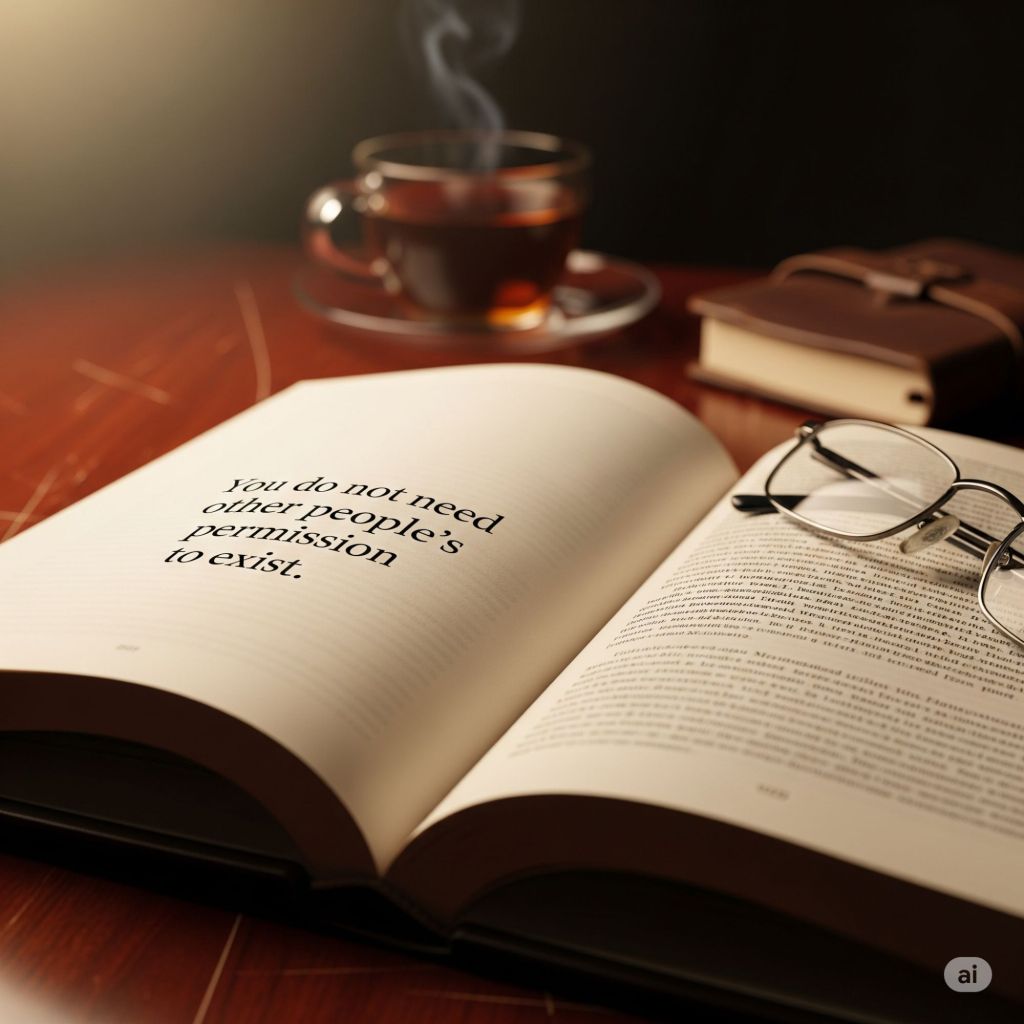
AI-Generated Image


How often do we find ourselves contorting to fit into someone else’s mould? We might dim our own light to avoid outshining others, silence our opinions to maintain harmony, or people-please to earn a fleeting sense of acceptance. We become chameleons, adapting to our surroundings, often at the expense of our own authentic selves.
But what if we told you that you don’t need permission to be exactly who you are? What if you could shed the heavy cloak of people-pleasing and step into the radiant truth of your being?


The Foundation: Cultivating Self-Love

It all starts with self-love. This isn’t about arrogance or vanity; it’s about treating yourself with the same kindness, compassion, and understanding you would offer a dear friend. It’s acknowledging your worth, celebrating your strengths, and accepting your imperfections as integral parts of what makes you uniquely you.
When you cultivate self-love, external validation loses its grip. You no longer need others to tell you that you are enough because you already know it deep within your soul. This inner knowing becomes your anchor, grounding you amidst the shifting tides of external opinions.


The Shield: Setting Healthy Boundaries

Self-love naturally leads to the establishment of healthy boundaries. Boundaries are not walls built out of fear; they are loving lines we draw to protect our energy, time, and emotional well-being. They communicate to others how we expect to be treated and what we are willing and unwilling to accept.
Saying “no” can feel daunting, especially when we’re accustomed to prioritizing the needs of others. But learning to set boundaries is an act of self-respect. It allows us to conserve our energy for what truly matters and prevents us from becoming resentful or burnt out from constantly overextending ourselves. In the warm spirit of community I’ve experienced here in Kigali, I’ve also witnessed the inherent respect that comes from clearly defined expectations.


The Freedom: Releasing the Need for Validation

The ultimate liberation comes when we release the need for external validation. When our self-worth isn’t dependent on the approval of others, we are free to make choices aligned with our own values and desires rather than constantly seeking applause.
Imagine the energy you’ll reclaim when you stop worrying about what everyone else thinks. Imagine the creative spark that ignites when you’re no longer afraid of judgment. Imagine the joy that blossoms when you pursue your passions without seeking permission.


Creating a Life of Joy, Peace, and Fulfillment
Freeing yourself from the burden of people-pleasing and playing small isn’t selfish; it’s self-preservation. It allows you to:

  • Embrace Your Authenticity: You can finally be your true self, without filters or pretenses, attracting genuine connections rather than superficial approval.
  • Pursue Your Passions: You’re no longer held back by fear of judgment or the need for external permission to follow your dreams.
  • Prioritize Your Well-being: You have the space and energy to nurture your physical, emotional, and mental health.
  • Build Meaningful Relationships: Your connections are based on genuine connection and mutual respect, not on a need to please or be liked.
  • Experience True Joy and Peace: Living in alignment with your authentic self brings a deep sense of contentment and inner peace that external validation can never provide.

From the bustling markets to the serene hills of Rwanda, I’ve learned that true strength lies in knowing and accepting yourself. You are inherently worthy, valuable, and deserving of a life filled with joy, peace, and fulfillment. You don’t need anyone else’s permission to exist fully and authentically. So, take a deep breath, embrace your unique brilliance, set your loving boundaries, and step into the beautiful, expansive life that awaits you. You are enough, just as you are.

Soul Tie Rituals for Breaking Emotional Bonds: Cleanse, Cut & Reclaim Your Power

By Nomathemba Pearl Dzinotyiwei

AI – Generated Image

Introduction

Some connections go beyond logic and linger in the shadows of our spirit. You think you’ve moved on, yet their energy still clings. You feel them in your thoughts, your dreams, your emotions—even when they’re no longer physically present. This is not just memory. This is a soul tie.

Soul ties are powerful spiritual and energetic bonds formed through deep emotional, sexual, or spiritual connections. While some are sacred and life-giving, others become toxic, draining, and invasive. In this post, we’ll explore what soul ties are, how they affect your spiritual essence, and offer rituals, tools, and affirmations to break free, cleanse, and reclaim your power.

🔮 What Are Soul Ties?

A soul tie is a deep energetic link that connects you to another person. These bonds are often formed through:

Sexual intimacy Emotional trauma bonding Spiritual connections (like shared rituals or oaths) Prolonged toxic relationships (romantic, familial, or even professional)

While soul ties can be beautiful in healthy relationships, they become spiritually dangerous when they form with narcissists, manipulators, or energy vampires.

🩸The Dark Side of Soul Ties: Spells, Hexes & Energy Drain

Unhealed or malicious soul ties can be exploited for spiritual manipulation. In the hands of the wrong person, soul ties become tools for:

Energy vampirism: Constant emotional pulling or manipulation, even from a distance;

Hexes or binding spells: Using the soul tie as a conduit to curse, trap, or limit your spiritual growth;

Psychic attacks: Nightmares, depression, mental confusion, or sudden fatigue that have no logical explanation;

Emotional sabotage: Recurring feelings of guilt, unworthiness, or obsession tied to a specific person or event(

If you’ve felt inexplicably stuck in a toxic emotional pattern with someone long gone, you may be under the grip of an unhealthy soul tie.

🔥 Rituals to Break Soul Ties and Reclaim Your Energy

Step 1: Awareness + Intention

You must first recognize that the tie exists. Ask yourself:

“Do I still feel emotionally or spiritually tethered to this person?” “Do I feel drained or haunted after thinking about them?” “Am I struggling to move on despite my efforts?”

Set a clear, strong intention: I am ready to release this tie and reclaim my energy.

✂️ Cord-Cutting Ritual

AI – Generated Image

You’ll need:

White candle (for purity) Black candle (for protection) Bowl of water, Pair of scissors or a ritual knife, String or yarn (to symbolize the tie) Paper & pen

Instructions:

Cast your circle or create a quiet, sacred space. Write the person’s name or situation on a piece of paper. Feel the emotion. Let it rise. Tie a string between two objects to symbolize your connection. Light the candles on either side. Say: “By fire, by water, by spirit and breath— I now sever the cords that bind me to death. No more will you drain me, no more control— I reclaim my power, I restore my soul.” Cut the string while envisioning the tie being severed. Burn the paper in the flame and drop the ashes into the bowl of water. Pour the water into the earth or down a drain, saying: “This tie is broken. So it is. So it shall be.”

🛁 Spiritual Bath for Cleansing Residual Energy

Ingredients:

2 cups Epsom salt, or coarse salt and

A handful of fresh rosemary or basil (protection); or 1–2 drops of lemon, lavender, myrrh or frankincense oil;

White rose petals (optional); A black obsidian or clear quartz crystal

Instructions:

Run a warm bath and add the ingredients. Sit in the bath, close your eyes, and imagine a golden light cleansing your aura. Say: “I release all that no longer serves me. Every part of me that was entangled is now free.” Let yourself air-dry, allowing the energy to be released.

🕊️ Closing the Portal: Energetic Release & Emotional Closure

After cutting the tie, you must close the portal that allowed the person access. Otherwise, the connection may reattach.

Block and delete them on all platforms. Remove or cleanse any objects or gifts they gave you. Journal a final letter (don’t send it)—burn it to release your voice. Work with a healer or therapist to process deep trauma or psychic wounds

💬 Affirmations to Reclaim Your Power

Repeat these daily, especially after cord-cutting or cleansing:

“I am whole, I am sovereign, I am free.” “I now call all parts of my energy back to me.” “I release you with love, but I choose myself.” “Every tie not formed in divine love is now severed.” “I walk in clarity, grounded in my own light.”

✨ Final Words: Freedom Is a Spiritual Act

Breaking a soul tie isn’t just emotional closure—it’s a spiritual act of freedom and reclamation. When you cut cords, cleanse your field, and close energetic access, you signal to the Universe: I choose myself. I honor my light. I welcome only that which uplifts and aligns with my highest good.

Your soul is your own. Your energy is sacred. It’s time to return to wholeness.

📌 Save This Post | 💌 Share With a Sister | 🔔 Subscribe for More Energy Work Tools

If you’ve experienced deep soul ties or breakups that linger long after the person has gone, share your story or questions below. Let’s reclaim our energy for lasting peace, joy and abundance.

Protect Your Energy: 10 Sacred Practices to Cleanse, Ground, and Recharge Your Spirit

By Nomathemba Pearl Dzinotyiwei

AI – Generated Image

Have you ever walked into a room and felt drained before saying a single word? Or found yourself carrying someone else’s stress long after they’ve gone? That’s not your imagination—it’s your energy field picking up on your environment.

Your energy is your life force. It fuels your thoughts, your emotions, your intentions—and when it’s under attack or depleted, you feel exhausted, disconnected, and out of balance.

But here’s the good news: you can protect your energy. Daily. Intentionally. Powerfully.

Here are 10 sacred practices to cleanse, protect, and recharge your energy field so you can move through life grounded, aligned, and whole.

🛁 1. Spiritual Baths

AI -Generated Image

A spiritual bath goes beyond self-care. It’s a ritual of release.

Draw a warm bath and add:

Epsom salts to cleanse the aura; herbs like rosemary or lavender for purification; a few drops of your favorite essential oil; flowers for beauty and softness.

As you soak, speak an intention over the water. Visualize all the energetic weight washing away.

Say this affirmation: “I release all that is not mine. I return to center.”

🌿 2. Herbal Steaming

Steaming is a deep energetic detox—especially for the womb space, lungs, and root chakra.

Use herbs like:

Mugwort for spiritual clarity; Eucalyptus to open the breath; Chamomile for calm.

As you inhale the warm steam, breathe in healing. Let the steam carry away stagnant energy.

🗣️ 3. Purging with Journaling or Breathwork

AI – Generated Image

Protecting your energy starts with release.

Journal freely: rage, cry, reflect, release Do breathwork: inhale clarity, exhale toxicity

Let your breath or your words become a spiritual cleanse. Your emotions deserve space.

🕯️ 4. Candle Meditation & Prayers

AI-Generated Image

Fire is a portal. It’s ancient, powerful, and cleansing.

Light a candle.

Sit in stillness.

Focus on the flame.

Pray. Chant. Whisper your truth. Speak protection over your life and your energy.

🕊️ Prayer: “Spirit, guide me. Protect me. Let no harm touch my mind, body, or soul.”

🔮 5. Wearing Crystals

Crystals are more than pretty stones—they’re ancient tools of energy protection.

Wear or carry:

Black Tourmaline for energetic shielding; Amethyst for spiritual protection; Rose Quartz for heart-centered energy.

Cleanse your crystals regularly with smoke, sound, or moonlight.

🎨 6. Color Magic

Color is frequency—and your clothes, makeup, or accessories can be energetic statements.

Red for power; Blue for peace; White for purity Black for boundaries.

Ask yourself: What color does my spirit need today?

🙏 7. Daily Prayer

Prayer is sacred communication. You don’t have to follow a religion to speak with the Divine.

Pray for protection.

Give thanks to your ancestors.

Ask for guidance.

Speak your peace.

Daily prayer becomes a shield that no negativity can penetrate.

🧘🏾 8. Meditation

Even five minutes of silence is powerful.

Sit in stillness.

Focus on your breath.

Use a mantra.

Visualize light flowing through your body

Meditation helps you come back to your center—and back to your truth.

🔮 9. Chakra Clearing

Your chakras are your energy hubs. When blocked, you feel scattered or stuck.

Use:

Sound bowls or tuning forks; Essential oils on chakra points; Affirmations to realign.

🎵 Affirmations:

Root: “I am safe.” Heart: “I am love.” Crown: “I am connected to divine wisdom.”

Keep your energy flowing and clear.

🌀 10. Energy Visualisation

Your mind is your magic.

Close your eyes.

See golden light pouring over you like honey.

Feel it form a cloak of protection.

Or visualize a mirror shield bouncing back negativity.

You are protected. You are sovereign.

✨ Closing Reflections

Protecting your energy isn’t just spiritual hygiene—it’s a radical act of self-love. It’s a declaration that your peace matters. Your spirit matters.

Try one of these practices—or combine them into a ritual that speaks to your soul.

🌸 Your energy is precious.

🌿 Your protection is sacred.

🕯️ Your healing is your power.

Let me know in the comments: Which of these practices will you be trying this week?

And if you’d like more healing tools, spiritual guidance, or grounding rituals—subscribe, share, and stay connected. You are not alone on this journey.

Until next time—stay grounded, stay sacred, and stay protected. 🧿

Is It Love or a Trauma Bond? When Loving a Bad Boy Isn’t Love at All

AI – Generated Image

There’s something intoxicating about the bad boy. The aloofness. The danger. The emotional rollercoaster. The sweet highs followed by gut-wrenching lows. For many, the pull feels undeniable—inescapable, even. But here’s the truth: what we often mistake for love may actually be trauma.

So how do you know the difference between a genuine soul connection and a trauma bond dressed up in romance?

Let’s go deeper.

🧠 When Love Mirrors Old Wounds

A trauma bond forms when we become emotionally attached to someone who repeatedly hurts us. It’s the emotional equivalent of an addiction: a cycle of pain followed by intermittent reward that keeps us hooked. You may feel unable to leave, despite knowing the relationship is harming you.

This cycle is especially common in relationships where one partner is emotionally unavailable, abusive, or dismissive—and the other is stuck trying to earn love that should be freely given.

It’s not love—it’s survival.

And survival patterns are often rooted in our earliest relationships—especially with our parents.

👨‍👧 Daddy Issues, Mother Wounds & Repeating the Past

Many women who chase unavailable or abusive men are replaying unresolved pain from childhood:

A father who left, abandoned, or emotionally neglected them—instilling the belief that love must be chased, earned, or proven. A mother who was critical, absent, or hurt herself—leaving emotional scars and shaping one’s view of worthiness in love. A home environment where love was conditional, chaotic, or abusive—making dysfunction feel familiar, even safe.

We’re not consciously choosing to relive our trauma. But our nervous systems crave what they know—even if it hurts.

🌌 The Spiritual Truth: You Attract What You Are

It’s often said: We don’t attract what we want. We attract what we are. Your vibration—your beliefs, your wounds, your energy—draws in relationships that match your inner state. If your inner world is filled with abandonment wounds, low self-worth, or chaos, you may subconsciously attract partners who reflect those wounds back to you.

That doesn’t mean you’re to blame. It means your energy is calling in mirrors—not because you deserve pain, but because your soul is seeking healing.

Spiritually, toxic relationships can serve as teachers—illuminating what still needs to be healed.

🚨 6 Signs It’s a Trauma Bond, Not Love

1. You feel addicted to the relationship, even when it hurts.

2. You justify or downplay abuse or disrespect.

3. You feel anxious, not safe, around your partner.

4. You’ve lost yourself trying to please or “fix” them.

5. They give you crumbs, and you treat them like a feast.

6. You’ve mistaken chaos for passion—because calm feels boring or “off.”

🛤️ Healing the Pattern: How to Break Free & Attract Healthy Love

Acknowledge the Pattern. Recognize that what you’re experiencing isn’t healthy love. Naming the cycle is the first step to breaking it.

Do the Inner Work Therapy, inner child healing, shadow work, and journaling help uncover the core wounds driving your attraction to pain.

Cut Energetic Cords. Practice spiritual cord-cutting rituals to release unhealthy attachments. Cleanse your energy regularly to reset your vibration. Read my upcoming blog posts thus week on cutting energetic cords and protecting your energy. I also have a YouTube video on that.

Reparent Yourself. Give yourself the safety, love, and validation your parents didn’t provide. You become your own source.

Raise Your Vibration. Do this through cultivating self-love, gratitude, meditation, and joy. Mirror work is a great way to do this. Stand in front of the mirror and speak good things about yourself to your reflection. Do this for a few minutes daily to reprogram your subconscious mind. You begin to attract from a place of worth, not woundedness.

Redefine Love. Love is not supposed to hurt, confuse, or deplete you. Real love is safe, consistent, reciprocal, and kind. Believe you deserve a love that you do not have to work hard or diminish yourself to earn.

💗 Final Words: You Deserve the Love You Give

The truth is, love doesn’t look like begging, suffering, or waiting for someone to change.

If you were taught that love means sacrifice, pain, or chasing someone who keeps slipping away, it’s time to rewrite the story.

You are worthy of love that feels like peace, not pain.

Healing your patterns means you no longer accept less than you deserve. You stop dancing with emotionally unavailable partners and start making room for those who meet you in your fullness.

Because when you love yourself deeply, you raise your standards—and your vibration will only attract what honors that.

Igniting the Inner Flame: How Sexual Energy Fuels Creativity and Wealth

Picture Courtesy of Pinterest

In the ancient wisdom traditions, the concepts of creation, pleasure, and life force are inextricably linked. This life force, often referred to as sexual energy, is far more than just a physical drive. It’s a powerful, primal current that flows through us all, and nowhere is this energy more potent than in the sacral chakra. Located just below the navel, the sacral chakra, or Svadhisthana, is the energetic center of creativity, passion, and emotion. It is the seat of our innermost desires and the wellspring from which our creative “juices” flow. When this energy center is vibrant and balanced, we experience life with a sense of joy, fluidity, and creative spontaneity. We feel inspired, motivated, and ready to bring our ideas to life.


But what happens when this energy is blocked or stagnant? We might feel a lack of inspiration, a sense of creative block, or even a deep-seated feeling of emotional flatness. Healing and balancing the sacral chakra is not about suppressing this energy, but about learning to harness and direct it consciously. It’s about releasing old emotional wounds, embracing our sensuality, and allowing this powerful creative current to flow freely once again.


The Napoleon Hill Connection: Semen Retention and the Path to Wealth


One of the most fascinating perspectives on this topic comes from the legendary success philosopher, Napoleon Hill. In his seminal work, Think and Grow Rich, Hill dedicates an entire chapter to the concept of “The Mystery of Sex Transmutation.” He argues that the energy associated with the sexual impulse is the most powerful creative force in human beings.


Hill believed that the “transmutation” of this energy—the process of channeling it away from purely physical expression and into other endeavors—was a key factor in the success of many great men. He specifically highlighted the practice of semen retention in men as a way to conserve this potent life force. Rather than expending it, men could redirect this immense creative power towards their goals, whether that be building a business, creating a masterpiece, or generating wealth.


Hill’s teachings suggest that this redirected sexual energy provides a unique kind of drive and persistence. It’s an inner fire that fuels ambition and creativity, helping individuals to overcome obstacles and maintain an unwavering focus on their purpose. It’s a powerful reminder that our creative and reproductive forces are fundamentally linked to our ability to “create” success in all aspects of our lives.


How to Enhance and Channel Your Creative Energy


So, how can we consciously work with this powerful sexual energy to facilitate creativity and abundance?

  • Mindful Movement: Practices like yoga, dance, and Qigong are excellent ways to get the energy flowing in the sacral region. Hip-opening poses in yoga, for example, can help release stored emotions and create a sense of spaciousness.
  • Creative Expression: Engaging in any form of creative activity—be it painting, writing, playing music, or even cooking—is a direct way to channel this energy. Don’t worry about the outcome; the process itself is the point.
  • Visualization and Intention: Spend time visualizing your creative projects coming to life. As you feel the passion and excitement, imagine that powerful sacral energy flowing directly into your vision, giving it life and momentum.
  • Conscious Breathing: Deep, intentional breathing can help you connect with your body and circulate energy throughout your system. Try sacral breathing, where you imagine a warm, orange light filling your sacral chakra as you inhale and spreading out through your body as you exhale
  • For Men: The Power of Transmutation: For those interested in Napoleon Hill’s teachings, exploring the practice of semen retention with a clear intention can be a transformative experience. The key is to consciously redirect this conserved energy towards a specific goal, be it a creative project, a business venture, or personal growth.

Channelling Sexual Energy: The Unique Feminine Perspective

Picture Courtesy of Pinterest

The connection manifests uniquely in women due to their specific biological and energetic cycles. Just as in men, this energy is deeply rooted in the sacral chakra, the center of creativity, pleasure, and emotional flow. However, for women, this connection is often experienced in concert with the ebbs and flows of their menstrual cycle and the feminine principle of creation.
Here’s a look at how sexual activity and energy fuel creativity in women:

  1. The Hormonal Link: Ovulation and Creativity
    Research has shown a fascinating link between a woman’s menstrual cycle and her creative output. During ovulation, when a woman is most fertile, there’s a surge in hormones like estrogen. This hormonal boost is associated with increased energy, enhanced mood, and heightened cognitive functions—all of which are excellent for creative work. Studies have even found that women tend to have their most original and novel ideas during this phase. This suggests an evolutionary connection, where creativity may have been a sexually selected trait, serving as a signal of a woman’s reproductive fitness.
  2. The Power of the Sacral Chakra
    From a spiritual and energetic perspective, the sacral chakra’s association with the “divine feminine” is key. The sacral chakra governs the womb, the ultimate creative center where life is conceived. This principle of creation extends beyond procreation to encompass all forms of creativity. When a woman’s sacral chakra is balanced and unblocked, she can tap into her “feminine code superpowers”—her intuition, emotional depth, and ability to manifest her desires. This is about embracing the feminine principle of “receiving” and “nurturing” ideas, allowing for an incubation period before a creative project is brought to life.
  3. The Neurochemical Connection: Dopamine and Flow States
    Both sexual arousal and creative flow states trigger the release of dopamine in the brain. This “pleasure and reward” neurotransmitter creates the motivation and excitement that drive both experiences. The brain doesn’t necessarily distinguish between the two, rewarding the pursuit of both sexual and creative expression with similar feelings of satisfaction. This shared neurochemical pathway explains why a woman who is sexually fulfilled and connected to her sensuality may also feel more motivated and inspired in her creative endeavors.
  4. Transmutation and Conscious Channeling
    Similar to men, women can also practice sexual transmutation to channel their sexual energy into creative projects. This doesn’t necessarily mean abstinence, but rather consciously redirecting the potent energy of desire and pleasure. It involves acknowledging and harnessing this powerful life force and directing it with intention toward a specific goal. This can be done through practices like visualization, where a woman imagines her creative goal coming to life during moments of sexual energy buildup or even during climax.
  5. Vulnerability and Emotional Openness
    Both great sex and great creativity require a profound sense of vulnerability. Sexual intimacy demands a dropping of defenses and a willingness to be present and authentic. This same emotional openness is essential for creative work, as it allows for genuine self-expression and the creation of something truly meaningful. By embracing her sensuality and emotional landscape, a woman can cultivate the very same vulnerability needed to access her deepest creative wellspring.
    In essence, for women, sexual energy is not just a physical drive; it is a cyclical, powerful, and deeply emotional creative force that, when honored and consciously channeled, can be a profound source of inspiration, abundance, and authentic self-expression.

Our sexual energy is a sacred and powerful gift. It is the very essence of life and creation. By understanding its connection to our sacral chakra and our creative potential, we can learn to heal, balance, and consciously channel this incredible force. Whether you’re an artist, an entrepreneur, or simply a human being seeking to live a more vibrant and purposeful life, embracing this inner fire is the key to unlocking your true creative power and building the life you’ve always envisioned.

The Humble Heart: A Cornerstone of Spiritual Awakening and a Deepening Faith

AI – Generated Image


In our spiritual journeys, we often seek grand revelations and dramatic transformations. Yet, the path to true spiritual awakening and a vibrant walk of faith often begins with a quiet, yet profound, shift: embracing humility. As the principles outlined in our study highlight, humility isn’t about self-abasement, but rather an honest recognition of our place before the divine and an openness to guidance. Let’s explore how humility lays the groundwork for a deeper connection with God, drawing insights from scriptural wisdom and its application in personal messages.


Humility: Approaching God with a Contrite Heart


The very definition of humility in a spiritual context speaks volumes: it’s “approaching God with a contrite heart, recognizing one’s limitations and dependence on divine guidance.” This isn’t a weakness; it’s a profound strength. When we acknowledge our limitations, we open ourselves to an infinitely greater power.
Scripture repeatedly emphasizes this truth:

“Humble yourselves, therefore, under God’s mighty hand, so that in due time He may exalt you.” (1 Peter 5:6) This verse isn’t just a suggestion; it’s a promise. When we humble ourselves, we create the space for God to work in our lives in ways we cannot orchestrate on our own.

“Walk humbly with your God.” (Micah 6:8) This isn’t a one-time act, but a continuous posture. It’s a daily commitment to recognizing our reliance on God’s wisdom and guidance in every step of our lives.

Jesus’ prayer in Gethsemane: “Yet not as I will, but as You will.” (Matthew 26:39) This is perhaps the most powerful example of humility. Even in immense personal anguish, Jesus surrendered His will to the Father’s, demonstrating the ultimate trust and submission that humility fosters.


The Application in Our Spiritual Walk


The practical application of humility in our spiritual lives is transformative:

It encourages followers to pray with humility, accepting that divine intervention may come in forms different from personal desires. This is crucial. Often, we come to God with a fixed idea of what we want. Humility allows us to release those preconceived notions and trust that God’s plan, even if it deviates from ours, is ultimately for our good.

It stresses that true spiritual empowerment starts with a humble posture, opening oneself to guidance and transformation. It’s a paradox: by acknowledging our “smallness,” we become receptive to immense spiritual power. When we are humble, we are teachable, moldable, and ready to be transformed by God’s grace.


Beyond Humility: The Interconnected Principles


While humility is foundational, it’s intrinsically linked to other vital principles that contribute to a flourishing faith:

Thanksgiving (Gratitude): Offering thanks in all circumstances, for both blessings and challenges, is a natural outgrowth of a humble heart. When we recognize God’s sovereignty, we can find gratitude even in difficult seasons, trusting in His divine wisdom.

Faith and Expectation: Praying with confidence that God hears and answers, even if the outcome differs from personal expectations, flows from humility. A humble heart trusts God’s timing and His answers, even when they are “no” or “wait.”

Submission and Openness to Divine Will: Surrendering personal desires in prayer and accepting that divine wisdom may redirect or reshape one’s path is the ultimate expression of humility. It reinforces that both petition and surrender are necessary for authentic spiritual connection.


A Humble Invitation


True spiritual awakening isn’t about striving for perfection, but rather a continuous journey of growth marked by an ever-deepening humility. When we humble ourselves before God, we invite His presence, His guidance, and His transformative power into every aspect of our lives. It is in this humble posture that we truly begin to walk in faith, trusting in the divine process and embracing all divine responses as acts of profound wisdom.


So, let us cultivate humble hearts, for in doing so, we unlock the door to genuine spiritual awakening and a walk of faith that is rich, resilient, and deeply rooted in the divine.