Father’s Day, Passion and Purpose


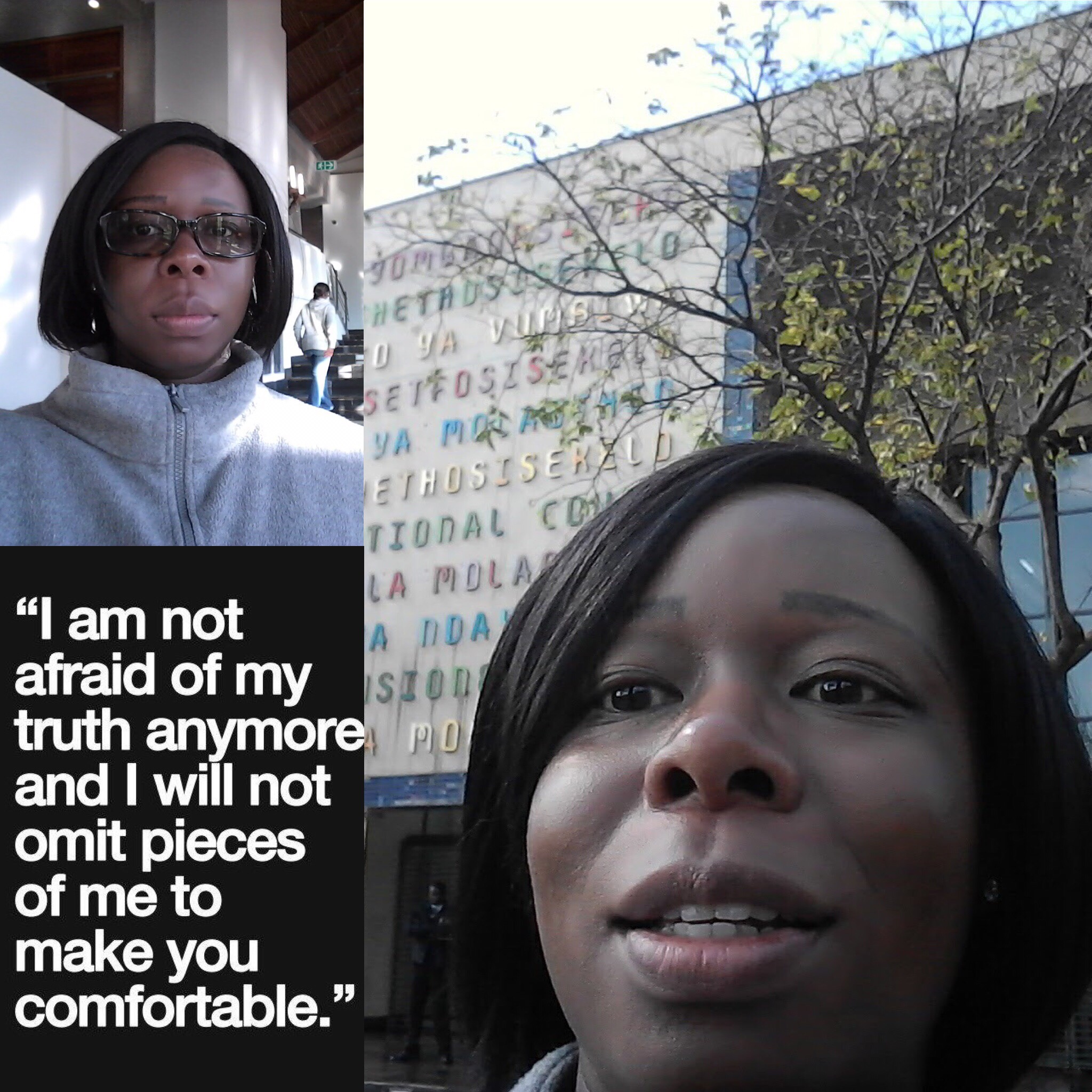
I am thrice blessed. I have a loving God and father in Heaven, who blessed with a loving father and mother on earth. Today is about my Dad. I am very much my father’s daughter. Not only do I resemble him, I also inherited his strong opinions, stubborn outspokenness, a love for reading and music and a four octave musical range.  Today I reflect on the lessons my father taught me both the spoken and unspoken. 

 My father is a retired magistrate, passionate about the law and Justice. I am equally so. So passionate was I, that I was crushed when I fell short of getting into the Bachelor of Laws programme at the University of Zimbabwe. Someone leaked one of two of our A-Level History exam papers and the students in the entire province had 25% deducted off our final marks, even though most of us never even saw that paper. So I ended up with a D in History, my favourite subject and lost the critical two points I needed to get into that competitive programme. In retrospect, that was the work of my Heavenly Father. With my inherited passion for justice and inability to be silent in the face of any form of unfairness, had I studied law, I would have been in the midst of the political turmoil of the late 1990s and 2000s and would most likely have either disappeared, in prison or dead in prison, which is the fate of most activists in the country where I was born.  Both have landed me on the wrong side of the establishment  in my professional life in the private sector corporate entities, where I have worked. But in the words of Proverbs, wisdom is always proved right by her actions. It is not always pleasant or comfortable to be right, but a key lesson that I leant from both my parents, was the importance of integrity, to stand up for what is right and to not back down even in the face of overwhelming opposition. 

Whenever things are difficult, I reflect on those times, on how my parents got through the difficult times and I remember the Bible verse that says , in all things God works for the good of those who love him who are called according to his purpose (Romans 8.28). My father eventually left the legal profession and civil service to join the private sector. He continued to stand up for those who were unjustly punished or dismissed by under company  policy. Eventually he left the private sector for good and he now preaches the Word of God, and compiles and translates hymns and texts for the Methodist Church. 

My father follows in his father’s footsteps. It took a long time for us to piece the history together, because of family history and politics. My paternal grandfather was an evangelist from the Seventh Day Adventist Church. He died when my father was very young. We were raised in the Wesleyan Methodist Church, which my grandmother and her family  attended and we still attend today. My parents and I are lay preachers in the church.  I see the goodness and the grace of God in our lives, despite the hard times, because of the faith of my grandparents on both sides. The Word says He shows love to a thousand generations of those who love him and keep his commandments. Exodus 20:6 To preach the word takes courage. It is not always easy or comfortable, because one must speak as directed by the Holy Spirit and the Word of God. 

Why do I tell this story? It took my father close to half a century to realise his purpose, based on his gifting to spread God’s Word through preaching, writing and singing. It has taken me only a decade less than him to accept mine, which is to teach, to heal and to bring hope. It took a lot of work with a personal coach to understand that we all have unique gifts for the benefit of others and our lives are richer and more fulfilling when we use those gifts and live according to our purpose. We do not serve the world by placing small. False modesty is a disservice to our fellow man and the equivalent of burying the talent of gold waiting for the master to return. 

So when I prepare a sermon, stand at the pulpit to preach, when I write and when I sing, I acknowledge the gifts of my ancestors and I acknowledge the power and inspiration that comes from my Creator. Above all I am grateful to the man that made it possible, my Dad. 
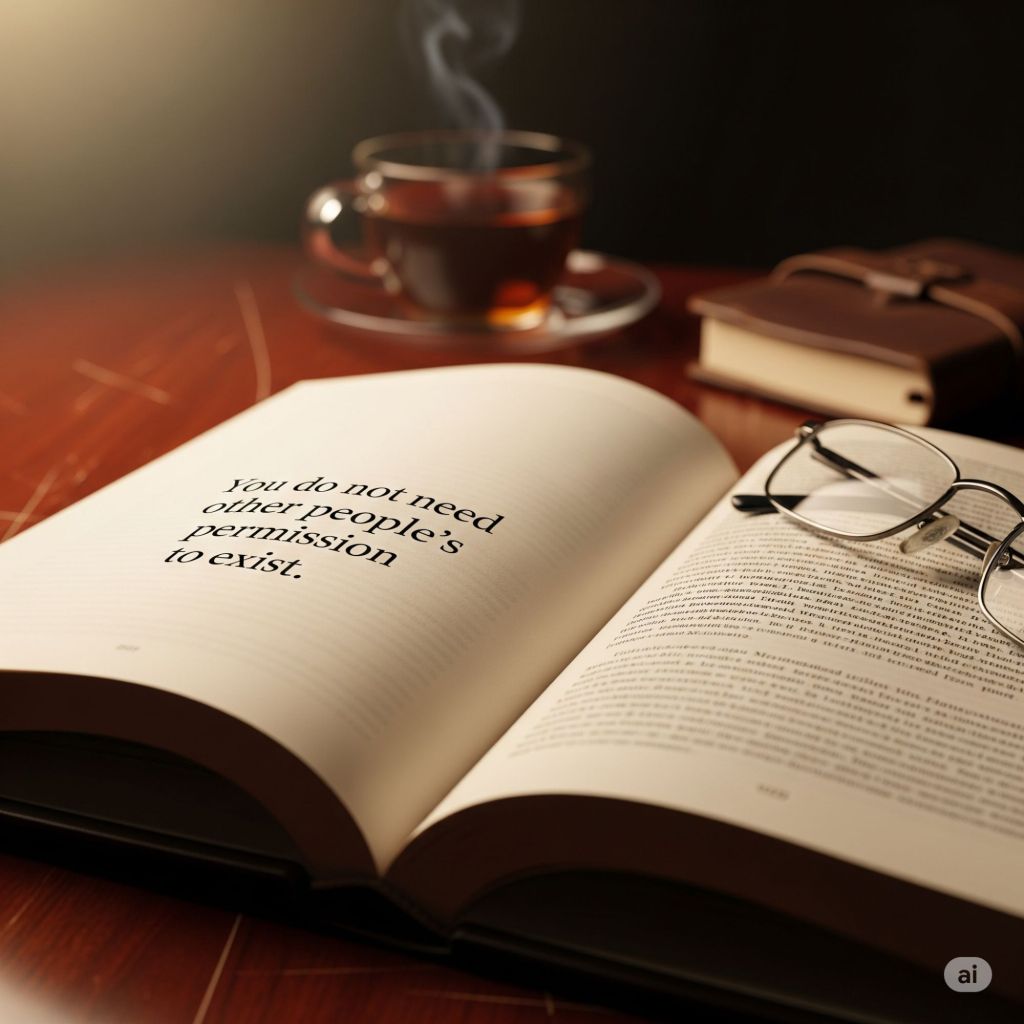
Unlocking Your Joy: The Power of Self-Love, Boundaries, and Letting Go of Validation (From Kigali with Love)

By Nomathemba Pearl Dzinotyiwei


From the vibrant energy of Kigali, where community spirit thrives, I’ve also come to appreciate the profound importance of individual strength and self-acceptance. It strikes me that while connection is vital, our truest sense of belonging begins within ourselves. Today, let’s explore the transformative power of self-love, the strength of setting boundaries, and the liberation that comes from no longer seeking external validation.

AI-Generated Image


How often do we find ourselves contorting to fit into someone else’s mould? We might dim our own light to avoid outshining others, silence our opinions to maintain harmony, or people-please to earn a fleeting sense of acceptance. We become chameleons, adapting to our surroundings, often at the expense of our own authentic selves.
But what if we told you that you don’t need permission to be exactly who you are? What if you could shed the heavy cloak of people-pleasing and step into the radiant truth of your being?


The Foundation: Cultivating Self-Love

It all starts with self-love. This isn’t about arrogance or vanity; it’s about treating yourself with the same kindness, compassion, and understanding you would offer a dear friend. It’s acknowledging your worth, celebrating your strengths, and accepting your imperfections as integral parts of what makes you uniquely you.
When you cultivate self-love, external validation loses its grip. You no longer need others to tell you that you are enough because you already know it deep within your soul. This inner knowing becomes your anchor, grounding you amidst the shifting tides of external opinions.


The Shield: Setting Healthy Boundaries

Self-love naturally leads to the establishment of healthy boundaries. Boundaries are not walls built out of fear; they are loving lines we draw to protect our energy, time, and emotional well-being. They communicate to others how we expect to be treated and what we are willing and unwilling to accept.
Saying “no” can feel daunting, especially when we’re accustomed to prioritizing the needs of others. But learning to set boundaries is an act of self-respect. It allows us to conserve our energy for what truly matters and prevents us from becoming resentful or burnt out from constantly overextending ourselves. In the warm spirit of community I’ve experienced here in Kigali, I’ve also witnessed the inherent respect that comes from clearly defined expectations.


The Freedom: Releasing the Need for Validation

The ultimate liberation comes when we release the need for external validation. When our self-worth isn’t dependent on the approval of others, we are free to make choices aligned with our own values and desires rather than constantly seeking applause.
Imagine the energy you’ll reclaim when you stop worrying about what everyone else thinks. Imagine the creative spark that ignites when you’re no longer afraid of judgment. Imagine the joy that blossoms when you pursue your passions without seeking permission.


Creating a Life of Joy, Peace, and Fulfillment
Freeing yourself from the burden of people-pleasing and playing small isn’t selfish; it’s self-preservation. It allows you to:

  • Embrace Your Authenticity: You can finally be your true self, without filters or pretenses, attracting genuine connections rather than superficial approval.
  • Pursue Your Passions: You’re no longer held back by fear of judgment or the need for external permission to follow your dreams.
  • Prioritize Your Well-being: You have the space and energy to nurture your physical, emotional, and mental health.
  • Build Meaningful Relationships: Your connections are based on genuine connection and mutual respect, not on a need to please or be liked.
  • Experience True Joy and Peace: Living in alignment with your authentic self brings a deep sense of contentment and inner peace that external validation can never provide.

From the bustling markets to the serene hills of Rwanda, I’ve learned that true strength lies in knowing and accepting yourself. You are inherently worthy, valuable, and deserving of a life filled with joy, peace, and fulfillment. You don’t need anyone else’s permission to exist fully and authentically. So, take a deep breath, embrace your unique brilliance, set your loving boundaries, and step into the beautiful, expansive life that awaits you. You are enough, just as you are.

Book Review: Nomaswazi by Busisekile Khumalo

The story begins with a recollection of a wedding. You would think they live the happily ever after. Instead find yourself on a high speed train ride that is the relationship between Nomaswazi and the man that left her at the altar. An innocent girl, she is crushed by the rejection and flees to Johannesburg.

One day she is minding her own business when he saunters casually back into her life and decides that he has no intention of leaving. She loves him, yet she hates him. He loves her, yet he feels undeserving of her after ditching her at the altar and trying to keep a lid on the demons of his past. He pulls out all the stops in his effort to get her back. The story will have you hooked, wondering what other curveballs the writer will throw and she has plenty. Busisekile’s imagination is unparalleled and her research is on point making the story so real.

With recollections of war, weapons smuggling, intrigue, hot erotic encounters as well as a fatal sibling rivalry, this story set mainly in rural eSwatini will keep you up late as you try to find out whether Nomaswazi and her man eventually make it down the aisle and get their happily ever after.

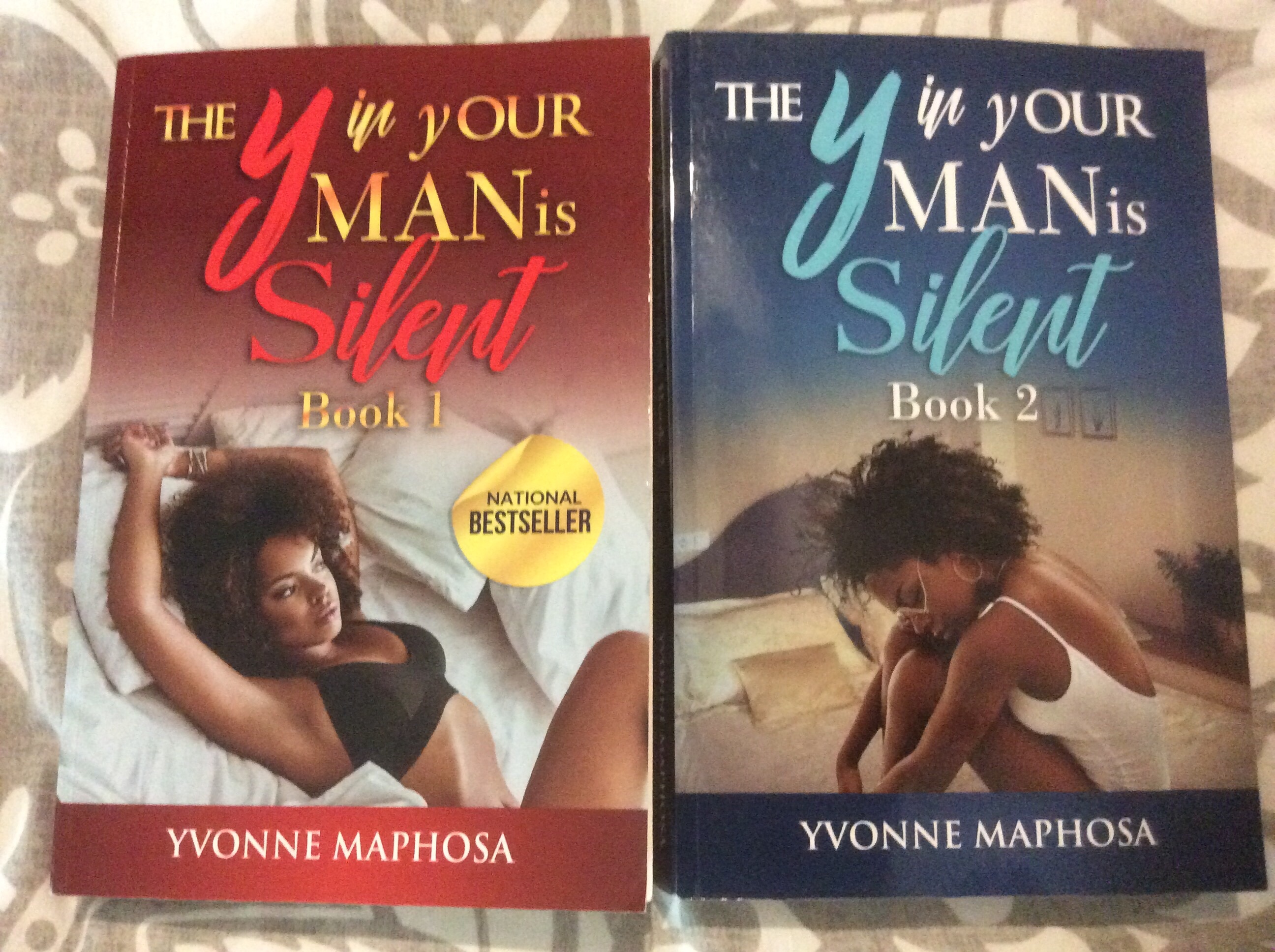
Book Review: The Y in Your Man is Silent Book 1; Book 2 by Yvonne Maphosa

By Nomathemba Pearl Dzinotyiwei

“He’s not your man, he’s OUR man.” That is the essence of the story in these two books. Whether she’s called the mistress, the side-chick or side dish, the other woman has many names in every language. This story is told from her point of view. An innocent, nerdy engineering student named Lastborn Fierce Nkomo from Zimbabwe falls for the charm of a handsome, dashing Ghanaian professor named Elikplim who’s a few years older than her. He’s a caring, sensitive man, a worthy contender in the Boyfriend Olympics, that is until he marries someone else. Despite that, the epic cross country love affair set in Cape Town and Johannesburg continues with Akon’s music as their soundtrack.

Just when you think you know what happens next, the author literally pulls the rug from under the feet of your mind and sends you tumbling as the couple lurch from one disaster to another, major and minor. Unlike most romantic dramas, in fact drama doesn’t even begin to describe it, the author unapologetically refuses to let them to catch a break. Rolling in money from his engineering practice with his best friend and partner in crime at every level called Lumka, Elik is the ultimate blesser. A generous man, not only with his money, he’s also extremely liberal with his umm… candy cane. There was so much cheating going on, even the players were getting played, I felt like I needed therapy after Book 1 and halfway through Book 2. I watched Star Wars then finished the story.

The story gives the other woman’s perspective of the extra-marital affair. Komla, the wife, favoured by the family, is not entirely innocent and makes a few fatal mistakes in her desperate quest to save her marriage. Betrayed repeatedly by Elik, physically and emotionally abused in turn by his wife, her sister and his other relatives; Fierce, named after a freedom fighter and true to her name, fights her wiser, more sensible self, her family, her friends and Elik’s wife and family to hold onto her love for him, repeatedly forgiving him and taking him back. She experiences a dramatic and cruel rejection by her own family, just as she is preparing to make things right by finally becoming an honest woman. The journey to redemption is equally arduous as the couple try to work out why and how their individual messes come together to create the hot mess that is their relationship.

With progressively steamy scenes as the story goes on, with break-up sex, make-up sex, revenge sex, theatrical break-ups and equally sudden make-ups, Fierce and her ‘Ghana Man’ as Fierce’s Aunt calls him, will take you on an emotional rollercoaster ride. The ending is no less dramatic. A third book is definitely in order otherwise the suspense will kill anyone who dares to read both books.

As a self-published work, there is a lot of artistic license, so there is phrasing that would cause the grammar and syntax Nazis to take umbrage. Otherwise it’s a gripping and unforgettable read which needs its own Netflix series. I hope the universe is listening.

Book Review: This Mournable Body by Tsitsi Dangarembga

By Nomathemba Pearl Dzinotyiwei

The novel is set in Zimbabwe in the 2000s. The economy is ruined and the populace are scrambling for what few opportunities are left for survival in the city. Smart office buildings in the city now house a motley assortment of small businesses providing different goods and services, whatever is in demand at the time. However bad things are in the city, they are worse in the village as few city dwellers can afford trips home or to send much-needed money and groceries. Yet with their generosity of spirit, people from the village send a share of their produce to help out family members in the city. Tambudzai Sigauke, the protagonist must use her wits to survive in the city. Degreed but unemployed like hundreds of thousands of others, she has to make her way in the unforgiving city environment, get a place to lay her head, feed herself and find her way back to the prosperity she feels entitled to, all without completely losing her mind.

If you ever lived in Harare any time after the year 2000, you can relate to this story. The looming possibility of descending into the ignorant bliss of lunacy is ever-present in a country where nothing makes sense. The narrowing range of choices and unspeakable deeds some people contemplate and others do in order to keep the wolf from the door are only things people in a post-conflict economy in a developing nation can understand. Zimbabwe may not have been at war with another nation, but the war by the state against its citizens continues unabated to this day.

This novel written in the second person, by the narrator taking a dispassionate look at Tambudzai and the choices she makes, that precipitate chaos within and around her. This is a novel that will need you to dig deep into the well of your English vocabulary and occasionally look up a few words. The expressions are an interesting, rendering of Shona to English, attempting to express the meaning without necessarily using direct translation. Being Zimbabwean, I easily recognise the stories, songs and the expressions that are particular to the Manyika dialect spoken in the Eastern region. This novel could easily be translated into Shona with no loss of depth meaning. Perhaps one day, there will be someone courageous enough to do that for all three of the novels in the trilogy. Our languages carry an entire knowledge system, which if we don’t preserve them, will completely disappear.

The story is a haunting testament to the women of our country who stand strong despite violence, abuse, poverty and deprivation but soldier on and triumph over circumstances that have broken people with a less robust mental constitution. The men are there, but not there, battling demons of their own, powerless over the circumstances that reduce them and sadly taking out that frustration on the women. Thank you Tsitsi for telling the story of our mothers, our sisters, the story of the women that endure to birth the future. May that future be a better one.

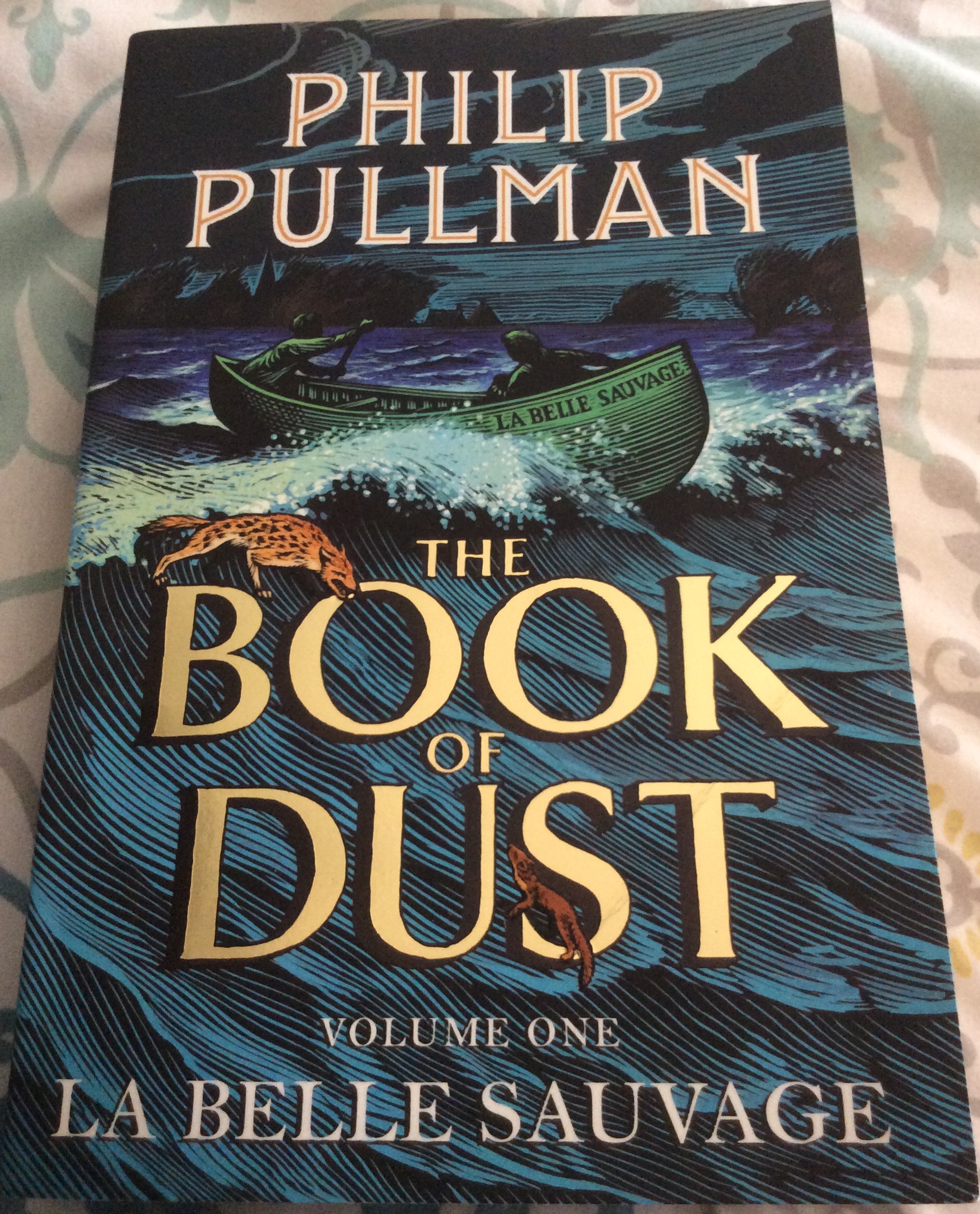
Book Review: The Book of Dust by Philip Pullman

By Nomathemba Pearl Dzinotyiwei

A few years there was a movie called the Golden Compass, based on the work of Philip Pullman about a young girl called Lyra who owned and could read a strange instrument. She was the subject of a prophecy like Harry Potter, and this made her a person of great interest to the religious, occult and scientific communities. The climax of the movie is when she frees a great polar bear and helps him regain his magic armor which makes him invincible in the war. If you enjoyed the movie, you’ll want to read this book.
The Book of Dust, his latest work, is the first of a trilogy published in 2017 is the prequel to Lyra’s story. It tells of the inauspicious circumstances of her birth, to the beautiful, yet terrifying Mrs. Coulter and the intrepid adventurer and scientist Lord Asriel. The two were in an adulterous love affair which resulted in the fatal shooting of Mr. Coulter by Lord Asriel in a fight. Lyra is born soon after. Mrs Coulter doesn’t have a maternal bone in her body and Lord Asriel is regarded as an unfit parent. As a result the baby Lyra is taken into sanctuary by the nuns at the priory in Godstow, a small village on the banks of the River Thames. There, she forms a bond with Malcolm, the innkeeper’s son who helps the nuns on a regular basis.

The story is told from young Malcolm’s point of view. An intelligent and curious child of uncommon kindness, decency and courage, Malcolm emerges as the hero, when the forces of nature, religion and the state threaten the baby Lyra’s life. After many misadventures and gaining an unlikely ally, Malcolm and his trusty canoe called La Belle Sauvage find themselves embroiled in a web of espionage as they battle the elements, a demented ex-convict and religious fundamentalists in an effort to get Lyra to an alternative place of safety.

This is a gripping tale where the worlds of magic, reality, religion and science collide in the battle for the hearts and minds of humanity. Philip Pullman takes us back to where it all began. The cliffhanger ending is sure to make you want to read the next work of this trilogy.

No Rules – Available on Amazon

This is a cross-cultural love story of two millennials set in Johannesburg, South Africa. It is available on Amazon under Women’s Fiction. To read a sample and purchase, go to https://www.amazon.com/kindle/dp/B071NY9YXC/ref=rdr_kindle_ext_eos_detail

You can check out my other posts on this blog and visit my FaceBook Page at https://www.facebook.com/lamourafricaine/

This is my first self-published novel, under the my nom de plume Pearl Deyi. Deyi is one of the family names of our clan, oManzini aba kwaZungu and also has letters from my surname.

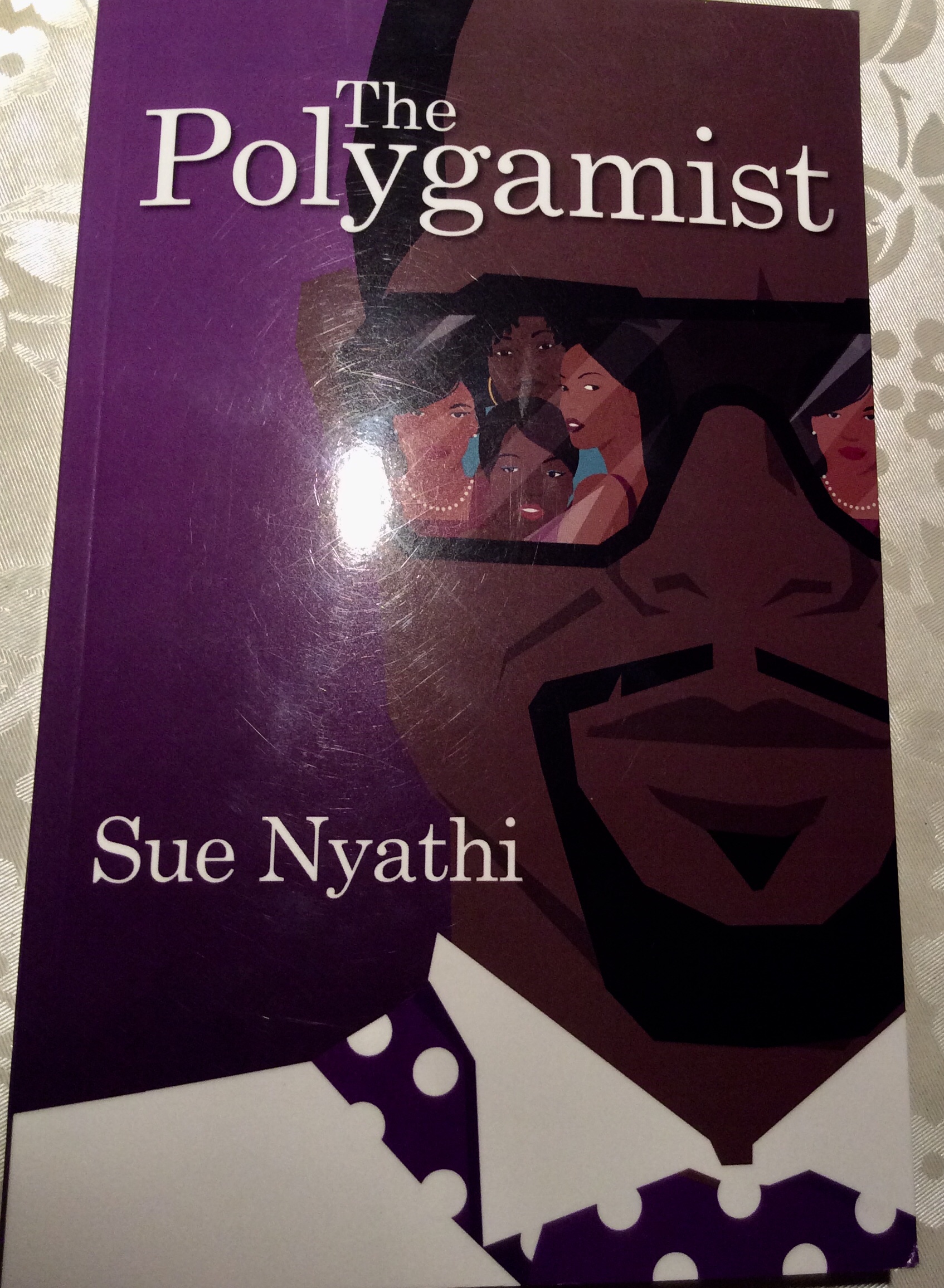
Book Review: The Polygamist by Sue Nyathi

By Nomathemba Pearl Dzinotyiwei

Heh leh Jonasi

Heh yeh Jonasi

Loving you has taught me

To never let go of a good thing

Loving you has taught me never to lie

I hate telling a lie…

This is the beginning of Stimela’s hit song I Hate Telling A Lie with Ray Phiri as lead vocalist and on lead guitar. This song played in my head when I started reading The Polygamist, Sue Nyathi’s debut novel, centered around a rich powerful man named Jonasi. However the protagonist is nothing like the serenading lover portrayed in the song. Jonasi in the novel, lies without compunction and never stops, lying even to himself.

The story begins with the account of Jonasi’s funeral with all the women in his life gathered to bid him farewell. Jonasi in death is far from the handsome virile lover, husband and father they experienced in life. Set in Harare, Zimbabwe, the city that never sleeps, there is a grim contrast in the lives of the have-nots living in the township and the fabulously well-heeled living in the Northern suburbs. Then as the economy tanks, even the wealthy feel the pinch as everyone tries to make a living, hustling in whatever way they know how.

The story is told from the point of view of each of the women as they experience the sorrows and fleeting joys of loving a selfish man who never really belongs to any of them. In his own words, he loves each of them for very different reasons. Each of the women’s stories is different. What motivated them to get into this relationship, to stay or in some cases to leave, albeit in different ways?

The children react in different ways as each child’s dream of the perfect family is shattered by the drama in the making, unmaking and remaking of the relationships between their father and each of their mothers. The extended family have their own view of the situation and treat it with delicacy to avoid upsetting Jonasi and losing out on the benefits

The novel is a gripping read. Sue has a wicked sense of humour and the ability to get you to laugh at what are dire situations in the book. There are such gems as ‘ my wife had more game than a soccer team’ and when the youngest of the women describes the older men she slept with saying: ‘ Their asses are so wrinkled sometimes I have to ask myself if it’s flesh I’m holding onto or a mohair throw.’ If you want to see more gems, follow her on @SueNyathi on Twitter.

The Polygamist takes a brutally honest look at marriages and love affairs. It is an unforgettable read that will make you rethink relationships and people’s motivations for entering and staying in them.

Book Review: Ghana Must Go by Taiye Selasi

By Nomathemba Pearl Dzinotyiwei

The totally unexpected beginning of this story had me thinking ‘Who starts a novel like that?’ The closest to come to that would be how Margaret Atwood, in an ad for an online masterclass, when she says she would have rewritten the beginning of Little Red Riding Hood to say: ‘It was dark inside the wolf.’ Taiye Selasi’s technique kept me riveted for the next 318 pages.

The story draws you in to the chronicles of three generations of a family. Starting with an interracial marriage between Maud a Scotswoman and John Nwaneri, in Nigeria, their daughter Somayina, who dies young leaving her husband Olukayode Savage and their young daughter Folasade. After the tragic death of her father in an outbreak of violence in the Muslim North, Folasade emigrates to the United States of America, where she meets Kweku, a Ghanaian medical student. They get married and raise a family: Olu, who follows in his father’s’ footsteps, the twins: Taiwo, a girl and Kehinde a boy, who share that sacred bond and then Folasade, nicknamed Sadie, the last-born daughter who nearly didn’t make it.

The family’s American Dream, however, morphs into a nightmare when he fails to save the life of a millionaire’s mother, who happens to be a benefactor of the hospital. To appease the family, the hospital unjustly fires the good doctor, one of their finest surgeons and thus begins the family’s downward spiral into tragedy.

The novel, much like a movie, pans, zooms in and fades out, with flashbacks into the family’s lives as they deal with the disappearance and attempted reappearance of the husband and father from their lives after he loses his job. Folasade calls on her native Nigerian hustling instincts to pick up the pieces and keep going. Each child is affected differently and finds their own way of dealing with the separation of their parents and the impact of the decisions their mother had to make to support them.

The family reunites in Ghana many years later to bury Kweku, now a successful surgeon in a local hospital. He has remarried and built his dream home with an achingly beautiful garden, planted and tended by a geriatric yogi called Mr Lamptey, the eccentric carpenter who built the house. They all react differently on arrival in this country. It’s home, yet not home, this strange land that their father came from.

In the run-up to the funeral, the children get to know their father’s family, come to understand their father better and what drove him. They each find their own connection to this place, to begin to understand and resolve some of their personal issues, including the retelling of painful and deeply-buried secrets. In this land they begin to understand their gifts and find their place in the world. This unfolding of events gives credence to the belief that only when you know where you come from, will you know where you’re going. It partly explains Africans’ obsession with ‘going home’, especially for immigrants and their children born on foreign soil.

The most poignant part of the story is how Folasade, having moved back to Africa, mourns her estranged husband and makes peace with his new wife Ama. In one of those stories of female solidarity that is so often not told, the two women, understanding they have both lost him, mourn him together and support each other.

Ghana Must Go, makes reference to the xenophobic sentiment in Nigeria which led to the mass expulsion of Ghanaians living in the country. It is a story of personal struggle and sacrifice against the backdrop of war, poverty and making a life in a foreign land. It reveals the beauty and cruelty that comes with being part of a family as well as a personal search for belonging and a spiritual place of rest. It is an altogether unforgettable read.

A Black Girl’s Song

By Nomathemba Pearl Dzinotyiwei

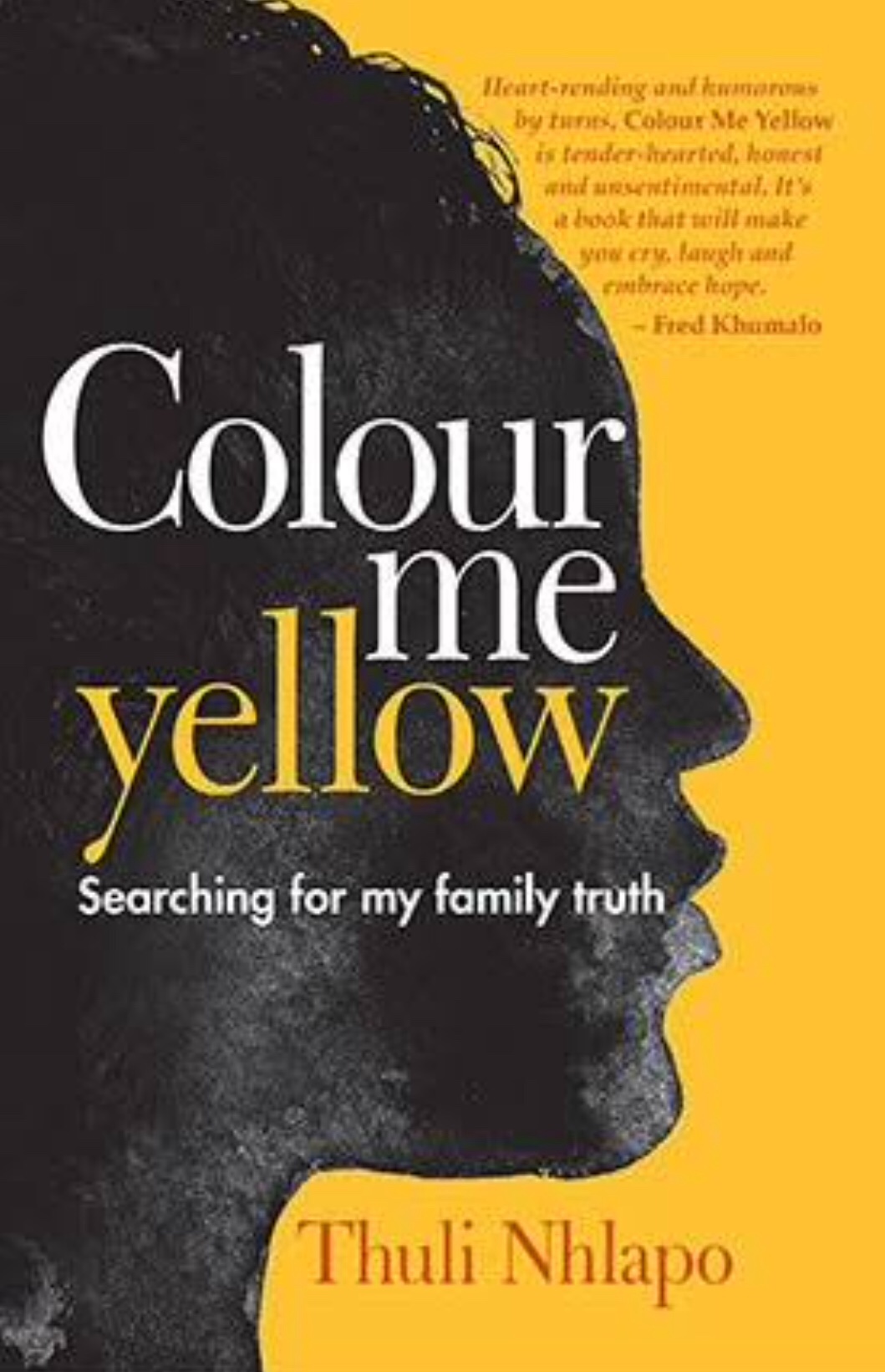
Colour Me Yellow: Searching For My Family Truth, the autobiography by Thuli Nhlapo is a compelling read. For me, an autobiography is someone else’s story. Thuli’s book is more than that. It touched me deeply because it is as much my story as it is that of many other people. The themes of Thuli’s story resonates with the story of my own family: of family secrets; the pain of being an outsider; of being different; the liberation of discovery and the realization that you have always known deep down, that which everyone around you is determined to deny. The issue of her complexion dominates the story, a reverse form of the colourism that we experience today, which glorifies light skin as a form of proximity to whiteness. There’s also the refusal by her family to acknowledge the distant past, which causes a painful prolonged and unnecessary struggle for her to integrate her intense spiritual gifts into her life.

This is a story of an African family, like many others, that keep a secret to keep them together. For the secret is like the one ring that binds them all* . It keeps the family whole, forcing everyone to maintain the façade of normalcy. What is a ‘normal’ family? Well for a start, a family must have a head. A father. The biological relationship is not a prerequisite, however, that masculine presence and influence is considered to be essential. In a generation where it was inconceivable for a woman to be independent, or to be alone by choice, a woman had to keep a man in her life, at all costs, at no matter how badly he behaved. The secret binds her to him.

Thuli’s mother is strong, yet weak, vulnerable yet invincible, at the same time. This contradiction in character is a necessity. An African mother is not only the neck that must support the head; she is the spine, the back and broad shoulders that must bear the burdens of raising a family; and take the lead in keeping that family’s place in the community. So she must be feminine and flexible enough to accept the patriarchal dictates of the husband and father of the house, yet in his absence: physically, emotionally and financially, she must be strong enough to fend for herself and her children. He like many men, comes strolling in and out of her life at his own convenience, imposing his own opinion of what should happen, regardless of the fact that he is not there to stay. It makes me exceedingly angry: that a man always has a choice and can escape responsibility without facing any consequences; while a woman is stuck with dealing with the effects of his choices for the rest of her life.

It is easy to judge Thuli’s mother for her failings and inadequacies, but as Maya Angelou put it, she did what she knew best, at that time. I believe as a mother herself, Thuli is able to write her mother’s part in the story with tenderness and compassion that comes with wisdom and the understanding that as a parent you don’t have all the answers. The story has excruciating painful episodes of abuse and cruelty that make you want to weep and hold the child that was her. Yet there are moments of tenderness, hope and joy that have you cheering for her, and for those people that, as Tyler Perry puts it, are the points of light in her life . I especially love her portrayal of rural Swati people, their simplicity, peaceful attitude and joy, something many people from more militant and aggressive societies would not understand.

You come to understand why her life turned out in the manner that it did: with her choices and the reactions of the people in her life. There are moments of divine intervention when she receives help at a time when she needs it most. She gets an education, attains professional success and acquires the car, the townhouse and the trappings of the Johannesburg yuppie lifestyle. Finally there is the journey that leads her to the truth, the unfolding of and her acceptance of who she is. It is a story much like the clumsy emergence of a butterfly from its cocoon, a painful but necessary process for it to strengthen its wings so it can fly.

Ntozake Shange, in her choreopoem For Colored Girls Who Have Considered Suicide When The Rainbow is Enuf writes:

‘Somebody/anybody

sing a black girl’s song

bring her out

to know herself

to know you

but sing her rhythms

carin/ struggle/ hard times

sing her song of life

she’s been dead so long

closed in silence so long

she doesn’t know the sound

of her own voice

her infinite beauty’

For herself, her mother, our mothers and all the women in her family and other families caught in the matrix of African traditionalist patriarchy and toxic family secrecy, Thuli Nhlapo has done just that. She has sung our song.

* A line of dialogue from Lord Of The Rings, a film adaptation of The Hobbit by J.R.R. Tolkien.