By Nomathemba Pearl Dzinotyiwei

The Zulu people are the largest ethnic group in South Africa, found mainly in the south-east in KwaZulu Natal. KwaZulu means the place of the Zulus. In Zulu cosmology the Creator (UMdali/uMenzi) has 7 aspects or messengers known by some as gods because they had greater power and consciousness than human beings. The number 7 is a sacred symbol of divine fullness. Each Of these divine messengers had a divinely ordained function.
The Orishas are the deities in the Yoruba spiritual tradition known as Ifa. The Yoruba people are from the south and west of Nigeria. The Orishas are aspects of the Supreme Being or the Creator given charge over different aspects of life. There are many Orishas however there are seven that are most popular and known as the Seven African Powers.
There are interesting parallels between the spiritual beliefs of Zulu and Yoruba people. Primarily these are centred around a single Supreme Being, the Creator. The Creator expresses his character through different cosmic energies that are personified as deities or gods. Human beings are made in the image of the Creator in terms of spirit so they carry the same energies within them. For the ease of human understanding human social constructs such as the family are used to teach complex cosmic concepts and stories are used to convey the wisdom in a way that can be readily understood, memorized and passed on from generation to generation.
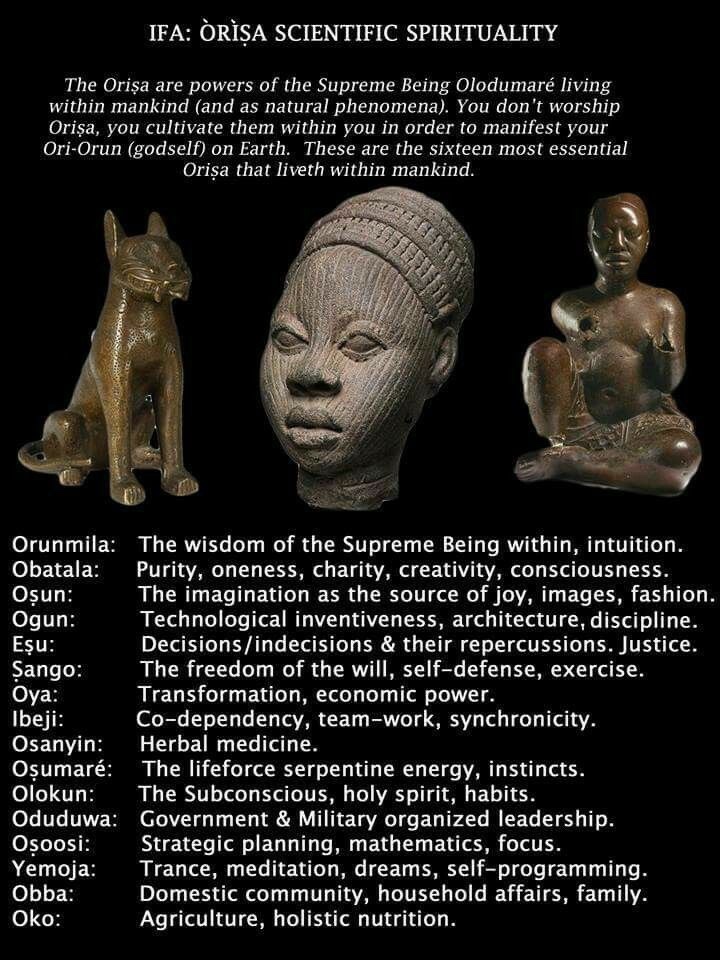
UMvelinqangi is the chief of the messengers. He connects people to all the other messengers. He is responsible for balance and centrality. He is the one known as Modimo wa Badimo, in SeTswana, the greatest of all the spirits. He has similarities to Obatala in the Yoruba spiritual tradition.
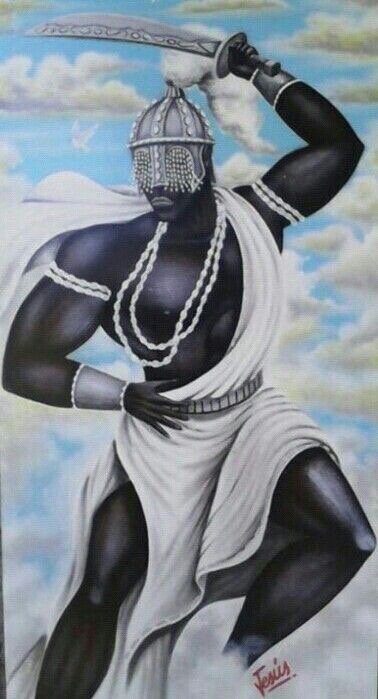
Ma, is the Universal Mother, Credo Mutwa, the famous Zulu Shaman called her Ninavanhu Ma. She gave birth to the first humans. She is a caregiver and nurturer. She gave the original blueprint of motherhood and embodies that powerful cosmic energy. There are similarities to Yemaya in the Yoruba tradition.

Sodumo is responsible for the destinies of human beings. He connects the living and the dead. From him, each soul is given it’s assignment on earth to grow in consciousness through various experiences chosen by the individual before they are conceived. There are similarities to Orunmila.

Nomkhubulwane governs the phenomenon of rain and rainbows. Ancient priestesses prayed to her for rain. The original shapeshifter, she adopts the form of any animal. She sounds similar to Oya, the Orisha of weather & storms whose symbol is the rainbow.
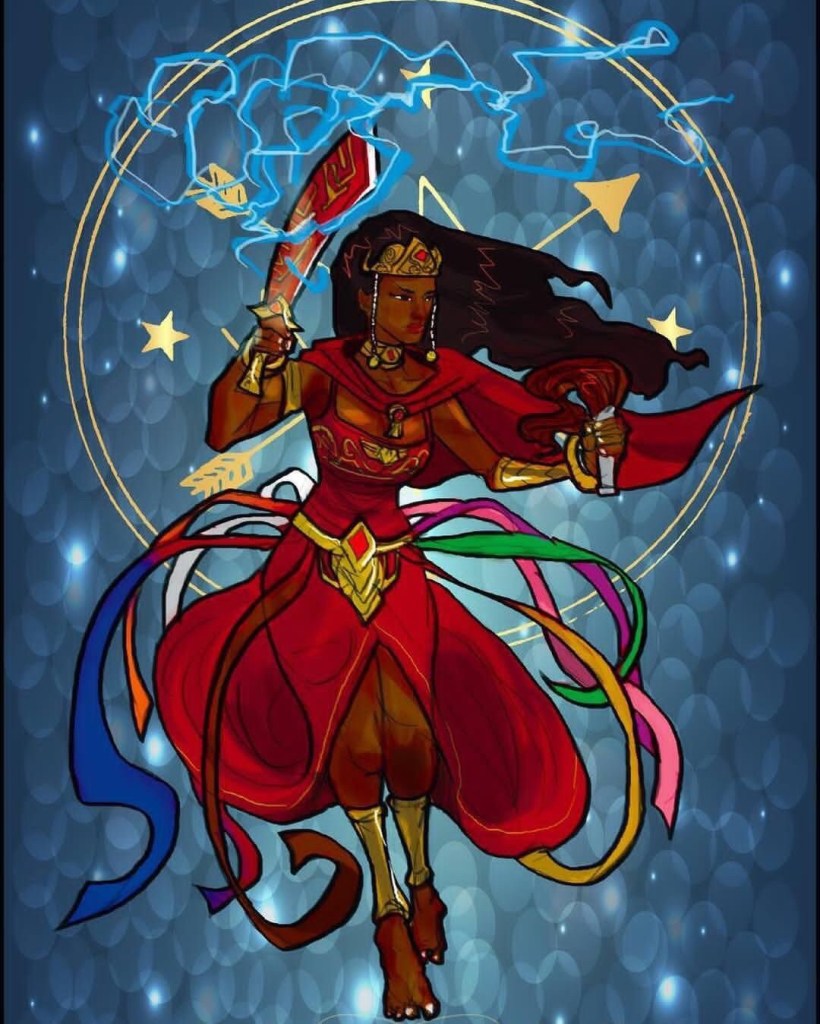
Somandla embodies the cosmic energy of vitality and power and gives humans the power to achieve anything. African Christians pray to USomandla for strength and capability as he represents the Omnipotence of God the Creator. His colour is red. He shares similarities with Ogun.
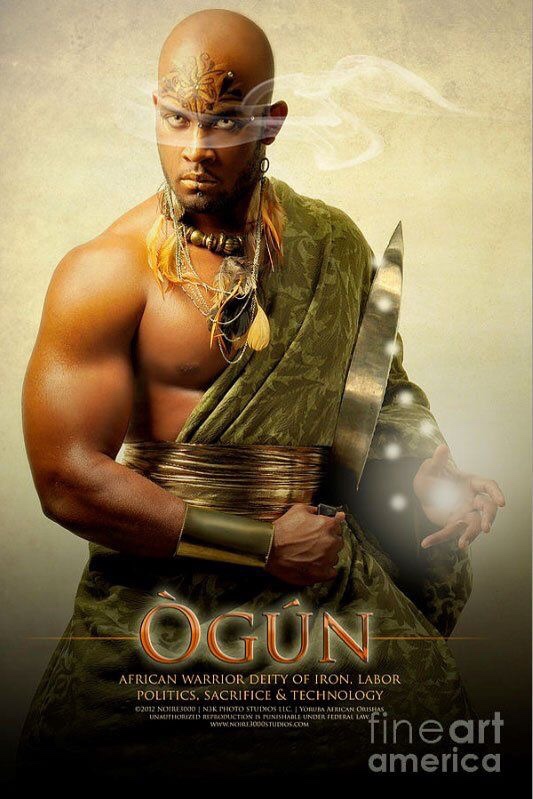
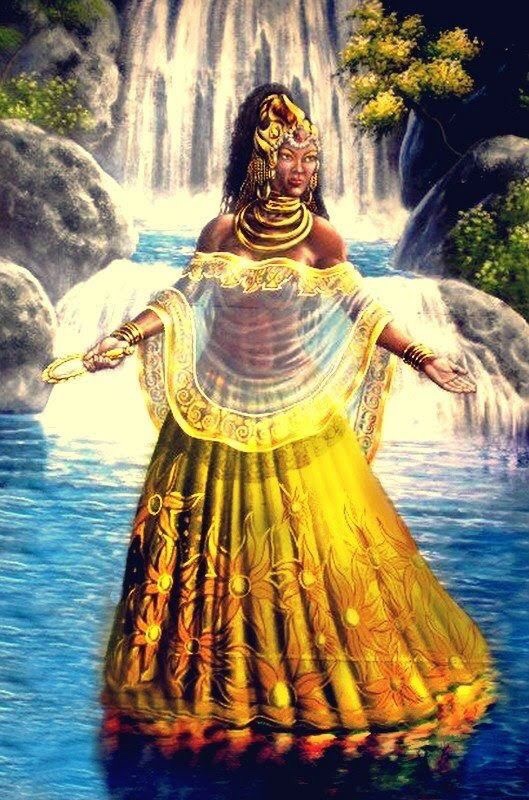
Nomhoyi embodies the energies of sensuality & fertility. She is associated with rivers. She brings spiritual cleansing & consciousness which comes with baptism. She brings peace and protection. She shares similarities with Oshun, the Orisha of fertility beauty and love.
Mlenzemunye, (means the one-legged one ) embodies the cosmic energies of courage, protection, & change. He protects people from harm. His Ifa counterpart is Osanyin, also🦵 who is in charge of healing & magic associated with diviners & herbalists.

The number 7 has significance in numerology, sacred geometry and many other spiritual traditions including Christianity. Isaiah chapter 11 tells of the 7 spirits of the Lord. Revelation tells of the 7 eyes of God which symbolizes the 7 spirits of the Lord. This is why the Jewish menorah or lamp stand has 7 lights or candles.
Christianity found resonance with African people because the Christian God was in many respects similar to the Creator revered by Africans for millennia. Human beings may be divided by religion, language, culture and tradition but are united in the Spirit.
 PrincessPearlManzini