By Nomathemba Pearl Dzinotyiwei

Lately, I have been urged to revisit my understanding of spirituality—a concept rich in diversity yet universally inherent in our existence. In our journey towards self-discovery and enrichment, recognizing the interplay between spiritual gifts, mission, and life purpose is vital. This article explores how these elements relate to one another and how they manifest uniquely in each person’s life.
Spirituality: A Universal Concept
Many people perceive spirituality as a product of specific cultures. Still, at its core, spirituality transcends cultural boundaries; it is universal. We are all divine beings, blessed with unique gifts that empower us to undertake the missions we sign up for in our earthly existence. Each gift serves a specific purpose in accomplishing our assigned tasks. For instance, a person with the gift of empathy may find their calling in healing others through compassion, while someone else may possess artistic talents that allow them to inspire joy through creativity.
Discerning Between Life Purpose and Mission
It is crucial to understand that life purpose is not synonymous with mission. As a light worker, my mission involves teaching, healing, and bringing hope to those around me. However, my life purpose encompasses more than my mission; it includes my roles as a wife, mother, and member of my community—elements that contribute to my soul’s evolution beyond my professional obligations. By embracing these diverse roles, I am continuing my spiritual growth, which complements my mission.
The Pressure of Finding Your Life Purpose
The concept of life purpose can often impose pressure on individuals. It becomes idealistic and overwhelming when labeled as an ultimate goal to achieve. However, it’s essential to realize that every situation presents opportunities to fulfill your mission. For example, at work, I may teach and heal by providing a listening ear, allowing others to share their pain and find closure. In such moments, the mission is accomplished, emphasizing that our contributions can be significant irrespective of the setting.
Unique Execution of Missions
How we carry out our missions is shaped by our individual gifts and circumstances. Not everyone can commit to a full-time role as a healer due to family responsibilities or other engagements. Some may express their gifts in different capacities, which is valid and necessary. Understanding this individuality enhances our collective experience and ensures that each person contributes to the world in their authentic way.
The Role of Culture in Spirituality
Culture is a human construct intended to foster belonging and connection among people. While divergent in practice, all spiritual traditions share common threads, primarily the use of music in worship. Sound’s vibration embodies the universal language, facilitating our connection to the divine. Elements such as clapping, drumming, dancing, and melody serve as integral expressions of faith across various cultures and religions.
The Power of Music in Spiritual Expression
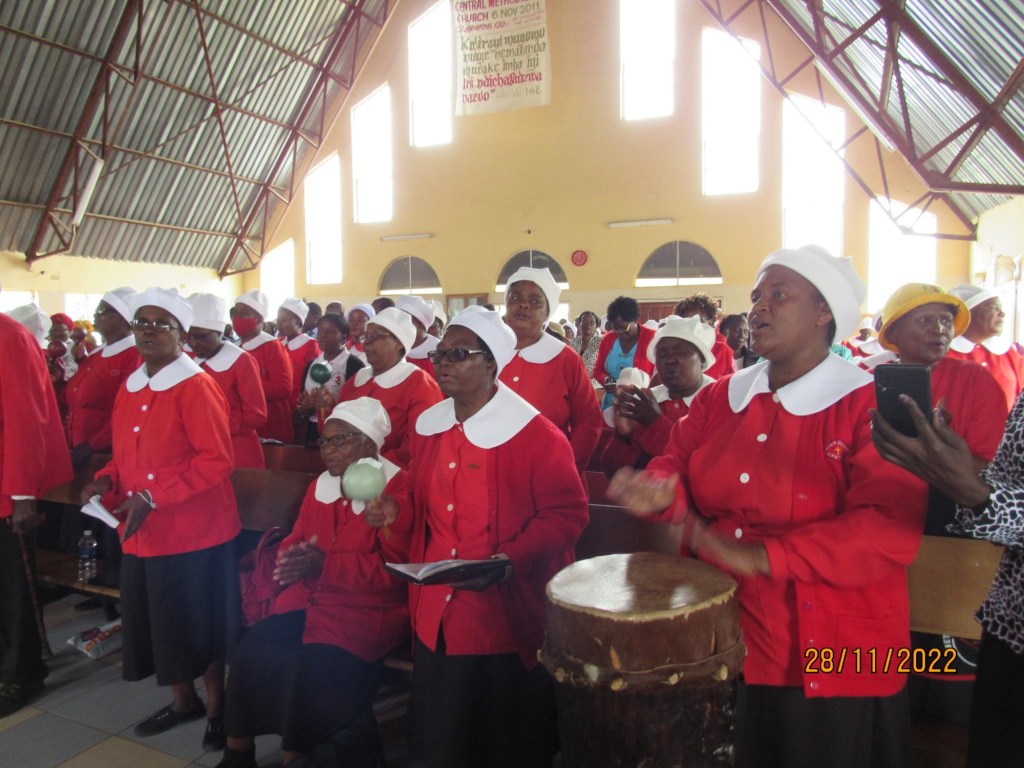
Musicians, starseeds, light workers, healers, seers, prophets—essentially, all individuals engaged in spiritual practices—can be viewed as children of song – abantwana bengoma in Nguni languages. Our relationship with nature, the universe, spirits, deities, and the divine is frequently mediated through music, transcending language and cultural constructs. Thus, it becomes clear that regardless of the spirits we engage with or the traditions we uphold, music and sound play a pivotal role in our spiritual journeys.
Embracing Cultural Diversity in Spiritual Practices
Finally, it is critical that we stop boxing and labeling our cultural expressions of spirituality. Imposing our limited perspectives on how spirituality should be practiced holds back our collective growth. Instead, we should embrace and learn from diverse spiritual practices and cultural expressions. By exploring paths outside our traditional norms, we expand our horizons and promote personal growth, leading to a richer understanding of spirituality.
Conclusion
In conclusion, recognizing the relationship between spiritual gifts, mission, and purpose is essential to our individual and collective evolution as spiritual beings. By understanding that spirituality is universal, life purpose extends beyond our mission, and cultural diversity enriches our experiences, we foster a more inclusive and vibrant spiritual landscape. Let us celebrate our gifts and missions while remaining open to new expressions and insights, allowing ourselves the freedom to evolve and grow together.
 PrincessPearlManzini