In the grand symphony of human flaws, the seven deadly sins resonate as discordant notes, each leading us astray from harmony and grace. Among them, pride stands as the most ancient and insidious, the original transgression that birthed a cascade of others. It’s a sin of cosmic proportions, a rebellion etched not just in sacred texts, but for some, even in the celestial movements above.
The tragic genesis of pride’s destructive power finds its roots in Lucifer, the once-most radiant and beautiful of angels. His unparalleled brilliance, however, became the fertile ground for an inflated sense of self-worth. He began to believe himself not merely magnificent, but equal to, if not superior to, God. This monumental arrogance propelled him to defy the Divine order, to sow discord among the heavenly hosts, and ultimately, to his cataclysmic fall from grace, dragging a third of the angels down with him.
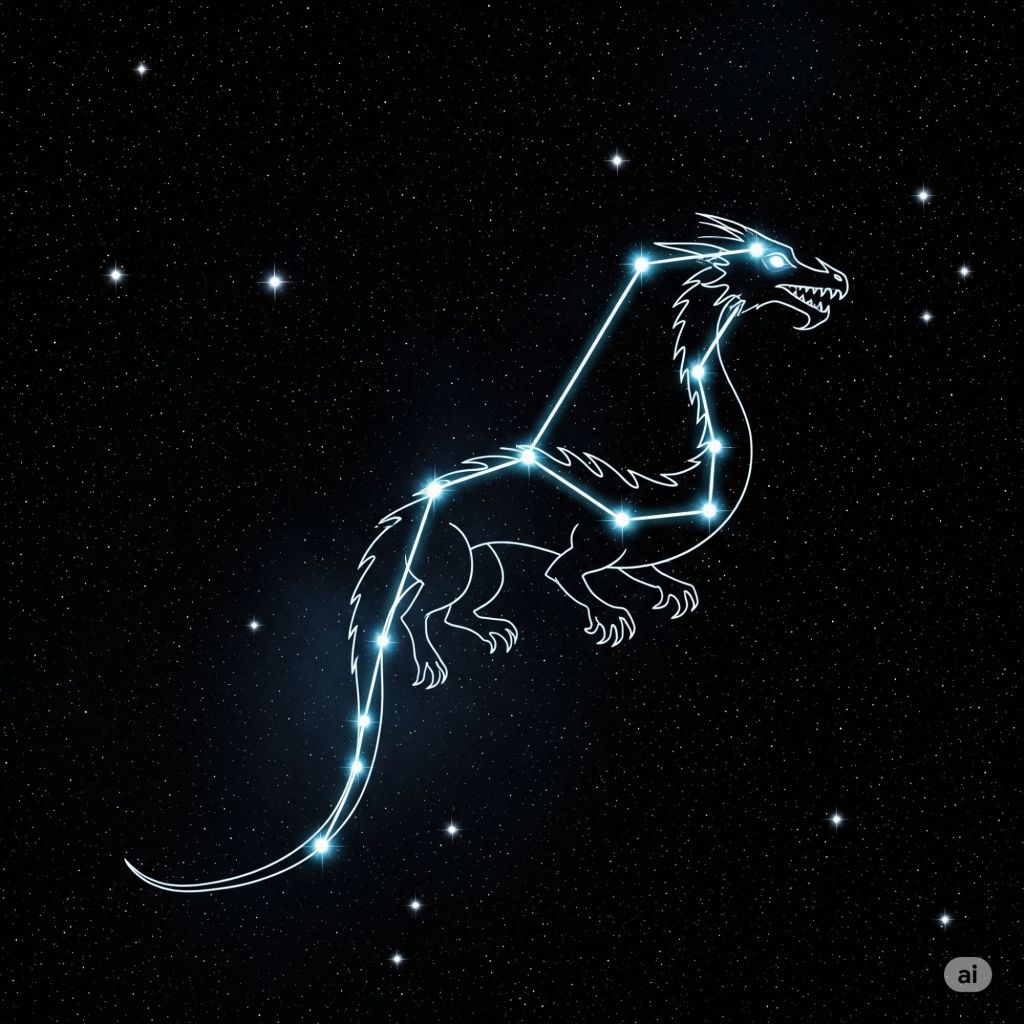
For centuries, some have seen this celestial drama mirrored in the very constellations. Draco, the dragon, a serpentine constellation that winds through the northern sky, is believed by some to symbolize the fall of Lucifer. The shifting position of this constellation over vast spans of time, to these interpretations, serves as a silent, stellar narrative of the once-exalted being transformed into the fallen dragon, a powerful reminder of pride’s ultimate consequence. Whether a literal reading or a profound symbolic echo, the celestial story underscores the catastrophic results of unchecked ego.
The ancient axiom holds an enduring truth: “Pride goes before a fall.” This isn’t just a quaint proverb; it’s a fundamental law of existence, both human and, it seems, spiritual. A swollen ego acts as a powerful blindfold, leading to profound delusion and self-deception. When we become consumed by our own perceived importance, we sever our connection with reality. We overestimate our abilities, convincing ourselves of our invincibility or infallibility.
This inflated self-perception inevitably compels us to take bigger risks, often without any genuine assessment or foresight. We become convinced that the rules and consequences that apply to others somehow exempt us. Furthermore, pride frequently manifests in our interactions with those around us. A heart consumed by self-importance tends to ill-treat other people, viewing them as mere subordinates or stepping stones to our own aggrandizement. Empathy withers, and the very concept of humility becomes utterly alien.
In this self-exalted state, we unwittingly plant the seeds of our own destruction. By alienating colleagues, friends, and family, by making reckless decisions fueled by hubris, and by stubbornly refusing to learn from our inevitable missteps, we set ourselves on a trajectory toward a painful reckoning. The higher we climb on the perilous ladder of our own self-importance, the more devastating the inevitable descent will be. Indeed, the bigger they are, the harder they fall.
A Season of Ma’at: Justice and Restoration
And now, in this current season, we find ourselves in a time often spoken of as the era of Ma’at – the ancient Kemetic concept embodying justice, order, balance, and truth. This is a period where the scales are being recalibrated, and a profound reckoning is upon us. Those who have wielded power and authority not with humility and service, but with arrogance and abuse, will find their positions untenable.

Just as Lucifer faced his judgment, so too will individuals and institutions that have allowed pride to corrupt their actions. People are being called to face justice and order and balance is being restored. This means that positions of power and authority will be lost by those who abuse them. The delusion fueled by pride is shattering, revealing the true nature of character. The self-deception that allowed individuals to believe they were above accountability is dissolving under the intense light of truth.
Pride blinds us to our vulnerabilities and to the intricate web of interdependence that sustains us all. It fosters isolation and prevents us from seeking wise counsel, accepting constructive feedback, or acknowledging our fundamental need for grace, both divine and human. To truly combat this deadly sin, we must consciously cultivate its powerful antithesis: humility. Recognizing our genuine limitations, acknowledging our profound dependence on a power greater than ourselves, and treating every individual with inherent respect and empathy are crucial steps in navigating life without succumbing to the serpent’s pride that led to the first and greatest fall.
Let the ancient tale in the stars, the winding path of Draco, serve as a timeless reminder that even the most brilliant lights can be extinguished by the darkness of pride. And in this season of Ma’at, let us embrace the call for balance and justice, choosing instead the path of humility – a path that leads not to a precipitous fall, but to genuine growth, authentic connection, and a lasting, balanced fulfillment.
 PrincessPearlManzini