Crystals have been cherished for millennia, not only for their beauty but also for their believed metaphysical properties. Each gemstone is thought to resonate with specific energies, aligning with various chakras in the body to promote balance and healing.
I have always been drawn to crystals, starting as a child when I would collect interesting-looking rocks and pebbles of different colours. As an adult I began to work with crystals to enhance my spiritual practice. This includes wearing them in a crystal cage around my neck or wearing crystal bead bracelets or necklaces.
Crystals carry ancient earth energy and work with the body’s electromagnetic field or aura to recharge and balance the energy. This helps with emotional and physical conditions as these often manifest as a result of energy imbalances or blockages.
I find crystals to be very useful as an empath to prevent absorbing other people’s emotions and energy especially when leaving the house. At the beginning of my journey, before I started doing energy work and learned to control my energy, I was often overwhelmed by negative energy from other people, especially in crowded places and I would feel drained and exhausted when I arrived home.
We explore several notable crystals below and their associated benefits:
1. Lava Stone
Original Image
Known for its grounding qualities, lava stone is believed to provide strength and courage. Often incorporated into chakra bracelets, it is associated with the root chakra, helping to alleviate anxiety and fear by fostering a connection to the earth.
2. Hematite
Original Image
Hematite is reputed for its grounding and protective properties. It is said to enhance practicality and courage, working with the root chakra to instill a sense of stability and security.
3. Tiger’s Eye
Original Image
Tiger’s Eye is associated with protection and personal empowerment. It is believed to boost self-confidence, determination, and clarity of vision. This stone, along with other yellow crystals like citrine, is linked to the solar plexus chakra, enhancing one’s ability to take decisive action and attract prosperity.
4. Malachite
Original Image
Malachite is considered a stone of transformation and manifestation. It is thought to encourage change and self-empowerment. Working with the heart chakra, malachite aims to heal emotional traumas and strengthen one’s resolve.
5. Jade
Original Image
Jade is traditionally associated with luck, harmony, and prosperity. This green stone resonates with the heart chakra, promoting emotional balance and attracting various forms of abundance.
6. Lapis Lazuli
Original Image
Lapis Lazuli is revered for its connection to wisdom and intuition. It is believed to provide clarity and enhance self-expression. This stone works with both the throat and third eye chakras, supporting effective communication and insightful understanding.
7. Sodalite
Original Image
Sodalite is thought to promote rationality and truth. It encourages honesty with oneself and others, enhancing intuition. Associated with the throat chakra, sodalite aids in improving communication and self-expression.
8. Amethyst
Original Image
Amethyst is known for its calming and protective qualities. It is believed to relieve stress and assist with overcoming addictions. This purple stone resonates with the crown chakra, facilitating spiritual connection and communication with higher realms.
9. Moonstone
Original Image
Moonstone is associated with intuition, energy, and passion. It is thought to balance the sacral and third eye chakras, making it beneficial for sensitive and intuitive individuals. Moonstone is also recognized as a birthstone for Cancer and is favorable for those with Scorpio and Pisces placements.
10. Red Goldstone
Original Image
Red Goldstone is linked to ambition and determination. It is believed to energize and revitalize one’s energy field, calming strong emotions and absorbing negative thoughts. This stone works with the root and solar plexus chakras.
11. Red Coral
Original Image
Red Coral is associated with increased energy and vitality. It is thought to boost financial success, courage, and leadership qualities, aiding in task completion and protecting against negative influences. Red Coral resonates with the root, sacral, and solar plexus chakras.
Cleansing and Charging Your Crystals
To maintain their energetic properties, it’s essential to cleanse and charge your crystals regularly. Here are some methods:
• Smoke Cleansing: Pass the crystal through the smoke of frankincense or other purifying herbs.
• Anointing: Apply a small amount of frankincense-infused oil to the crystal.
• Salt Burial: Place the crystal in a bowl of coarse salt overnight.
• Sunlight or Moonlight Exposure: Leave the crystal under sunlight or moonlight to recharge.
• Earth Burial: Bury the crystal in the earth for a period to cleanse and recharge it.
Some crystals are sensitive to water or sunlight and may be damaged by these cleansing methods. For example, stones like malachite, selenite, and lapis lazuli should not be cleansed with water. Always research the specific care requirements for each crystal.
You can wear a single strand of crystals or multiple strands. A general rule with bracelets is to wear the crystals on your dominant hand to discharge negative energy and for protection. Good crystals for this are black ones like lava stone or obsidian and tourmaline. To reflect back negativity use hematite. For protection you can use Smokey quartz and amethyst. You can wear Whatever crystals you are drawn to.
You can wear crystals on your non-dominant had to receive positive energy that is aligned to the qualities you need.
I like to make chakra bracelets with a crystal colour aligned to each chakra and filler beads like seashell beads or clear quartz. These are good for wearing daily.
Chakra bracelet
Incorporating crystals into your daily life can be a beautiful way to enhance your well-being and spiritual journey. Always choose stones that resonate with you personally, as your intuition is a powerful guide in selecting the energies you need.
For more insights and guidance on crystal healing, you can connect with Nomathemba on Twitter: @NomaDzino.
Please note that the information provided here is based on traditional beliefs about crystals and is not intended as medical advice.
Candle work or candle magic has been a powerful tool in spiritual practices, serving as a conduit for enhanced communication with our spirit guides. Understanding which colors correspond to different intentions can significantly amplify your prayers and meditations. In this guide, we’ll explore how to use candle colors in conjunction with the seven chakras to focus your intentions effectively. Whether you are a seasoned practitioner or new to spiritual work, these tips can enhance your connection with the divine.
The Foundation of Candle Magic
The primary purpose of using colored candles in prayer is to focus your intentions, be they positive or negative. Candles represent light and harness the elemental energy of fire, magnifying your energies while you pray or meditate. Anointing candles with oil before lighting them helps remove any negative energies attached to them. Here is a breakdown of the significance of various colored candles, aligned with the chakras:
1. Red Candle – Root Chakra
Location: Base of the spine Use this candle when you feel threatened, insecure, or unsafe. Red represents passion and vitality, grounding you in moments of fear. For added strength, combine it with a white candle for purity or a black candle to banish negativity from your space.
2. Orange Candle – Sacral Chakra
Location: Below your navel Light an orange candle to ignite creativity, business success, or enhance outcomes in legal matters. This color blends the protective qualities of red and the courage associated with yellow. Pair it with a green candle to manifest financial well-being.
3. Yellow Candle – Solar Plexus Chakra
Location: Upper abdomen, below the rib cage Light the yellow candle for clarity, courage, and passion. This color enhances your intuitive capabilities and fosters connections with maternal family guides. Combining it with white or blue candles can increase its effectiveness for broader intentions.
Gogo Bathini Mbatha on YouTube recommends praying and speaking with your ancestors using a blue and yellow candle, especially when you are new to candle work as an African.
For spiritually gifted healers or those with a calling to work with spirit guides who have an affinity to water, I find the combination of a blue, white and a yellow candle to be effective when communicating with those spirit guides.
4. Green Candle – Heart Chakra
Location: Center of the chest The green candle symbolizes life and healing, particularly emotional healing. It can also be used for manifesting financial prosperity, as these concepts are closely linked. This candle promotes connectedness with ancient female ancestral guides as well.
Working with the green candle for prayer and meditation helps to heal the heart chakra which is associated with emotions and emotional connection with others. It also helps to unlock abundance because feelings of being abandoned and rejected can block the energy flow through this chakra and affect one’s ability to manifest abundance in all forms
5. Blue Candle – Throat Chakra
Location: Base of the throat up to the ears Light a blue candle to increase your communication skills—whether through singing, speaking, or expressing oneself creatively. This color facilitates clairaudience, allowing you to hear messages from spiritual guides, especially paternal ancestors.
When you have trouble speaking up for yourself or speaking your truth, healing this chakra will help.
6. Purple Candle – Third Eye Chakra
Location: Between your eyebrows A purple candle enhances psychic gifts like clairvoyance and lucid dreaming. Use it to strengthen your connection with your intuition and receive messages during your dream state. It works best in conjunction with a white candle.
7. White Candle – Crown Chakra
Location: Top of the head The white candle embodies purity and signifies a connection to the Divine, including God, angels, and deities. It combines all other candle colors, making it versatile for any spiritual work. Lighting two white candles can facilitate communication with both maternal and paternal guides.
Practical Tips for Candle Usage
Choosing Your Candles: If you’re starting your spiritual practice, consider beginning with one or two white candles. Blue and yellow are also excellent for beginners seeking guidance.
Daytime Practices: Thick church candles are great for daytime use because they burn longer, making them perfect companions during fasting or prayer sessions.
Intention Matters: Regardless of which candle you choose, your intention is the most crucial aspect of the practice. Listen to your intuition and dreams, as your guides may offer insights into which colors to use based on your personal needs.
Lighting incense can enhance the sacred atmosphere, reminiscent of a church or spiritual space.
Conclusion
Candle colors serve as powerful allies in prayer and communication with your spirit guides. Understanding their meanings and how they correlate with your chakras can greatly enhance your spiritual journey. As you incorporate these practices, trust your instincts and allow your guides to lead you toward the most effective rituals for your personal growth. For more detailed explanations about candle magic, check out @YeyeoBotanica’s insightful YouTube video that dives deeper into this healing art. I also discuss candle work in this video.
The tales of destiny-swapping are surfacing more frequently, leaving many to wonder about the impact it may have on their lives. If you’ve never encountered this phenomenon, consider yourself fortunate; this topic might not resonate with your experiences. However, for those who have felt the repercussions of destiny-swapping, take heart: it is not the end of your journey. In fact, you can strengthen your aura, reclaim your energy, and manifest an even brighter future.
What Is Destiny-Swapping?
Destiny-swapping refers to a spiritual occurrence where one’s fate or energy is exchanged with that of another individual, often leading to confusion, emotional distress, and a feeling of being disconnected from one’s true self. Those who have experienced this may find themselves burdened with negativity or drawn into unhealthy patterns that are not their own.
In my latest Youtube Video titled Destiny-Swapping, I explore these themes, discussing the implications of spirituality and indigenous healing practices that help individuals navigate through such experiences.
Thank you for engaging with my channel by liking, commenting, subscribing, and sharing. Your support enhances our community focused on spiritual growth.
Signs You May Be a Victim of Destiny-Swapping
It’s crucial to recognize the signs if you suspect you have faced destiny-swapping:
Persistent feelings of fatigue and low energy.
Unexplained changes in emotions or mental state.
Recurring negative thoughts or dreams involving another person.
Physical symptoms that don’t feel aligned with your normal health patterns.
If you identify with any of these signs, it may be time to take action and reclaim your power.
Steps to Reclaim Your Energy and Strengthen Your Aura
Harnessing spiritual techniques can help you cleanse accumulated negative energies and cut any detrimental spiritual cords. Here’s how:
1. Spiritual Cleansing Rituals
Begin with a spiritual bath infused with herbs or salts known for cleansing energies. Steaming and purging can also be beneficial in removing negative remnants from your spirit. Performing these rituals regularly will help keep your aura clear and vibrant. I have two YouTube videos where I discuss cleansing and spiritual baths.
2. Prayer and Intention Setting
Using candles during prayer can enhance your connection while focusing on breaking negative ties. Candle work is also effective against curses and hexes. I have a Twitter post and another post in this blog on candle colours and their impact on energy. If possible, try some form of fasting along with the prayers to elevate your spiritual practice.
3. Connect with Ancestral Energy
Connecting with your ancestors can ground you, providing wisdom and guidance. If you are unsure of how to communicate with them directly, simple prayer can bridge that gap, linking you to your spirit guides and higher self. For people of African origin, there are a number of videos on YouTube on how to connect to and communicate with your ancestors.
4. Ritual for Cutting Spiritual Cords
Use a cord-cutting ritual to sever ties with anyone who drains your energy or disturbs your peace. Various methods exist, so choose one that resonates with you. Your intention and belief in the process are what make it effective.
5. Raise and Maintain Your Vibration
To maintain a high vibrational state, refrain from low-vibrational habits. Limiting alcohol, recreational drugs, casual sexual relationships, and refined or highly-processed foods can safeguard your energy from spiritual attacks.
6. Maintain Personal Hygiene
Strive to keep your body clean and well-groomed. A decline in personal care may signal energy siphoning or harvesting. Upholding basic hygiene routines reinforces your strength against negative influences. Water is a very important element for cleansing the body as well as the aura.
7. Clean Your Environment
Keep your living spaces, especially your bedroom, tidy and clutter-free. A clean personal environment minimizes negative energies and helps you become aware of any spiritual disturbances, such as pest infestations which could signal disruptive energy.
Conclusion
Encountering destiny-swapping can indeed be tumultuous, but it doesn’t define your path or future. By actively participating in your spiritual healing and cleansing practices, you can reclaim your power and position within the universe. Remember, continuous effort in maintaining your aura and cleansing your spiritual connections will support your journey towards a life full of abundance and positivity.
For further insights on spiritual empowerment, don’t forget to check out my Destiny-Swapping Video on YouTube and engage with our community. Remember: you have the power to shape your destiny!
As a Christian who practices both indigenous customs and spiritual healing, I encounter debates about the Old Testament laws, particularly those in Deuteronomy, and how they apply to us today. Fundamentalist Christians frequently quote these laws from the Bible to condemn practices like divination and witchcraft. But is this interpretation accurate?
Let’s take a deeper look at the origins of Deuteronomy and its relevance to modern believers.
The Historical Context of Deuteronomy
The Book of Deuteronomy was written during a critical period in Jewish history: the Babylonian exile. After Jerusalem fell to Nebuchadnezzar’s forces, many were taken into captivity, including the royal family and men of rank. The remaining Jewish leaders, particularly the priests, rewrote the Mosaic law during this time.
Why did they do this? They hoped that stricter adherence to God’s laws would prevent future disasters. The Jewish people had strayed from God, embracing idolatry and the practices of surrounding nations. The priests sought to realign the people with God’s covenant.
The laws in Deuteronomy addressed a variety of issues, including witchcraft, unclean food, idolatry, sexual immorality, and social justice. These commandments were tailored for the Jewish nation, particularly the tribes of Judah and Benjamin, who remained after the northern kingdom was scattered.
Occult Practices Outlawed
Picture Courtesy of Pexels.com
Commonly quoted scriptures include Deuteronomy 18:9-13 regarding occult practices
9 When you enter the land the Lord your God is giving you, do not learn to imitate the detestable ways of the nations there. 10 Let no one be found among you who sacrifices their son or daughter in the fire, who practices divination or sorcery, interprets omens, engages in witchcraft, 11 or casts spells, or who is a medium or spiritist or who consults the dead. 12 Anyone who does these things is detestable to the Lord; because of these same detestable practices the Lord your God will drive out those nations before you. 13 You must be blameless before the Lord your God.
I am particularly interested in the concepts of divination, sorcery, interpreting omens, witchcraft, casting spells, being a medium, a spiritualist and consulting the dead. These are practices that have been used by indigenous healers across the world, particularly in Africa for thousands of years.
It is important to note that Christianity as a religion is only about 2000 years old and came out of Judaism, which came from the Chaldean religion in ancient Babylon, which in turn came from the mystery schools of Kemet, what is known as ancient Egypt in Africa. The imposition by Christianity of Mosaic law on Africans is akin to a child once grown to adulthood instructing the elders who raised him on how they should behave.
Definitions in Terms of Etymology
If we look at the definitions based on etymology which is the study of the origins of words, we begin to understand the purpose of the rule and the agenda of the religious authorities that it was intended to drive.
The word witchcraft is derived from the Old English words wiccecræft “witchcraft, magic,” from wicce (see witch) + cræft “power, skill” (see craft).
According to etymonline.com OED says of uncertain origin; Liberman says “None of the proposed etymologies of which is free from phonetic or semantic difficulties. The word wicce is used for “a woman who practices “incantations,” and scinlæce “female wizard, woman magician,” from a root meaning “phantom, evil spirit.”
Another word that appears in the Anglo-Saxon laws is lyblæca “wizard, sorcerer,” but with suggestions of skill in the use of drugs, because the root of the word is lybb “drug, poison, charm”
From what is defined here, the original meaning of the word witch was one who used incantations and cast spells to command evil spirits to commit harm as well as one skilled in the use of drugs, poisons or charms made from herbs for maleficent purposes. This is not what African indigenous healers do. However the word came to be applied to anyone who practised a religion that had been suppressed by the authorities.
When we look up the word divination, it says late 14c., divinacioun, “act of foretelling by supernatural or magical means the future, or discovering what is hidden or obscure,” from Old French divination (13c.), from Latin divinationem(nominative divinatio) “the power of foreseeing, prediction,” noun of action from past-participle stem of divinare, literally “to be inspired by a god,” from divinus “of a god,” from divus “a god,” related to deus “god, deity” (from PIE root *dyeu- “to shine,” in derivatives “sky, heaven, god”). Related: Divinatory.
This is interesting because when Jesus Christ met the Samaritan woman at the well in John 4:18 and told her that she had had 5 husbands and that the man that she was living with was not her husband, that was a form of divination.
Another word we need to consider is necromancy. According to etymonline.com, “c. 1300, nygromauncy, nigromauncie, “sorcery, witchcraft, black magic,” properly “divination by communication with the dead,” from Old French nigromancie “magic, necromancy, witchcraft, sorcery,” from Medieval Latin nigromantia (13c.), from Latin necromantia “divination from an exhumed corpse,” from Greek nekromanteia, from nekros “dead body” (from PIE root *nek- (1) “death”) + manteia “divination, oracle,” from manteuesthai “to prophesy,” from mantis “one who divines, a seer, prophet; one touched by divine madness,” from mainesthai “be inspired,” which is related to menos “passion, spirit” (see mania). The spelling was influenced in Medieval Latin by niger”black,” perhaps on notion of “black arts” although in Latin the word also was used to signify death and misfortune. The modern English spelling is a mid-16c. correction”
When it comes to African indigenous spiritual practices, the understanding of the concept of death is important. To Africans, the physical body dies but the spirit is eternal. A healer receives their spiritual gifts and hidden information by supernatural means from spirit guides, some of whom are their blood ancestors that have transitioned and are living as spirits in another dimension. The western concept of the dead being gone is not what Africans believe.
It is interesting that in the Bible when Moses and Elijah appear to Jesus Christ before the Crucifixion in Matthew 17:4 and Peter offers to build 3 shelters for them. Christians deny the existence of ancestors as living in spirit yet recognise that Moses and Elijah who had been dead for a very long time, appeared before Jesus Christ on the mountain in the story of the transfiguration. This is contradictory. It would seem when ancestral spirits manifest among the living, for Christians, these are demons yet scripture documents the appearance of spirits of the dead to Jesus Christ.
The definition of a spiritualist is 1852, “one who believes in the ability of the living to communicate with the dead via a medium,” from spiritual + -ist (also see spirit (n.)). Earlier (1640s) “one with regard for spiritual things;”
Jesus Christ was a spiritualist. He had the ability to communicate with spirits of the dead and demons. He was able to raise people from the dead by commanding the person’s spirit to re-enter the body after it had departed and the person was declared dead. He was able to send a legion of demons into a herd of pigs that ran off a cliff and drowned themselves. If we follow the definition of a spiritualist and apply the laws if Deuteronomy, it means Jesus Christ broke the law. If Christ could break it to save people, why should others keep the law if it is not beneficial for the living?
When we study the etymology of the words used to described practices condemned in Deuteronomy 18 and we begin to analyse these practices in the context of Jesus’ Christ mission and works, they are not very different to what indigenous healers have done for thousands of years and continue to do today within and outside the Christian faith.
Do These Laws Apply to Christians?
Picture Courtesy of Pexels.com
In my opinion, if you are not of Jewish descent, the laws in Deuteronomy do not directly apply to you. If you are a born-again Christian, you are called to live under grace, not the law. The law includes the 10 Commandments given to Moses as well as the expansion of the Law within the first 5 books of the Old Testament, including Exodus, Leviticus and Numbers.
Living under grace doesn’t mean ignoring moral accountability. It means allowing the Holy Spirit to guide and convict you. As Christians, we must exercise wisdom, repentance, and restraint, as Paul emphasizes in 2 Timothy 2:24:
“God’s servants must not be troublemakers. They must be kind to everyone, good teachers, and very patient.”
However, in my experience and observation, modern fundamentalist Christians tend to be the biggest trouble-makers, deeply intolerant of other peoples’ beliefs, quarrelsome, arrogant and domineering. They are unable to exercise the necessary patience to teach and do the mission of preaching the gospel more damage with their attitude.
The Role of Discernment in Spirituality
Many fundamentalists rely on a limited understanding of the occult, often shaped by inadequate teachings. Many Christian’s comment on indigenous spiritual practices which they have never participated in or experienced. Ironically, some preachers who condemn occult practices are known to secretly consult practitioners of the occult.
It’s crucial to approach spirituality with critical thinking, research, and discernment. The Bible itself contains esoteric knowledge, much of which has roots in ancient traditions like the Kemetic mystery schools. This doesn’t mean embracing all occult practices but understanding that the Bible’s teachings often reflect deeper spiritual truths.
A Modern Reflection on Hypocrisy
Throughout history, even after rewriting the law, the Jewish people struggled with idolatry, adultery, and social injustices. Similarly, colonial powers established churches and promoted Christianity while perpetuating oppression, violence, and exploitation.
Today, prosperous nations like India and China often operate outside the constraints of colonial religious control. Meanwhile, Western nations continue to embed ancient occult practices and symbols in their institutions, from planning of government ceremonies to architecture.
The Call to Grace and Truth
Picture courtesy of Pexels.com
Jesus offered a new way. When He spoke to the Samaritan woman at the well, He didn’t condemn her for her past. Instead, He offered her “living water”—a life transformed by the Holy Spirit.
As Christians, we’re called to the same standard of grace and truth. Judging others based on Old Testament laws while claiming salvation by faith is contradictory. Jesus reminded us to judge not, lest we be judged by the same standard.
When the Pharisees brought a woman accused of adultery before Jesus, He responded, “Let the one without sin cast the first stone.” This profound lesson should guide us in how we approach faith, others, and ourselves.
Moving Forward with Discernment
In today’s world, false prophecy and deception are rampant, especially on social media. It’s easy to be swept up in popular narratives about spirituality and religion often based on a limited understanding of the spiritual practices of others. But as followers of Christ, we are called to seek truth through the Holy Spirit.
By embracing grace, practicing discernment, and striving for a deeper understanding of God’s Word through study and practice, we can live authentically in our faith. Let us move forward in the journey of faith with wisdom, humility, and a commitment to truth and compassion.
Over time, I’ve come to some startling realizations about spirituality and faith, ones that have reshaped how I approach my relationship with God and my understanding of the church. Learning that Satan plants his agents within churches—disguised as bishops, ministers, prophets, and other leaders—was both shocking and clarifying. It explained the evils that occur within some churches and the trauma experienced by many who trusted their spiritual leaders.
Just because someone wears a robe or holds a title doesn’t make them holy. We are all imperfect and called to strive for holiness, but we must also be vigilant, discerning, and diligent in working out our salvation.
The Importance of Testing the Spirits
Picture courtesy of Pexels.com
The Bible is clear about the need to test every spirit. In 1 John 4, we’re reminded to examine whether someone operates under the Holy Spirit or another spirit because false prophets abound. Testing the spirits requires studying Scripture, praying, and allowing the Holy Spirit to reveal the truth to us.
For me, this means daily Bible reading, using devotionals and commentaries, and taking time after sermons to cross-check the preached Word against the Bible. It’s essential not to rely solely on others’ interpretations but to seek God’s truth for ourselves. Satan knows Scripture better than most of us, and his agents often twist it to deceive. I’ve seen how they bully and gaslight people using out-of-context verses, much like Satan tempted Jesus in the wilderness.
Beware of Feel-Good Theology
Picture courtesy of Pexels.com
The incomplete teaching of God’s Word is leading many astray. Churches that avoid convicting messages in favor of feel-good sermons are putting their congregants on a dangerous path. When church becomes a place to feel good rather than confront our sins, we risk losing the opportunity to repent and draw closer to God.
Some churches even manipulate believers into giving their last money as “seed offerings” for miracles. This practice is far removed from the example of Jesus Christ, who performed miracles for all without asking for payment. The Spirit of God is not for sale.
Misunderstanding African Spirituality
Picture courtesy of Pexels.com
Another area where I’ve witnessed deception is the teaching against African spirituality. Many African Christians are suffering because they’ve been taught that practicing their culture is evil. This is one of Satan’s strategies to strip people of their blessings.
In my experience, those who call ancestral practices demonic often have no firsthand knowledge of them. They’ve never brewed traditional beer, performed a libation, or slaughtered a chicken. On the other hand, there are people who have dabbled in these practices and encountered darkness, which has led them to reject ancestral rituals entirely.
However, not all practices are inherently evil. Some align closely with the original Mosaic law, including animal sacrifices for atonement. As Jesus said, He came not to abolish the law but to fulfill it. For some, ancestral practices can coexist with faith, provided they don’t violate universal spiritual laws or lead others astray.
Grace and Responsibility
Picture courtesy of Pexels.com
We live under grace, but that doesn’t mean we abandon spiritual responsibility. Grace empowers us to live in alignment with God’s will, offering us supernatural strength to fight spiritual battles.
As someone who has been chosen as a seer and indigenous healer, I’ve learned that even aligning with ancestral heritage isn’t enough. Prayer and spiritual warfare remain critical in navigating life’s battles.
Conclusion
My journey has taught me the importance of seeking the truth for yourself. Study Scripture, pray, and use discernment in your spiritual walk. Avoid blindly following leaders or traditions without understanding their alignment with God’s Word.
Ultimately, faith is a deeply personal journey. Let us strive for a relationship with God that honors His truth and brings us closer to Him, not just to a church or leader.
Thy kingdom come, thy will be done on earth as it is in heaven
Give us this day our daily bread and forgive us our trespasses, as we forgive those who trespass against us.
Lead us not into temptation, but deliver us from evil.
For thine is the kingdom, the power & the glory. Forever and ever.
Amen
We recited this prayer almost every day at church and at school until it became part of our consciousness. However I was amazed to discover that the translation of this prayer taught by Jesus to his disciples exists & reads very differently from what has been taught.
The Direct Translation from Aramaic to English
Suzette Standring brought this version of the prayer to the world’s attention. Translated by Neil Douglas-Klotz PHD, it revives the memory of the worship of the Divine Feminine, reminding us that God, the Creator is not exclusively male. https://readsuzette.com/lords-prayer-original-aramaic/
The original translation of Jesus’ Christ’s words in Aramaic is as follows:
O Birther! Father-Mother of the Cosmos, you create all that moves in light.
Focus your light within us — make it useful: as the rays of a beacon show the way.
Unite our “I can” to yours, so that we walk as kings and queens with every creature.
Create in me a divine cooperation — from many selves, one voice, one action.
Grant what we need each day in bread and insight.
Forgive our hidden past, the secret shames, as we consistently forgive what others hide.
Deceived neither by the outer nor the inner — free us to walk your path with joy.
From you is born all ruling will, the power and life to do, the song that beautifies all from age to age it renews. Amen.
Exegesis of the Aramaic Version of the Lord’s Prayer from an African Spiritual Perspective
If we use the principles of exegesis which is the critical explanation or interpretation of a text, especially of scripture, this will blow your mind. Exegesis is a tool used by preachers to break down Bible text to gain understanding of God’s word in preparation for teaching either in a Bible study or a worship service.
I was astonished to discover how aligned the world view expressed in this version of the Lord’s Prayer is to our world view as Africans. When you consider each line of the text, you can relate it to our concept of the Creator God & how we worship the Creator as Africans, as well as how we conduct ourselves.
God is neither Male or Female but both at the same time
For Africans, the Creator is not one single gender. The entire universe is built according to the law of Gender with masculine and feminine energy. Even the 4 elements have either masculine or feminine elemental energy and only the Spirit has no specific gender. This is why in the biblical myth, Noah took two of every creature male & female into the ark to repopulate the earth after the flood.
Universal Law of Polarity
Africans understand the universal principle of polarity – light and darkness. We call on our ancestors who dwell in the light, close to the Creator & can intercede for us. We understand that the other side – darkness is of a lower vibration & nothing good comes from it.
When healers meet & greet each other in Sesotho, they say ‘Lesedi!’ which means that they recognise the light in the other healer & he/she responds with ‘Kganya!’ which means that the light must shine.
Nguni people not only healers end prayers when talking to their ancestors and spirit guides by saying ‘Mabu ded’ubumnyama! Makuvel’ukukhanya which means the darkness must recede and the light must appear.
This aligns with the request in the prayer for the light within us that comes from the Creator to be focused so it shines and shows the way for others. This is why healers who are properly initiated and functioning at the right level of vibration are light workers & do not work with the darkness.
We are Kings & Queens
Many African indigenous healers are of royal descent. However, royalty isn’t just about lineage. It’s about how you conduct yourself in the world with grace, wisdom and dignity. We call a spirit guides that is not of our family lineage – isidalwa – a creation in isiZulu, because they come from the Creator. These spiritual entities from various realms such as ancestors, angels, extra-terrestrials, ascended spiritual masters, deities among others walk with us on our journey, teach, protect, help and support indigenous healers in their spiritual work.
We ask the Creator to unite our ability with his/hers to enable us to work with all the spirit beings in the universe. We ask for the ability to conduct ourselves as kings and queens, with discernment, behaving appropriately as the occasion calls for it whether we are interacting with a dark spirit being like a demon or a light spirit being like an Angel or an elemental spirit.
Don’t Drink The Kool Aid.
We ask for discernment so we are not deceived by the visible things of the world like wealth, worldly goods and pleasure or the invisible spiritual things of the spirit because neither extreme is good for our soul’s evolution. You can be too spiritual and be unable to pay your bills or be too carnal which means you are feeding your physical self at the expense of your spiritual development. We ask the Creator to help us to walk the path that we chose before we were born with joy no matter what our circumstances are.
This is an important part of the prayer. We need provision for both our physical needs – represented by bread and for our mental and spiritual needs for sanity, growth & development – insight meaning knowledge, understanding & wisdom. There are many Proverbs that talk about a fool – one who lacks wisdom and how hunger & poverty dehumanise a person. Man cannot live on bread alone, but by every word that proceeds from the mouth of God. The mouth of God brings forth wisdom, necessary because folly leads to sin and the wages of sin is death.
Divine Cooperation, Integration and the Journey of the Soul
We need divine cooperation so that we can integrate our many different selves from experiences that we have gathered in our various incarnations and the different personalities that we adopt in this life in different situations. Integration is necessary for us to live as a fully actualised human being with integrity. We need to act with undivided intent and behave the same way in every situation.
Our soul’s evolution requires us to be honest and authentic & not behave differently with different people because that is deceptive, manipulative and destructive to other people. Narcissists have many false selves because they cannot bear to face the ugliness of their real self. We need a healthy dose of self-respect, self-confidence and self-esteem as we are made in the image of the Creator but we are not above our fellow human beings.
To Err is Human, to Forgive Divine
This prayer in this version recognises that we know when we have sinned against the Creator or fellow human beings and we are secretly ashamed, even if we never admit it. We need the Creator’s forgiveness and help to consistently forgive others’ shortcomings because our hurt feelings can overwhelm us to a point of seeking revenge. Yet as the South African poet Mzwakhe Mbuli said, ‘an eye for an eye makes the world blind’.
There are many things that people do against God, the Creator, to and against us and other people that they never admit. They hide their sin not just from others but also from themselves which is self-deception. Forgiveness is easier when a person admits their sin. You need God’s grace, i.e. supernatural power to forgive a person particularly when they deny it. This is because unforgiveness is said to be like drinking poison and waiting for the other person to die.
Forgiveness means not taking revenge. It does not excuse the other person’s behaviour. It does not mean they are exempt from divine retribution. It means that you are making a decision to free yourself from the hurt and pain they caused you. Karma has everyone’s address. Let the universe do it’s job of allowing the law of consequence or cause and effect or in biblical terms reaping and sowing.
Power, Life & A Beautiful Song
Everything comes from the Creator, so we acknowledge that. When we communicate with our ancestors we ask them to intercede with the Creator on our behalf and take our prayers and requests to Him/Her. Africans believe that there is a Supreme Being who created the universe and is greater than every other spiritual entity.
The Creator gives us everything including life, free will, the power to do whatever we set our mind to & the beautiful music that marks all our moments of sorrow & joy in this life. The word inspiration comes from the root word for Spirit in Latin. This is why in many African Spiritual traditions we connect to Spirit through song and dance & it’s an essential part of spiritual initiation.
In Africa we believe in reincarnation. The Christian elders after the Council at Nicaea removed the doctrine of reincarnation from the official teachings of the Church. We acknowledge eternity & the cycles of renewal from age to age because we are aware that we are part of those cycles of birth, death, rebirth and our burial practices and rituals for new-borns among others are part of that.
So It Is and So It Shall Be
Finally Amen. This word in Hebrew is a declaration of affirmation or certainty. Amen in worship today means the word that has been spoken is true, faithful and so be it i.e. what has been requested must come into existence. It is recommended that the word be said 3 times.
I found this version of the Lord’s Prayer to be most powerful & resonant with my beliefs as an African. I am grateful that my spiritual journey started with Christianity because I have the best of both worlds & I see traces & hear echoes of the Divine Supreme Being I call God, the Creator in every spiritual tradition that I come across.
Discussing Fabrics for Ancestral Spiritual Garments on Opulence Radio
Colour And The Light Spectrum
Sir Isaac Newton “discovered” the colour spectrum & explored how each colour is defined by a different wavelength of light. He then developed the colour wheel in 1704.
What we perceive as colour is light being reflected off an object. Colour carries what we call a vibration, so perceiving it makes us feel a particular way. This is the basis of colour psychology
The colour spectrum we see in the rainbow is represented in the 7 main chakras or energy centers in the human body. These are part of the subtle body, the aura or the electro-magnetic or energy field that surrounds our bodies. These become relevant when we talk about the colours of the fabrics we wear for prayer & worship.
Amabhayi or Amahiya, the printed cloths worn as head or body wraps, and Amajazi, robes either in plain colours or prints and iziphika, capes reveal the nature of your spirit guides. This is because our African ancestors wore skins and feathers of their clan totems or to symbolise positions of authority as a king, a chief, a healer or a soldier. These were replaced by the prints and plain fabrics which are worn today.
Basic Colour Psychology
Plain Fabrics. Image from the Internet.
There are 3 primary colours: red; yellow and blue.
Red is reflected from an object when most of the colours of the light spectrum are absorbed by it.
Orange is a secondary colour, being a mixture of two primary colours: red and yellow. It is reflected when the rest of the colours of the light spectrum are absorbed by an object.
Green is a secondary colour being a mixture of yellow and blue.
Indigo is a secondary colour, being a mixture of purple, being red and blue with a greater proportion of blue than red.
Violet is a secondary colour, being a mixture of red and blue with a greater proportion of red.
White is a combination of all the colours. The material reflects all the colours of the light spectrum hence an object appears to be white in colour.
Black is the absence of colour. A black object absorbs all the colours in the light spectrum.
Fabrics & prints use colour psychology and the metaphysics of colour to facilitate change & transformation in our lives, a process known as alchemy. Alchemy was the name given in Latin Europe in the 12th century to an aspect of thought that corresponds to astrology, which is apparently an older tradition. Both represent attempts to discover the relationship of man to the cosmos and to exploit that relationship to his benefit.
Colours of Amabhayi: The Esoteric Meaning
Amabhayi eNgwe. Leopard Prints. Image from the Internet.
The following outlines the colours, their symbolism and their correspondence to the energy centres in the electro-magnetic field surrounding the human body known as the subtle body, etheric body the or aura.
White stands for light, purity, innocence & inspires others for protection against evil. It corresponds to the upper crown chakra, above the head and connection to the Divine. Metaphysically, white absorbs energy. It is commonly used in churches particularly for altars and favoured by angelic guides.
Red symbolises protection in conflict worn by warriors & healers. It is the colour of blood. corresponds to the root chakra. The root chakra is located at the three lowest vertebrae of the spine. The root chakra is associated with physical safety, security, belonging and financial stability.
Orange symbolises creativity and optimism and corresponds to the sacral chakra, which is located below the navel. It governs creativity, sexual energy and fertility.
Yellow symbolises energy, passion and inspires action. It corresponds to the solar plexus chakra located below the rib cage. It is the seat of self- confidence, self-esteem and courage.
Green symbolises life, healing, growth, money, luck and corresponds to the heart chakra, located at the chest. It governs the ability to give and receive love.
Blue symbolises calm, serenity and stability. It corresponds to the throat chakra which includes the throat and the ears and governs communication.
Indigo symbolises spiritual connection abs imagination. It corresponds to the 3rd eye chakra located between the eyes. It enables dreams, visions and other psychic gifts that allow one to see beyond the tangible material world.
Purple or violet symbolises royalty, connection to the divine. It corresponds to the crown chakra, located at the crown of the head. This is the energy centre where we communicate with deities & spirit guides & the higher self.
Black symbolises darkness and power. It is preferred by elders, chiefs, priests, sorcerers & dark magicians. Metaphysically black repels energy and is worn for protection.
Grey is a mixture of white & black, the colour of ash, what is left after a fire. It symbolises invisibility- being neither innocent nor powerful. It is the colour of the hermit, one who prefers seclusion for spiritual contemplation.
Brown is a mixture of red, blue and yellow. It symbolises structure, predictability and stability, being the colour of the earth.
Esoteric Meaning of Fabrics in African Spirituality
Yellow Leopard Print, White fabric and ankh. Image from the Internet
These fabrics or garments were either worn by your ancestors who are now your spirit guides or are given to you to wear to activate your spiritual gifts. They can indicate the type of gift you have and or the ancestor you walk with. These gifts are assigned to a family or clan so if you are gifted, or have a calling you would have inherited that gift from someone in your bloodline or lineage.
There is a difference between a spiritual gifting which is the ability to manifest something physical from a non-physical source such as a healing or psychic ability, and a calling where one is tasked with using their spiritual gift to serve their family or community. Not everyone who is gifted is called. The difference is that your ancestral and angelic guides will guide and teach you either through dreams & intuition or through another gifted person as your teacher and guide to help you to heal and operate your spiritual gifts.
If you dream of plain or printed garments, either wearing them or being shown people wearing them, you should research your background and see which ancestors attended those churches or worked with those kinds of spirit guides. Get the fabric, the cape, the gown or the head wrap & pray with it to connect to your spirit guides.
White garments, whether plain or as the dominant colour in a print are associated with different spiritual guides. Commonly these include inzuza amaNdau, abaLozi and oManono. They can help you to connect with many different types of spirit guides because white carries the highest vibration of all the colours.
Predominantly these garments or fabrics are worn either at the start of your journey in many traditions including churches as they symbolise innocence, purity & a need for protection. Alternatively you may wear white when you graduate or have been purified and are ready to start work as a spiritual healer.
White Garment Church Sect. Image from the Internet
White garments are are worn in the white garment or African apostolic churches because of their association with water spirits. The members and leaders of these church congregations pray outside in the veld or by the river & work with water for cleansing.
Black is associated with dark magic or sorcery. In the church, black is worn by priests of different denominations. It is a power colour & when worn with white symbolises authority.
Among African spiritualists, black is worn by people whose spirit guides are known as inzuza. They are very powerful so they rarely wear it in public. They are able to connect to different spirit guides including umNguni, umNdau, umNdika umLozi etc. Inzuza is a water spirit & the spirit shapeshifts because it’s associated with water & can appear as an old man or a young child. It is very secretive & there are few people that possess it. This spirit requires purity. It works predominantly with water & the people who walk with this type of spirit guide need to go to a river, a lake or a waterfall to connect. They can self-initiate. They can also help initiate other spiritually gifted people and take them to the waters for cleansing. They are able to connect to the spirits that dwell there who use this elemental energy to make things happen in the spirit.
Red Leopard and Njeti prints. Image from the Internet
Red is associated with Nguni spirit guides. They originally came from the West in the Niger – Congo basin. The Mandinka are also among the ancient blood ancestors of the Nguni and the ancestral spirit is known as umNdika. Dreaming of a red cloth can either indicate a calling as a diviner – isangoma or as a prophet or prayer warrior. The dominant elemental energies are earth & fire. If you are guided by a Nguni spirit you need to go to the veld, bush or mountain or a cave to connect to your spirit guide. Spirit animals or totems include the lion, a cow or other land animal or if you have the gift of prophecy or prayer warrior (umthandazi) a dragon.
Blue And White Church Garments. Image from the Internet
Blue is associated with both mountain and water spirit guides. If you see this in your dreams worn by you or someone else, go there to connect to your guides. They give the ability, to prophesy, to heal with by praying over water and salt. They also confer gifts of leadership, preaching & teaching and singing. Spirit animals include the snake, the dragon, the crocodile and the hippo. Sometimes birds too like the peacock & Guinea fowl. It also depends on your family. Blue is associated with the throat chakra which enables us to speak our truth, to praise and to worship.
In Isaiah 50:4-9, of my favourite Old Testament prophets, he says the Lord has opened his ears, wakes him up to listen to him & instructs his tongue well. All these are the workings of a highly active throat chakra and depictions of ancient and modern prophets show them wearing blue.
Blue is also associated with spiritual guides on the paternal side of your family. These spiritual gifts are assigned to a family or clan so if you are gifted, or have a calling, you would have inherited that gift from someone in your bloodline or lineage.
Gogo Simenjalo. Photo courtesy of Afrosavvy
Yellow is associated with the spirits of the river and the ocean. To connect with those spirit guides you need to go there. They confer psychic gifts that work beyond your physical senses including clairvoyance, clairaudience, clairalience, clairgustance , clairsentience & claircognisance. They know what is hidden. They see things others do not see. They operate best with prayer and fasting. Spirit animals include the leopard & the cheetah.
Yellow is associated with the solar plexus chakra which powers your self- confidence and self-esteem and manifesting your desires. Your guides will make you wear yellow to boost your confidence because it is an energetic and optimistic colour associated with the sun. It is associated with the elemental energy of fire so praying with a yellow candle is important for connecting to these spirit guides.
Yellow garments are associated with spirit guides from your maternal side and spirit guides associated with the water, including rivers and the ocean.
Green and white garments. Zion Church in South Africa. Image from the Internet
Green symbolises new life, fertility and healing. It is associated with the feminine and elemental energy of water & earth. These are gifts from ancient ancestors and spirit guides with an affinity to water. Green in the Bible is associated with life, nature, plants and healing particularly in the books of Genesis, Psalms & Revelation. The associated ancestral gifts & calling include healing with herbs, water and laying on hands. The latter needs someone to be spiritually adept because you are taking the negative energy that causes the illness & exchanging it with your own positive healing energy. You need to be able to discharge that negative energy otherwise you will be unwell.
Green robes or capes are also for Nguni guides, abaLozi – those from the mountains, angelic spirit guides associated with the mountains as well as spirit guides or izithunywa of the various Zion churches. Perhaps you have an ancestor who was a member of the church. They confer the gifts of prayer and prophecy and are very direct & accurate. They go to the mountains, can summon great prophetic spirits of the mountains & high places and they invoke the Spirit by dancing.
Purple garments are associated with angelic guides who confer the gift of prophecy from ancient ancestors.
Colour Combinations
There are also combinations of colours in robes and capes as well as headdresses. These include symbols in different colours such as crosses and stars either five, six or eight pointed stars. Some people have both ancestral and angelic spiritual gifts and will wear both plain and printed garments.
Blue & yellow garments means you have angelic Spirit guides from both sides of your family, maternal & paternal and both need to work together for you to realise your calling.
Blue and white garments are for prayer warriors with Angelic guides. Their power lies in prayer.
Grey and blue garments are for those with angelic guides that have an affinity to the open veld/bush and they confer the gift of prophecy .
Animal Prints
Yellow and Brown Leopard Print
Ancient ancestors appear as animals in our dreams. They give you clues as to the type of guides you have, the nature of your healing. Not everyone dreams of printed fabrics because this is a specific cultural reference. Your ancestors can appear as the animal, not necessarily wearing the print because not all of us come from a culture where we know or wear animal prints.
Animals can have a special significance in a clan or a family. Land animals usually have the associations with particular clans or rank.
Chiefs and kings (Amakhosi) or those with royal ancestry will see lions in their dreams or be shown the prints. They will also see leopards which are also associated with Ndau spirit guides from certain royal clans, as well as cheetahs, particularly for healers.
Antelopes were associated with healers, particularly, those who were hunters of KhoiSan origin. Antelope bones are particularly powerful for divination and protection.
Birds are associated with AbaLozi. Other ancestral spirits will also present in dreams as birds or present a bird print, including the Ndau and Nguni. There are certain spiritual lineages that revere the cockerel, the peacock and Guinea fowl. The prints come in various colours, black, blue, maroon and red, depending on whether your ancestral guide is a male or female or has an affinity to water or earth.
Guinea Fowl Print. Image from the Internet
Water creatures that are common family or clan totems include the crocodile, the snake, fish, the hippo and crab. These animals appear to those who are born into clans or have ancestral guides that were born into clans who have an affinity to water.
Other patterns of prints include the lotus, known as njeti. The tartan known as sisambe, the blue and white Paloo or palu print and the retso with the red, black and white pyramid design.
Sisambe Print. Image from the Internet
You can identify your spiritual lineage and the type of gift or calling you have from the fabrics that healers wear or display. You may find there is a blood relationship between your guides & theirs. Check out their clan names (izibongo lezithakazelo) and those of their spirit guides to get an understanding of your own gifts.
Ancestral fabrics are not only for spiritually gifted people or trained healers. They can be worn by anyone and are even prescribed by healers for people to keep, wear or carry with them to help them to connect to their ancestral guides, amplify their gifts or heal certain conditions arising from ancestral trauma. They help awaken people to their lineage, heritage and aid them in manifestation and personal transformation.
You can watch my YouTube video here for more information.
This is a question that bothers many Christians who aspire to learn about and practice their indigenous beliefs to connect to their African and family identity. Centuries of religious indoctrination and criminalization of indigenous spiritual practices under the Witchcraft Suppression Act led to many people being alienated from their identity, and struggling with their spirituality because they cannot always fully connect with Christianity. Others struggle with intense spiritual problems that manifest as mental or physical illness, financial difficulties, unemployment or lack of purpose which remain unresolved by conventional medicine and Christian prayers. As a result, they go to church on Sunday but consult indigenous healers to resolve their problems. Missionary churches do not accept indigenous healers unless they renounce their beliefs and practices to convert to Christianity because these are seen as the works of the devil.
Now that I know what I know about God & African Spirituality. My answer is ‘Yes’. You can be proud of your culture and traditional beliefs and be a devout Christian. This is an answer that I arrived at after years of wrestling with this issue in prayer, reading and research. As a Christian with a spiritual gift and calling that goes back many generations, it is essential that I resolve this for myself and hopefully assist others on their journey.
Spiritual Gift or Calling
Picture courtesy of Pinterest
Spiritually gifted people in African indigenous spirituality have specific signs. At birth, these include the baby being born with a caul, a membrane on the head or unbroken amniotic sac (ukuzalwa wembethe in IsiZulu) or with the umbilical cord wrapped around the baby’s neck (ukuzalwa unqambile in IsiZulu). In early childhood, signs include persistent illness with no medical explanation or abnormal physical or mental signs such as not speaking as a result of some kind of trauma. These normally require intervention from indigenous healers or prayers in charismatic churches.
People with a spiritual gift or calling have certain types of dreams and exhibit psychic abilities from an early age. There are many indigenous healers providing information on the Internet on dreams and signs with interpretations of varying accuracy. When they meet other spiritualists, they will tell them about their spiritual gift based on what they see. This is a universal fact across all cultures. There are people in every community who are chosen to heal people and carry messages from the Spirit for the benefit of the community.
One Universal Supreme Being
When you research different cultures and spiritual traditions, you will realise that the Creator is One. I am yet to come across a spiritual tradition that does not recognize a universal Supreme Being who created the universe and sets the laws for it to operate. Every religion and spiritual tradition uses prayer scripture, song, dance, ceremonies and sacred objects in various ways to communicate with the Creator directly or through an intermediary. God or the Creator is infinitely bigger, wiser and more powerful than we can imagine. He discerns the heart, knows our motives and when we we genuinely are worshipping Him regardless of the methods we use. He responds accordingly with billions of testimonies of answered prayers not only those of Christians.
People connect to God in various ways, song and dance is one, ceremony and ritual is another. There are many other ways to connect to the Spirit or divinity. African Independent Churches & Black American churches are ways of responding to the need to reconcile African culture with Christianity. Many Africans respond to the beat of the drum, dance & soulful spirituals during worship to feel the Spirit in order to connect to God. All spiritual traditions do this in one way or the other.
Picture courtesy of Pinterest
A core element of every spiritual tradition is the understanding of the universal principle of polarity, light & darkness, good & evil etc. This is expressed in the rituals & practices. Without that, it’s easy to be deluded into evil practices that cause destruction & mayhem. People who have found themselves on the dark side report fear, anxiety & depression as a result of dodgy spiritual practices because negative forces were invoked in their lives by their human guides. This has also caused people to label all other spiritual practices as evil.
Christianity and African Spirituality
Religion sets the rules of how people connect to Spirit. Religion is intended to guide people to connect to the divine. Institutional religion requires sticking to the rules and teaching acceptable doctrine. However when it is over-emphasized, religion inhibits spirituality. In the book of Matthew, Jesus criticizes the Jewish religious leaders repeatedly for their hypocrisy in keeping and teaching the letter of the law of Moses without justice, mercy or compassion and obedience to God, which are the spirit of the law.
There are many examples in the Christian Bible where God chooses to respond to someone who hasn’t followed the rules, such as the case of Hezekiah celebrating the Passover with people who were not ceremonially pure in 2 Chronicles. God speaks through Isaiah on how the people worship Him with their lips yet their hearts are far from him. He condemns the fact that they carry out the ceremonial activities but do not do so out of genuine obedience and keep on sinning against him on the side. God loves and will connect to a genuine worshipper no matter what they do or don’t do.
African tradition & Christianity can easily become religious. We are familiar with the way in which the Christian church is religious in terms of observances. Once you emphasize the physical and procedural aspects over the spiritual significance of the activity you become religious. For example, some indigenous healers insist that you must always light a certain colour candle and sprinkle snuff on the ground when communicating with ancestral spirits. Others say you shouldn’t light a candle at all because there were no candles in pre-colonial Africa. Either way, once you begin to prescribe how people conduct themselves to connect with the Spirit, you become religious.
To help resolve the conflict, you need to understand the origins of Christianity and the Bible and how Christian doctrine, i.e. what is taught in church evolved to what we know today. I will deal with this in another post. This will help in understanding how and why indigenous spirituality was demonized and discouraged. The Church has always been associated with power. The authorities needed, established and used institutional religion to ensure that law and order were maintained for the stability of the state. Christianity as a religion does not always assist in developing spirituality. In some denominations it has become ritualized and they do not teach the esoteric meaning and spiritual significance of what the rituals and ceremonies represent. In other denominations, they emphasize the feel good factor and have no ceremony or rituals. Both types emphasize blind unquestioning faith, however this leaves the spiritual seeker with more questions than answers.
The Calling Never Stops Calling
What has happened with Africans is that even when they convert to Christianity, the gift does not disappear nor does the calling. As a survival mechanism, many spiritually gifted people found a home in the African Independent Churches such as Ibandla lamaNazaretha known as the Shembe Church, which blends Christian and indigenous beliefs and practices. In these churches people found ways to exercise their gifts of healing using water, pebbles, salt and ash instead of herbs and animal products. Instead of divination using bones and shells, they use the Bible and verbal prophecy to provide information on the unseen. Instead of ancestral prints (amabhayi or amahiya) they adopted robes of different colours. This became known as isiprofeto or isithunywa and enabled them to evade arrest under the Witchcraft Suppression Act. Today young people are receiving this calling and there is a misconception that it is not an ancestral gift. It is an ancestral gift passed on by a blood relative who exercised their gift under the auspices of the church. If you feel or are told that you have a spiritual gift or a calling, it is important to investigate your family tree and identity which of your ancestors practiced as an indigenous healer or had a prophetic gift and operated in the church.
Picture courtesy of Pinterest
I listened to a podcast by Vusi Ngxande on thokozadlozi on Instagram talking to a traditional healer who went for initiation. She says the first ancestor to emerge was her great grandmother who was a member of the Methodist Church Women’s Fellowship, (umama woManyano or umama womthandazo). The reason is that the great grandmother had an ancestral calling that she did not fulfill. So she had a karmic debt which needed to be paid by someone in her bloodline. This is the reason why so many people are now receiving the ancestral calling as healers because the calling has not been answered for a number of generations because of the Witchcraft Suppression Act.
Picture courtesy of Pinterest
There are those that will argue that the belief that a spiritual gift is not scriptural. We should consider a number of examples. Jesus Christ was descended from Judah through King David and the prophecy by Israel his father was that the ruler’s staff would not depart from between his feet until its real owner comes and that was Jesus Christ. Christ therefore inherited the spiritual gift of leadership and ministry to God on behalf of the Jews and the Israelites from Judah through his mother Mary, who was descended from King David. This was the reason for the attempt on his life by Herod when he massacred all the baby boys in Bethlehem in 4 BC. Herod had been installed by the Romans, a descendant of Esau, Israel’s brother who had given up his birthright to lead the descendants of Abraham. He therefore was not the legitimate King of the Jews. By that time Israel had ceased to exist as a nation and the remnant had been absorbed into the Jewish kingdom. At his crucifixion Jesus was asked whether he was the King of the Jews. He did not deny it. A kingdom could only be obtained by inheritance or conquest in those days. Jesus has no army. Images of the crucifix today bear the inscription INRI which stands for Iessous Nazarenes Rex Judaeorum which is Jesus of Nazareth, King of the Jews in Latin.
It is important to realise that in Africa and the Middle and Far East, the king had to be initiated in the mysteries in order to be a person of spiritual power, able to communicate with God, the deities and spirits and to manifest miracles which included praying for rain and marshaling supernatural forces to defeat the enemy in war. You were not chosen as king simply because of your birth order. The nation’s healers’ and priests consulted various oracles and looked for omens and signs to choose the next king.
There is the interesting case of Elijah and Elisha in 2 Kings 2 where Elisha inherits a double portion of Elijah’s spirit after Elijah is taken up to heaven in a whirlwind. He puts on Elijah’s robe and takes his staff, divides the waters of the River Jordan and crosses it on dry ground. Those witnesses present testified that indeed the spirit of Elijah rested on Elisha. This presents an interesting parallel to healers who inherit ancestral gifts from people who are not blood relatives but are close to the person’s family.
Reconciling the Conflict
Picture courtesy of Pinterest
In my spiritual journey, having realised from my research that for Africans there is one Creator who made heaven and earth just like the Christian God, it set my mind at ease. This is because missionary Christianity misunderstood and misrepresented indigenous beliefs. They labeled ancestor veneration as worship and conflated it with the worship of demons. This was completely incorrect. Africans revere and respect their ancestors and call upon them for guidance and to intercede on their behalf with the Creator, in the same way as Catholics pray to the Saints to intercede on their behalf with God. Africans believe that their ancestors are intercessors because God is an unknowable mystery but uses them as messengers to guide and provide solutions for people.
Ancestral communication is not the same as worshipping idols. We generally do not have a physical image representing our ancestors because we understand them to be invisible in this dimension. An idol is a physical representation of a spirit, often one that is not of God. Demon or idol worship normally results in deviant behaviors, illness, mental instability and criminal behaviour, death and destruction. Guidance from the ancestors results in healing, prosperity and peace because they came from societies that adhered to a strict moral code. Africans do not call on spirits of ancestors that died a violent or untimely death or lived morally reprehensible lives. If a person was evil in life then they do not become good just because they are dead. If you invite those spirits into your life they will wreak havoc.
Picture courtesy of Pinterest
You can pray to God, ask for guidance and protection when doing spiritual work, speak to your ancestors and meditate to receive answers. They too were human, created by God & for many people were Christians too. God can send them just as he sends angels as messengers. If you understand what you are doing, then you need not fear acknowledging or hearing from your ancestors when they speak to you in dreams or intuition etc.
To ensure that you are equipped for a spiritual journey, be it an awakening or calling it is important is to study, interrogate and understand the essence and origins of religious practices and doctrine in order to discern what is useful in your own spiritual practice. To know whether the message is genuine, seek clarity from God and your ancestors and test the spirit using the scriptures you read and believe in your intuition. Spirituality cannot be studied, you have to practice it and find what resonates with you.
Isangoma African Indigenous Healer. Picture courtesy of Pinterest
African Spirituality is broad and multi-faceted. Much has been made of the common manifestation of spirituality, that of the diviner or uMngoma or iSangoma. The word comes from the Bantu word ingoma meaning drum or song depending on the language and pronunciation. These healers undergo strict training to enable them to channel the ancestral spirits that are invoked through song that enable them to divine and heal. However there are many different types of healers with various specialities that channel spirits of ancestors from all over Africa. Statistics say 4 out of 5 people consult traditional healers across South Africa across racial lines.
Healers use various technologies to divine, diagnose, prophesy and heal. These includes herbs, roots, plants, seeds, water, sea salt, soil, ash, fire. Divination tools including bones, shells, crystals, carved wooden objects like runes or dominoes etc. Some use mirrors or a bowl of water for divination. Some operate in African independent churches as prophets and prayer warriors (abathandazi) and work mostly with the Bible, Christian songs, candles and water.
Regardless of the nature or origin of the ancestral spirit and how it is initiated, all indigenous healers have psychic gifts like clairvoyance (visions), claircognisance ( knowing), clairaudience (hearing) or clairsentience (feeling)or clairalience (smell) to get information from beyond the physical world in order to effectively carry out their calling to heal.
Spirit guide or Instructor or Gobela, indicated by the black print. Picture courtesy of Pinterest
To maintain their connection with the divine, healers pray and carry out certain rituals in order to heal and centre themselves. It is important for a healer to maintain a sound body, mind & spirit by any means necessary. Diet, exercise, meditation, prayer help with that. The training & initiation by all accounts is tough. It requires a trained spiritual teacher or mentor known as uGobela. All highly spiritual people are aware of the war between darkness & light & stand at the front line of that battle.
Traditional Healer who carries both Sangoma and Prophetic Gifts. Picture courtesy of Pinterest
There is a clear distinction between indigenous healers who are light workers and sorcerers that use dark magic. Healers are taught how sorcerers operate in order for them to be able to heal people, in the same way doctors and other medical personnel are trained in what kills people and how, in order to heal them. However all healers must make a choice to work with the light or with darkness. Those that work with the light must be spiritually pure. Unfortunately due to the Witchcraft Suppression Act and religious indoctrination all spiritualists and spiritual practices have been incorrectly labeled as evil.
In my research on spirituality, I’m fascinated by the way South African indigenous healers are incorporating different healing modalities such as meditation, yoga, crystals, astrology, numerology, aromatherapy and colour healing. It dawned on me that this is a natural evolution. Spirit is infinitely wise and powerful and will use any sacred object to accomplish what it needs to. However, all these practices associated with European and Asian spiritual traditions originated in the ancient African kingdom of Kemet in modern-day Egypt which birthed most of the spiritual traditions across the world so in a way it is a return to our indigenous knowledge systems in a modern form.
Crystals. Picture courtesy of PinterestAromatherapy Oils. Picture courtesy of PinterestMedicinal Plants. Picture courtesy of Pinterest Oracle Cards. Picture courtesy of Pinterest
Indigenous African Spirituality is more than just ubungoma or shamanism, beads, snuff & traditional beer. If you live in an urban area, you can’t go to the bush to collect herbs etc. for healing. So it makes sense to use other modalities to balance & heal mind, body & spirit. There is such beauty & diversity in African Spirituality yet what I see is common among genuine indigenous healers is a desire to heal which overshadows any fear or adversity they endure. If what they do is so evil, surely they wouldn’t also be vulnerable to spiritual attacks?
Boity Thulo, South African Celebrity who recently underwent initiation. Picture Courtesy of Pinterest
If you are undergoing a spiritual awakening or have an interest in African Spirituality, there are many healers that offer information and guidance on various social media channels FaceBook, Instagram and YouTube for people needing to consult and aspiring healers. Notable examples include AfroSavvy, Gogo Dineo Ndlanzi and Sangoma Society and Bana Ba Moya on YouTube, Vusi Ngxande’ podcasts on ThokozaDlozi on Instagram. They are also available on Twitter. Research is very important to ensure that you make the most of the healers’ support and avoid unnecessary confusion, drama and trauma on your journey.
There are some interesting similarities between spiritual practices in Southern Africa & Ifa – Yoruba spiritual tradition. Take the wearing of beads for instance. Beads called ubuhlalu in Nguni languages or dipita in SeSotho or SeTswana are worn by people with a spiritual gift or calling in Southern Africa on instruction by the ancestors often in dreams. In the Ifa tradition the beads or eleke are gifted to initiates by the Ifa priests and priestesses according to the Orishas whose energies are dominant in that person. Common colours are white, blue and white, blue, clear and red beads, red and white, black and white bead, yellow & Amber beads. The designs can be a simple single strand worn on the wrist or around the neck or multiple strands with elaborate designs sometimes including seashells, bones or crystals.
A possible reason for the similarities is the spreading of African Spirituality with the migration of Bantu people in different waves from north, east, central and west Africa to the south. Some of the songs sung by South African healers learnt from being passed on by other healers in a trance state have lyrics that are not in a recognized South Africa language and sound like West and Central African languages that sound like BaMbara, BaMileke known to be older Bantu languages and Luyana and Tshiluba spoken in the Congo.
Picture courtesy of Pinterest
The colours correspond to a cosmic energy which is personified as a god or Orisha. Similar correspondences are found in Kemetic Spirituality. The colours also correspond to the elements – earth, water, air, fire. There are many Orishas but there are the most popular ones.
Picture courtesy of Pinterest
Yoruba tradition recognizes the Source Or Creator, called Olorun or Olodunmare. The Orishas are manifestations of Olorun as cosmic energies present in the universe and in all human beings. An Orisha is a spirit that reflects one of the manifestations of God. There are four hundred and one of them in total, each playing a role within the Yoruba pantheon. Twelve of them however can be equated to the twelve signs of the Zodiac along with their respective houses.
Olokun was the first of the Orishas. He dwells in the depths of the ocean & is associated with wisdom, divination & revered for giving prosperity. He is associated with the astrological sign of Pisces. This sign deals with the unconscious and things beyond the physical plane. Olokun’s aspects are therefore expressed within the astral, the subconscious, and altered states of consciousness that is experienced during meditation, initiation, and spirit possession. The colours of Olokun’s eleke are blue, white and clear beads. His element is water, particularly sea water. His qualities are similar to those of the the Ndau spirits of Southern Africa who are associated with rivers and the ocean. People possessed by Ndau Spirits, particularly those of Ndau ancestry from Zimbabwe, Mozambique and north-eastern South Africa are highly spiritual, skilled healers and some are feared or sought after for their prowess in dark magic.
Picture courtesy of PinterestPicture courtesy of PinterestPicture courtesy of Pinterest
Some believe Olokun to be a male whose wife is Yemaya or Yemoja, the Mother of all Orishas & Goddess of the Ocean. She governs water, motherhood, and protects pregnant women. The colours of her eleke are blue & white & some designs include red similar to Olokun and seashells. She is associated with the sign of Cancer, the crab, a sea creature with a protective shell that does not let go once its claws grab something, also known for being maternal, protective, nurturing, and instinctive and the 4th house associated with the home. Her name is a contraction of the Yoruba words “Yeye omo eja” which means “Mother whose children are like fish”. This represents the vastness of her motherhood. The ebb and flow of the ocean tides are a result of the moon, the fourth house’s ruling “planet”. Her element is water, particularly sea water as all rivers flow to the ocean. Yemaya’s qualities are also similar to Ndau spirits that are associated with the oceans. Female healers are strongly affected by Ndau spirits because they dwell in the sacral chakra, close to the belly and reproductive organs.
Picture courtesy of Pinterest
A popular Orisha is Oshun, goddess of divinity, fertility, femininity, beauty & love. She is the daughter of Yemaya & consort of Shango. Taurus is the ruling sign of the second house, which is the house of possessions. This should not only be understood as material possessions but also as traits and characteristics that we value about ourselves. The ruling planet Venus is also the Roman goddess of love, whose Orisha equivalent is Oshun. Oshun is the goddess of fresh water (opposite to the salty, ocean waters of Yemoja), sensuality, prosperity, love, and fertility. The colours of her eleke are yellow and gold. She is associated with fresh water like the Ndau spirits that also reside in the sacral chakra and govern creativity, sexuality and prosperity. Ndau people, women especially are reputed to be very resourceful and enjoy the finer things in life, particularly clothes, jewelry, shoes and perfume. Oshun is often depicted as a beautiful young woman with a mirror. Beyoncé is believed to be a follower of Oshun.
Picture courtesy of Pinterest
Shango the god of iron and fire is the most feared and powerful of the Orishas and believed to create thunder and lightning. He is the consort of Oshun. He rules the astrological sign of Aquarius which is associated with rapid social change, upheaval, and rebellion. These traits all reflect Shango, the warrior Orisha of thunder, lightning, and fire. Once a living king on Earth, Shango is known for working miracles after his death. This elevated him to the status of Orisha. The colours of his eleke are red and white. His qualities are similar to the Nguni Spirits which are associated with war and are powerful, protective energies. Beads worn by diviners with Nguni Spirits are red and white.
Picture courtesy of Pinterest
Obatala was the Orisha tasked with creating land and human beings. He is believed to be the father of Shango, a warrior, a powerful & magical being, capable of manipulating cosmic energy & capable of reading minds. The colour of his eleke is white. His element is air. The Orisha of purity, Obatala was sent by the Supreme Being at the beginning of time to form the Earth. He also constructed the bodies of humans. Obatala completed his construction of the bodies he created by adding heads to them. He therefore became known as the owner of heads. The head is symbolic of intelligence, higher education, and deeper understanding, all which the ninth house represents. Obatala is associated with the sign of Sagittarius and the ninth house, which is is the house of philosophy and is ruled by the planet Jupiter, His qualities are similar to those of the AbaLozi spirits that communicate in whistles and bestow gifts of clairaudience and claircognisance among other psychic gifts to those they possess. AbaLozi spirits often give gifts related to prophecy and pre-cognizant dreams. They like to work with white candles and beads.
Picture courtesy of Pinterest
Elegua or Eshu is the messenger & Orisha of the crossroads. He is the ruler of the sixth house, and the sign Virgo. Health, work, and service are central to the sixth house. It is ruled by the planet Mercury, the messenger of the gods within the Roman pantheon. Eshu is the Orisha that stands at the crossroads between the physical world and the spirit world. His duty is to be the intermediary between man and the Orisha. Therefore, when one wishes to call upon the Orisha, he or she first gets permission from Eshu. This is symbolic of clearing and preparing the mind to receive whatever message the Orisha have for you. He is invoked to venerate the ancestors & open the path to Olodumare the supreme deity. The colours of his eleke are red, black and white. His elements are earth and air. African ancestral spirits are believed to carry messages from the Creator. Red beads symbolize the sacrifice that connects the healer to the ancestral spirits, while black beads symbolize death, a metaphor of dying to your old life and accepting your calling as a healer or diviner. Abalozi people in Zambia also dress in red and black for ceremonies. Healers with unMndiki spirits from our oldest blood ancestors among the Mandinka people of Mali and Burkina Faso also wear red and black or red and white beads.
Picture courtesy of Pinterest
Orunmila is the Orisha of knowledge, destiny & prophecy. He assisted Olodumare in creating the universe, planted the first plant on earth & designed the 16 characters of humanity & a healer of other Orishas. He is associated with the sign of Leo, the fifth house of the Zodiac, of is the house of creativity and pleasure, ruled by the sun. This house deals with gaining pleasure through acts of creation, artistically and even procreation i.e. the creation of offspring. The Sun, the ruling “planet” of the fifth house, is a symbol of creative energy, illumination, and knowledge. These are all aspects the Orisha of wisdom, knowledge, and divination Orunmila reflects. It is Orunmila’s duty to record the destiny of individuals the moment the breath of life is given to them. The colours of his eleke are green, green and yellow or green and brown. His elements are earth and water.
Some African healers wear green, green and yellow or green and brown beads and carry the gift of divination using whatever tools their ancestors use, be it bones, tarot cards, shells, crystals, water etc. They may also carry the gifts of alchemy the ability to transmute negative energy into positive energy and herbalism, the ability to heal using herbs and other natural elements. They are known as inyanga, those who use the phases of the moon to gather herbs or igedla: keepers of knowledge and able to heal the body and spirit using knowledge of plants and other natural elements.
Picture courtesy of PinterestPicture courtesy of PinterestPicture courtesy of Pinterest
Oya is the goddess of the weather, psychic abilities, rebirth intuition & clairvoyance. She also carried the souls of the dead to the next world. She is loving & fierce. Her symbol is a flywhisk or ishoba carried by sangomas. The colours of her eleke are the rainbow, purple & red. Her elements are air, water and fire. Oya, is associated with the sign of Scorpio and the the eighth house, ruled by Mars. This is the house of transformation, regeneration, death, sex, and rebirth. She is the powerful force in nature that can change the face of the Earth. She embodies the tornadoes and twisters that uproot trees and houses with her destructive winds. This powerful Orisha is also responsible for carrying the spirits of the newly departed to the spirit world.
In the Zulu Cosmology, the goddess Nomkhubulwane is one of the seven messengers of the Creator and rules over weather and rain and her symbol is the rainbow.
Picture courtesy of Pinterest
Some priests have associations with multiple Orishas so their eleke or beads with have sections or combinations for the cosmic energies they channel or work with. They have initiates & the eleke are specially strung & given to them. 7 African powers is an example.
Picture courtesy of PinterestPicture courtesy of Pinterest
If you are drawn to unusual bead colours & combinations or see them in your dreams these may be clues to your ancestry or heritage & spiritual path. Beads used intentionally can strengthen spiritual connection & heal you through the vibration of colour. You don’t have to be an initiated healer to wear beads in Southern Africa. These usually indicate the nature of your calling, your dominant energies and the parts of your energy field or chakras that you need to balance and heal to effectively connect to Spirit and to protect you.

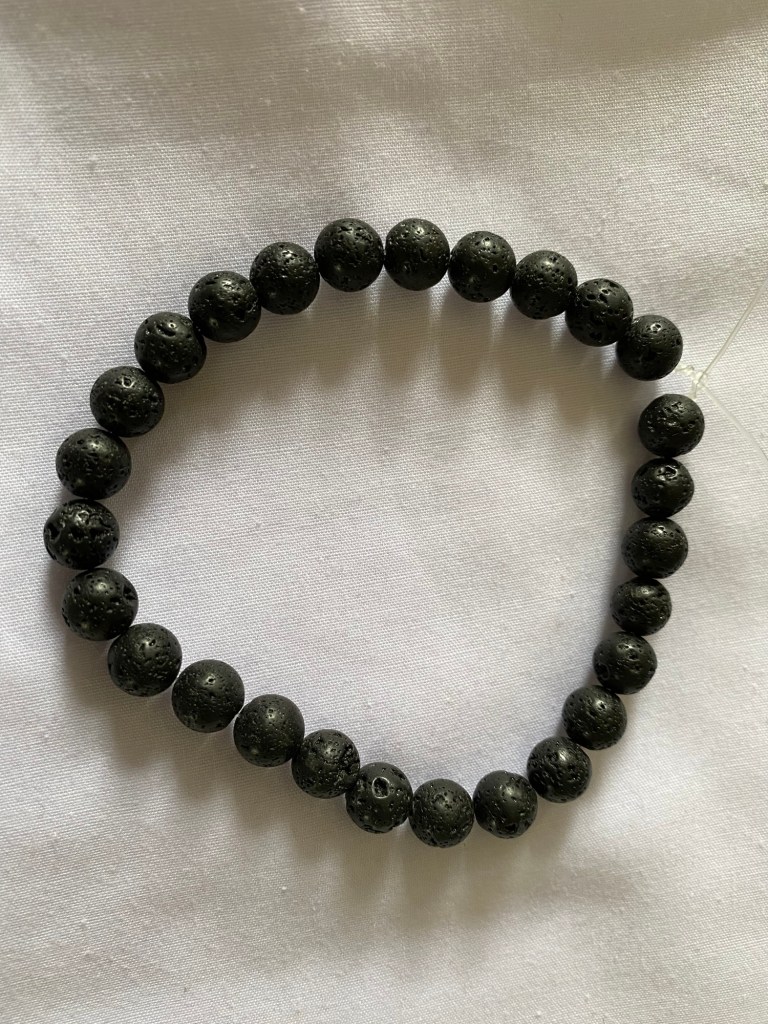
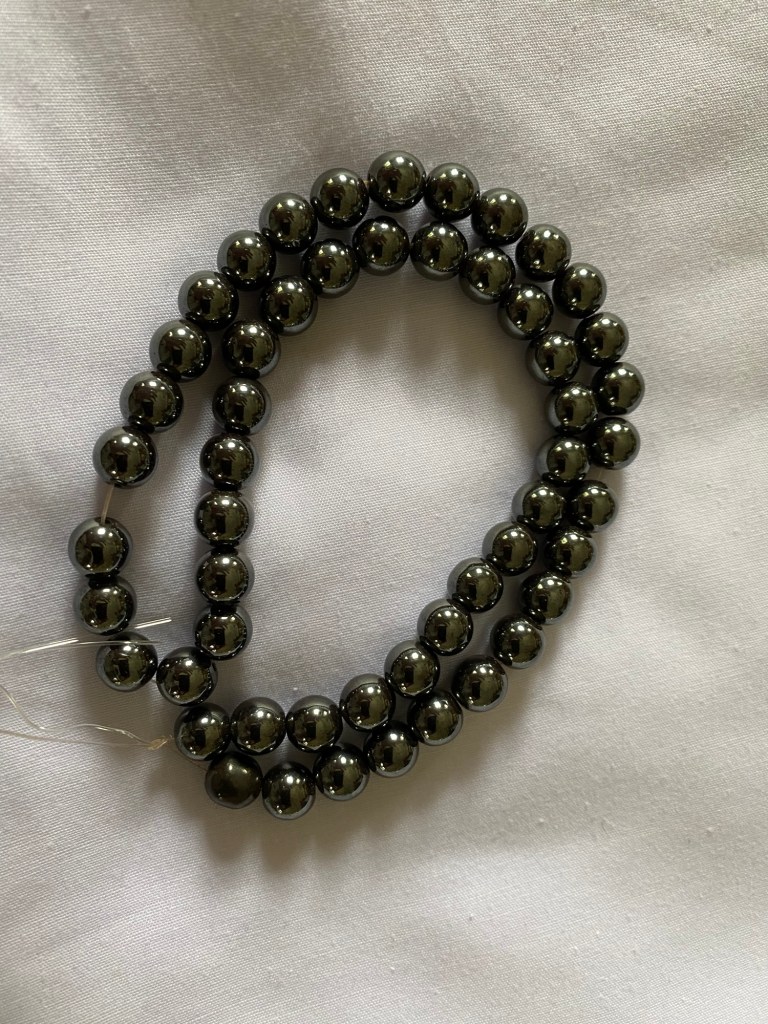
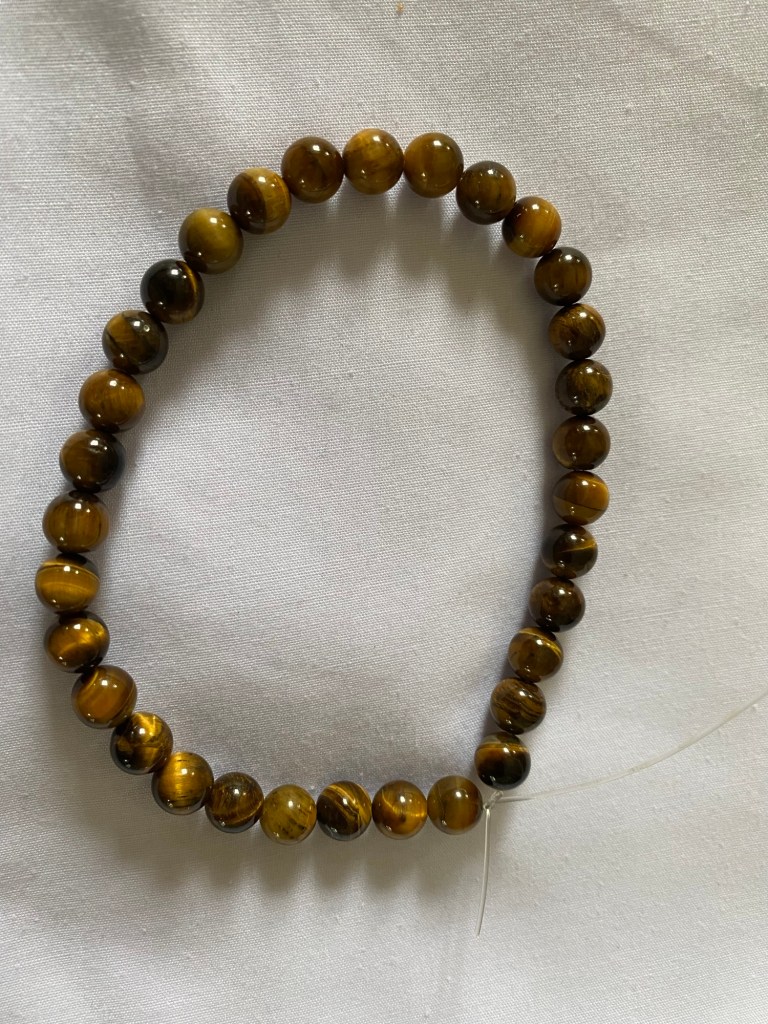
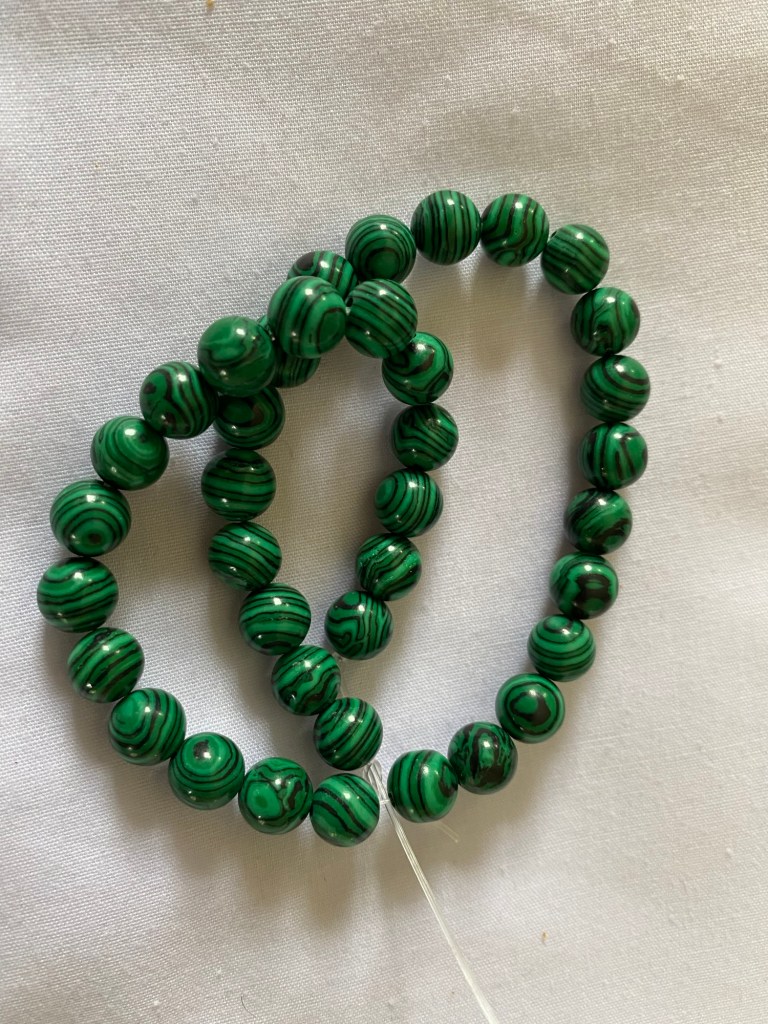

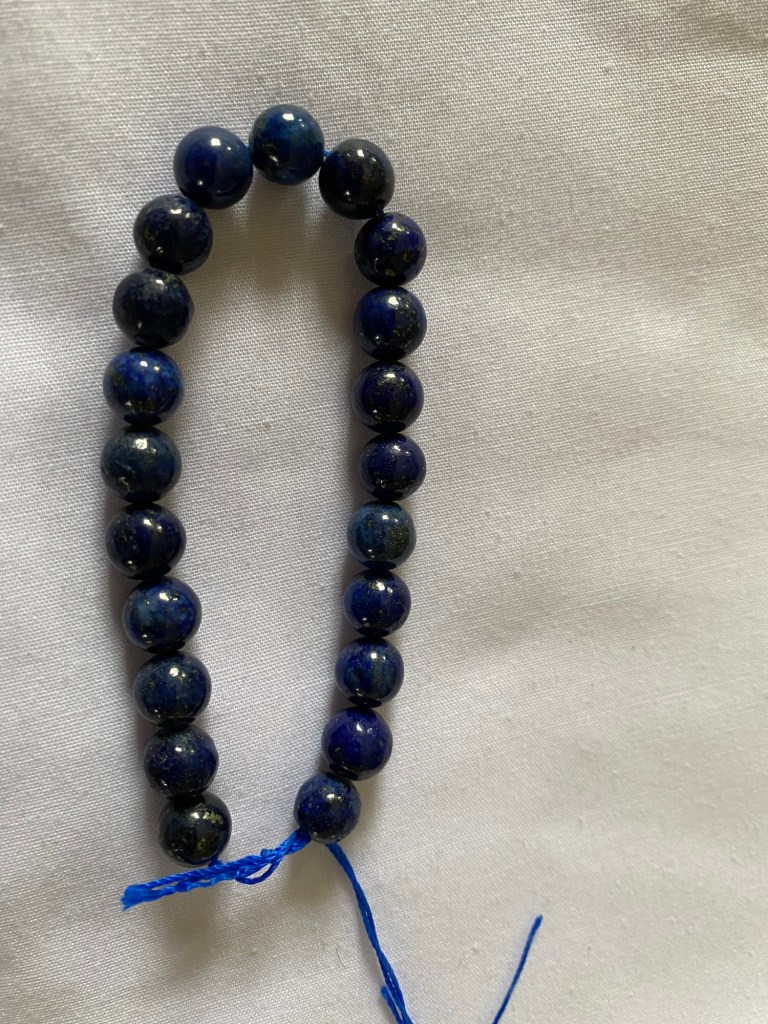
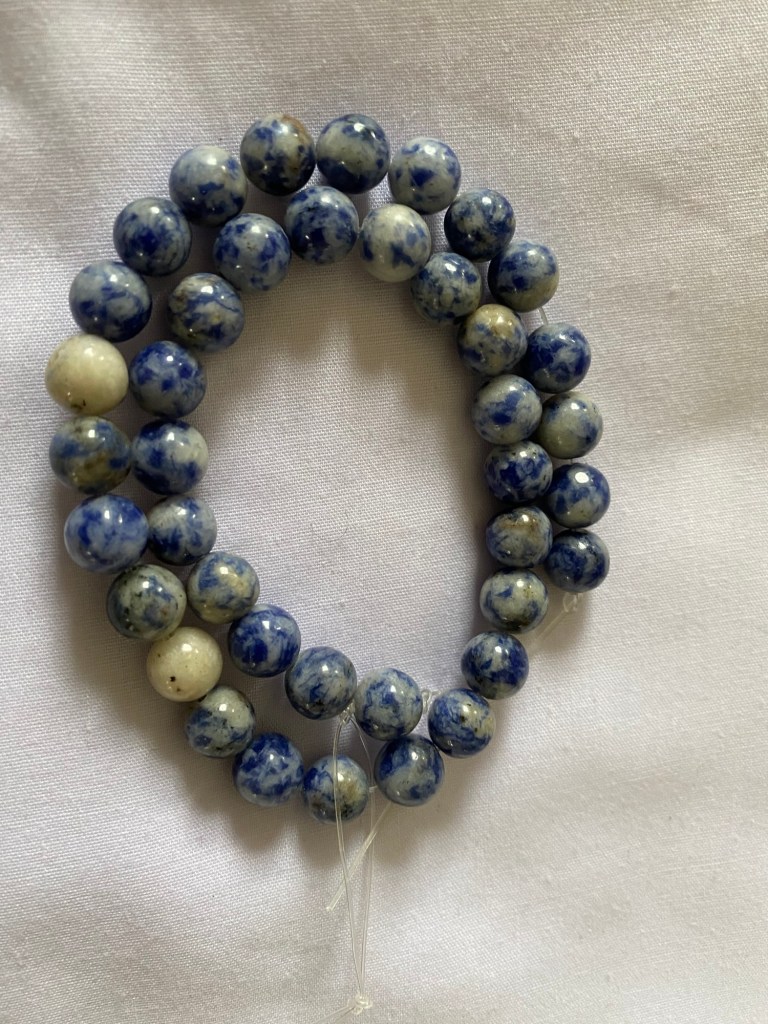

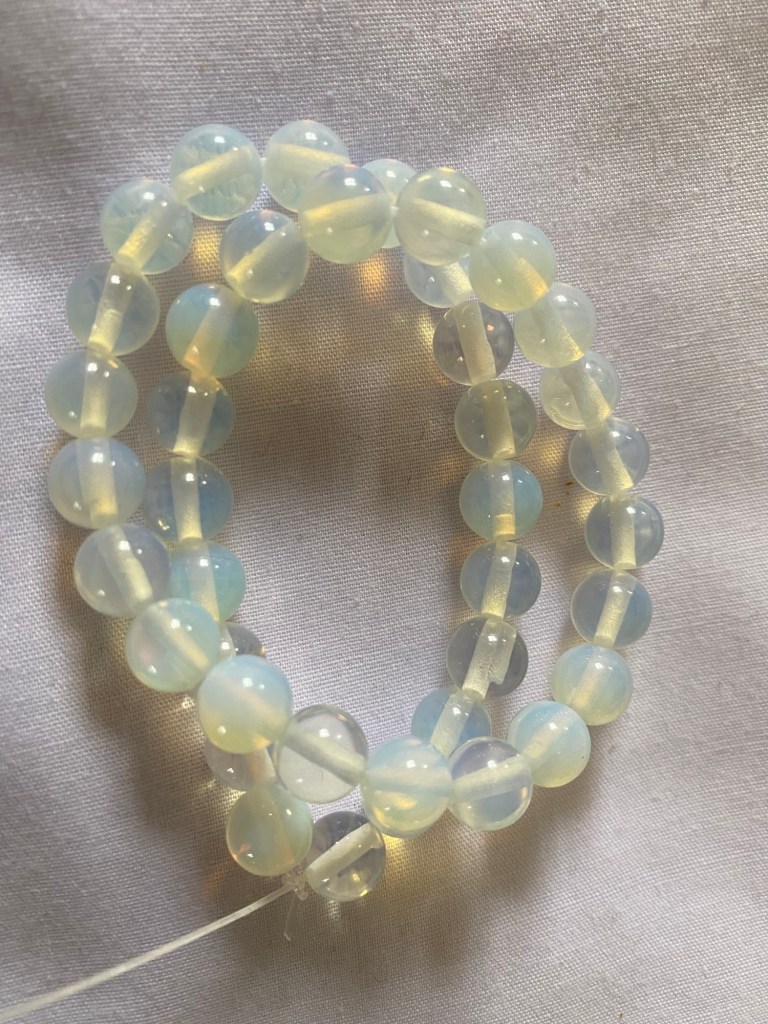
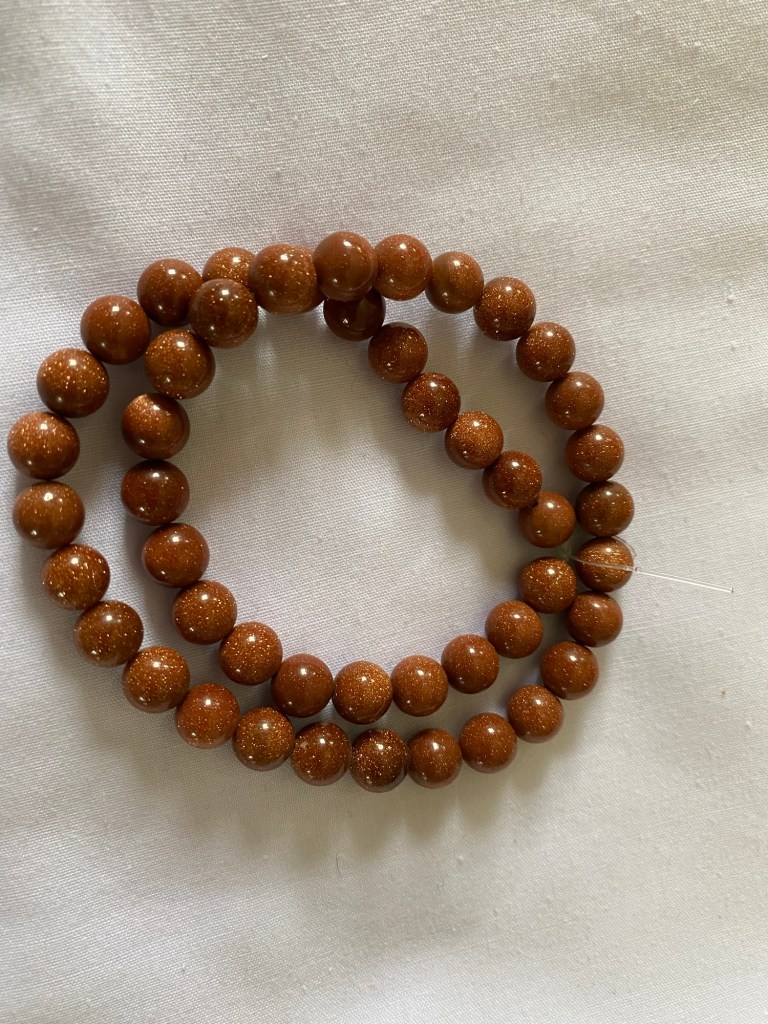
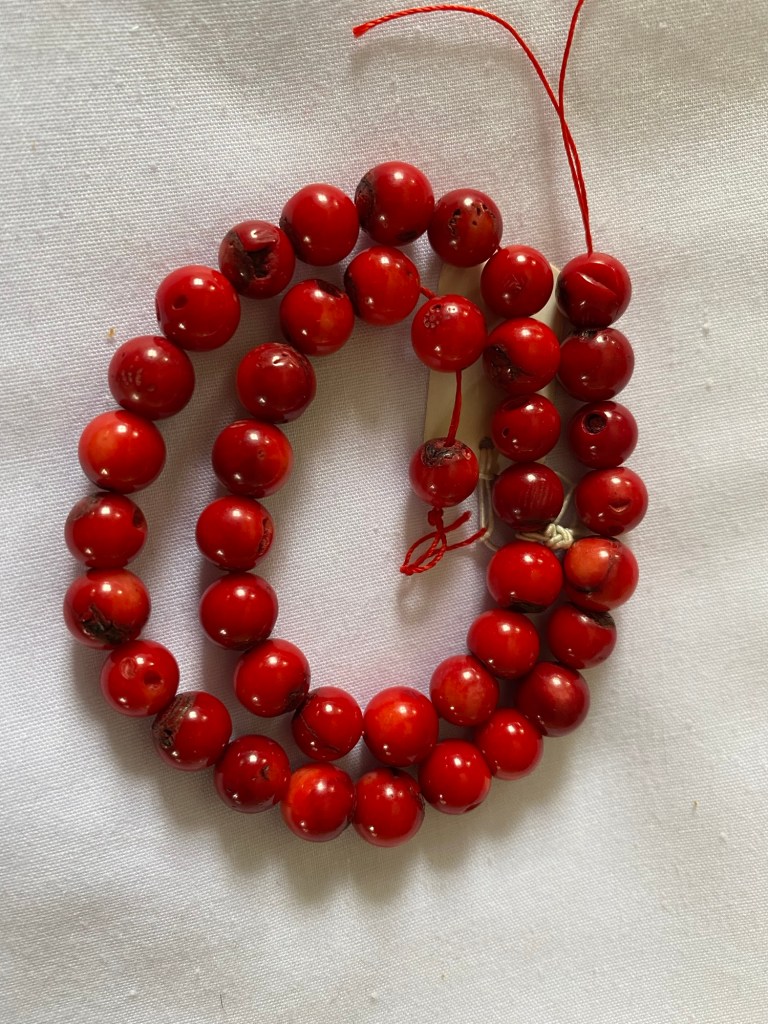
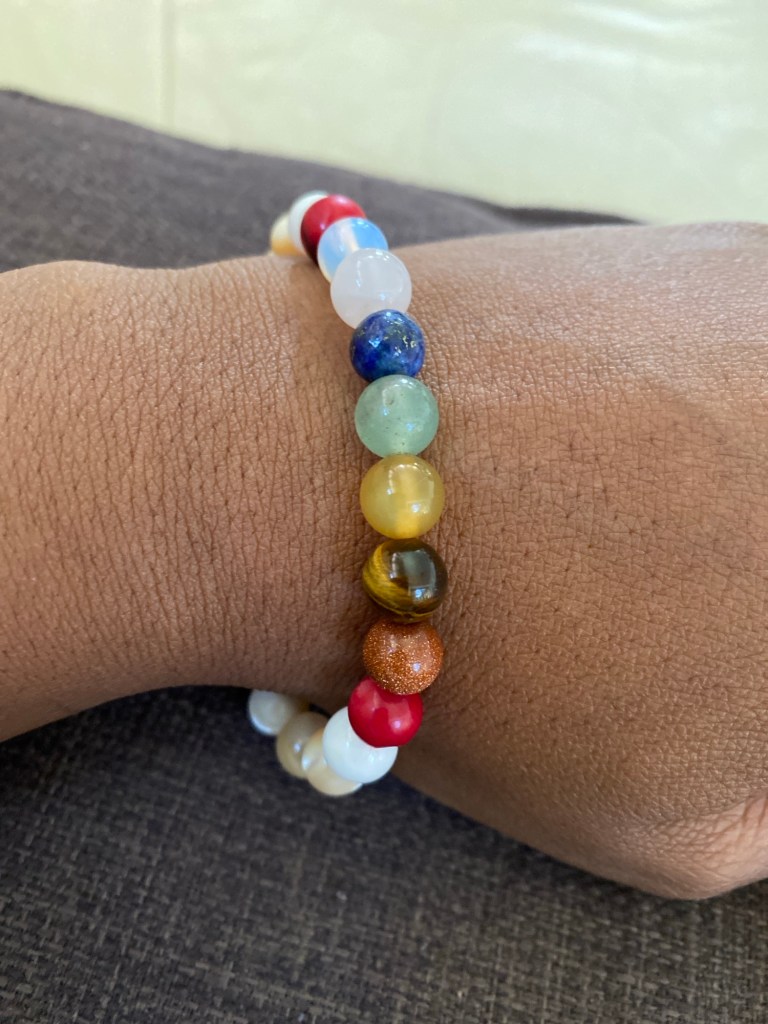


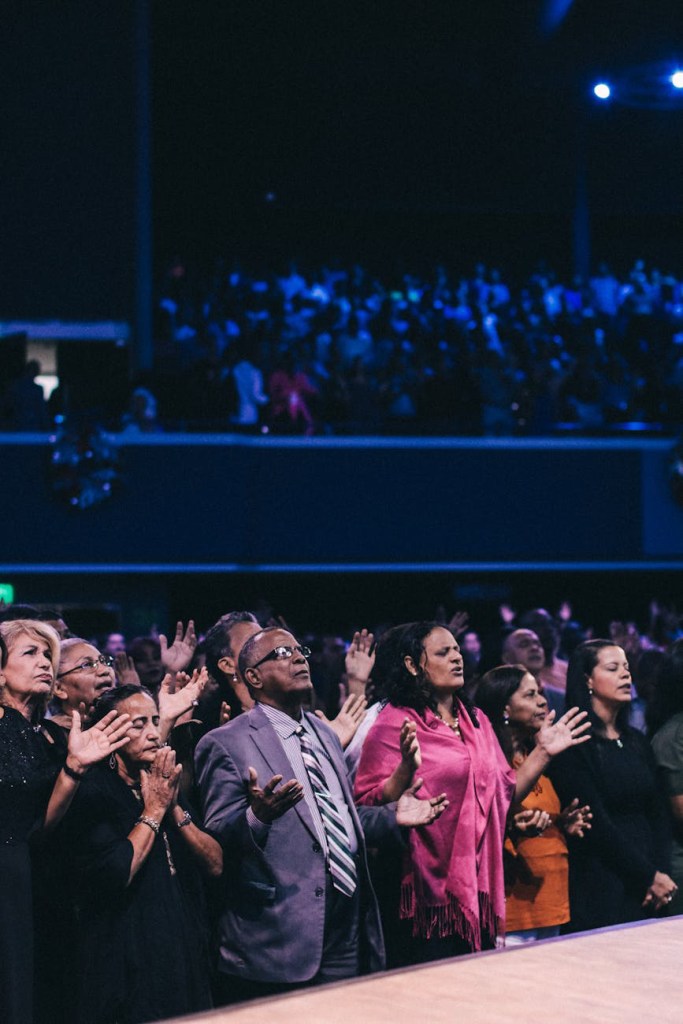





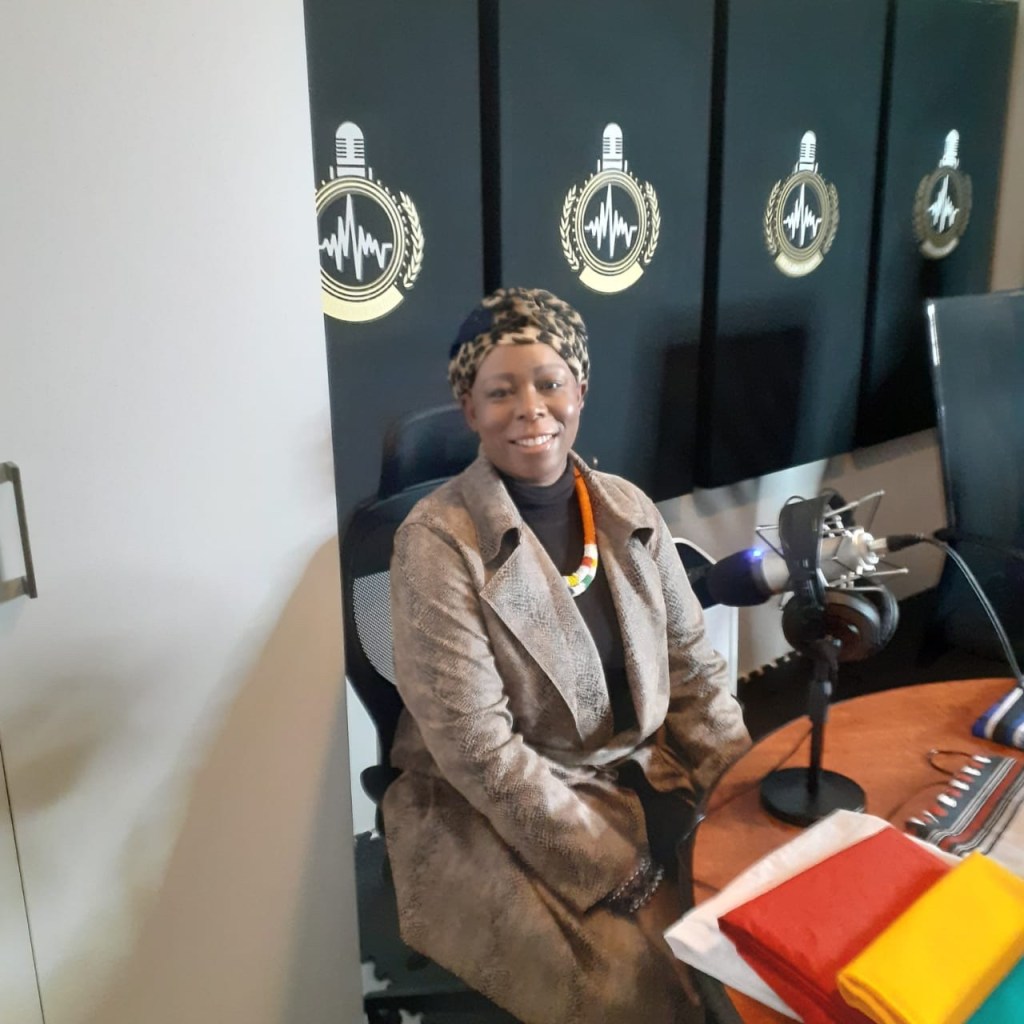


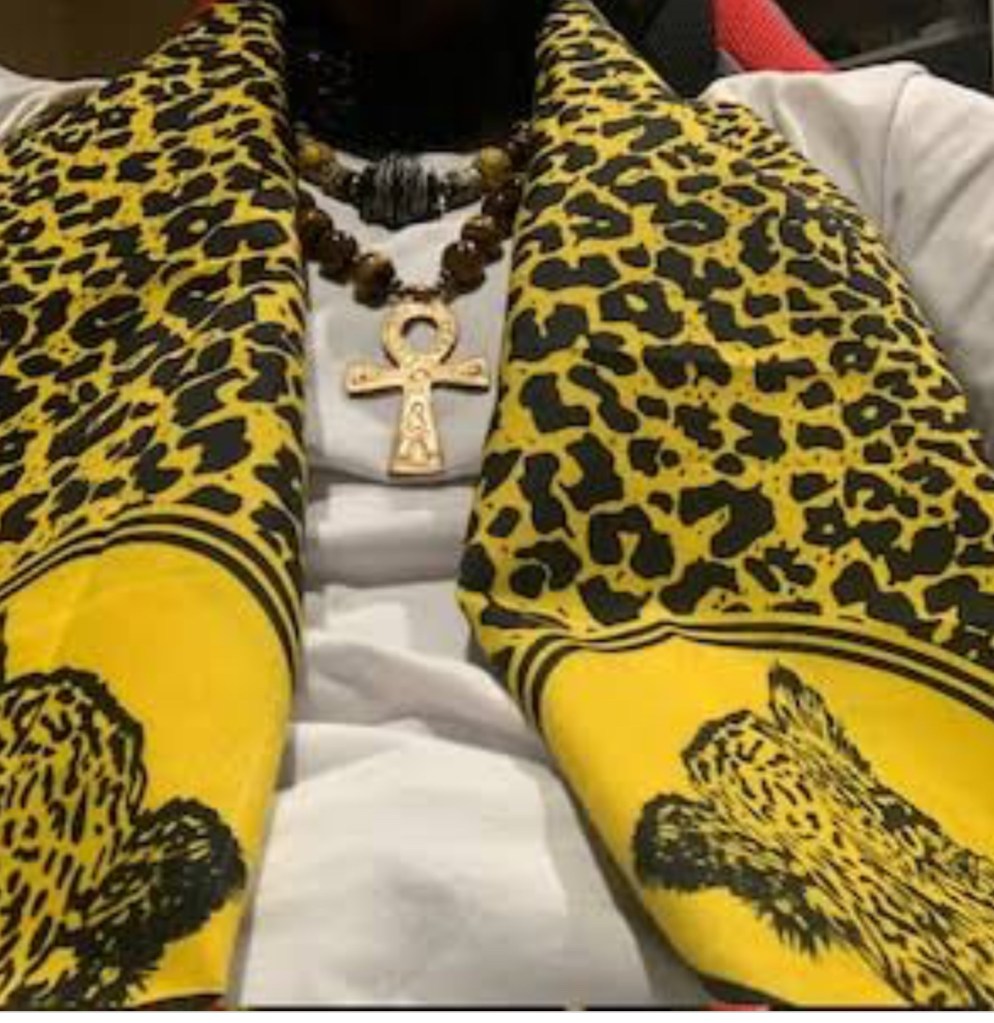

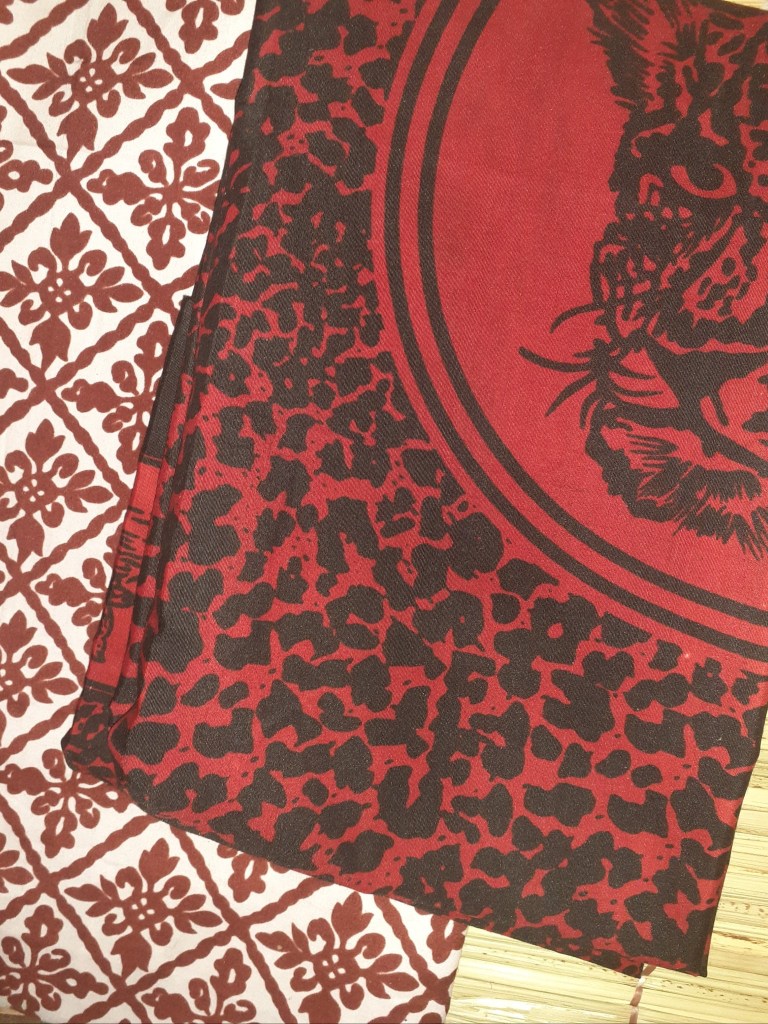

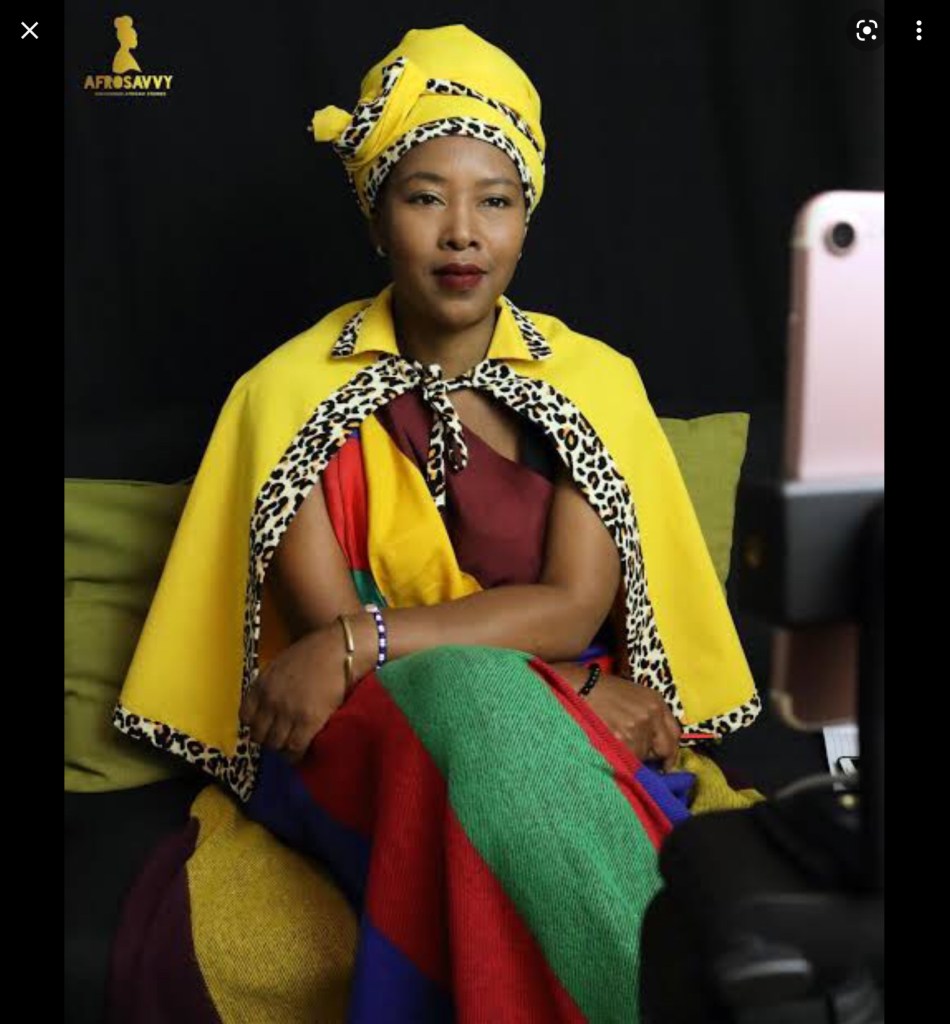





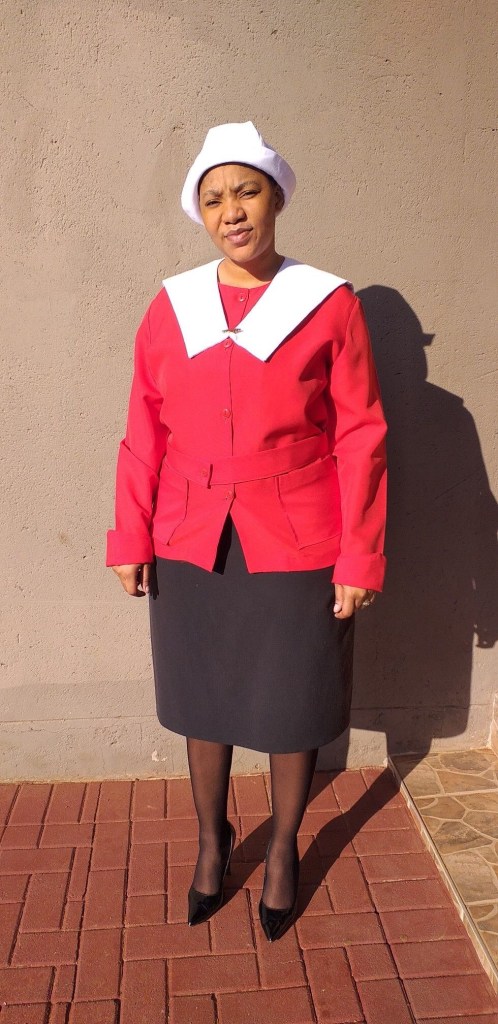


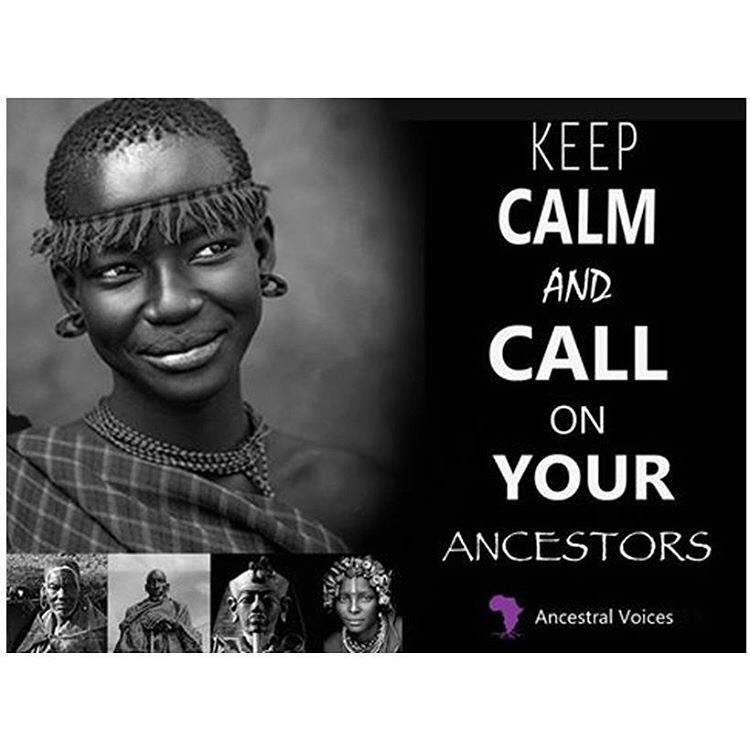
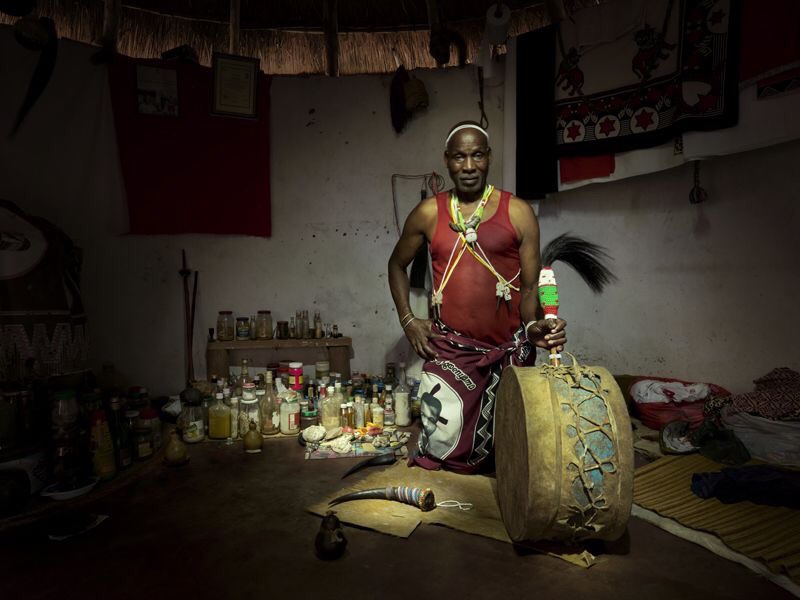
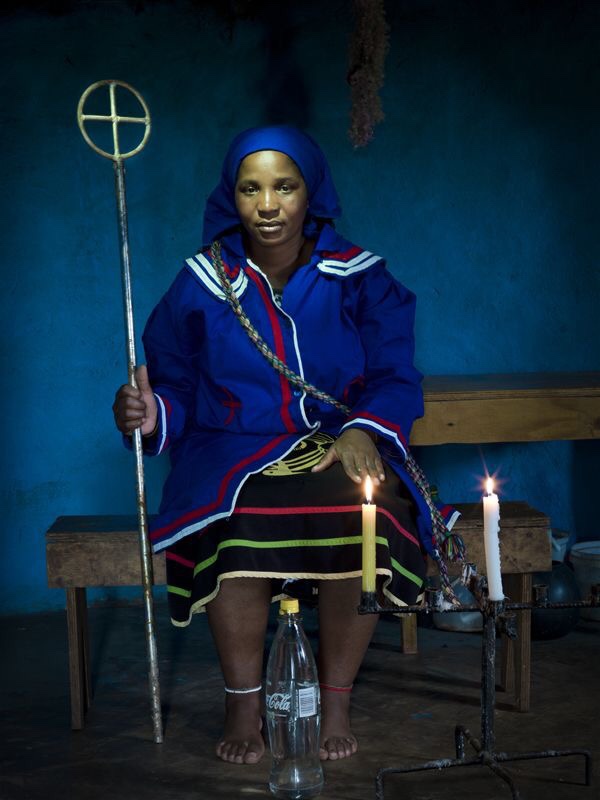
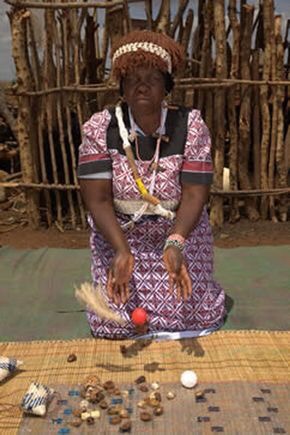
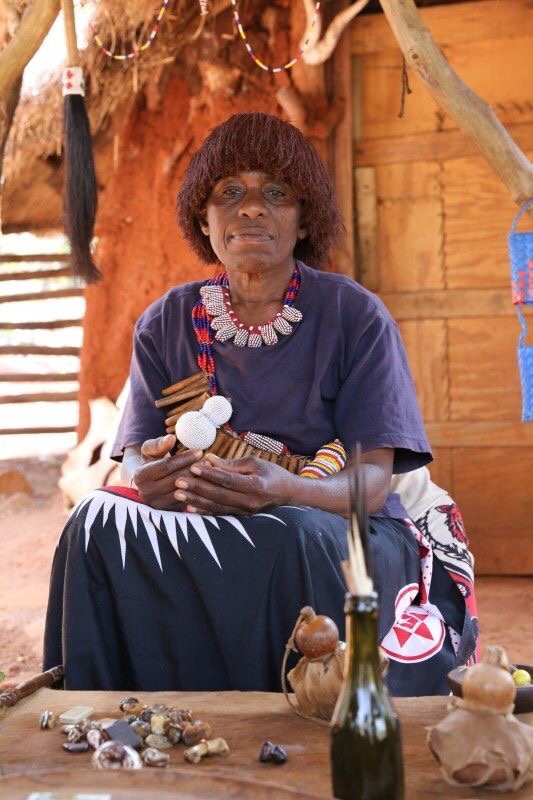

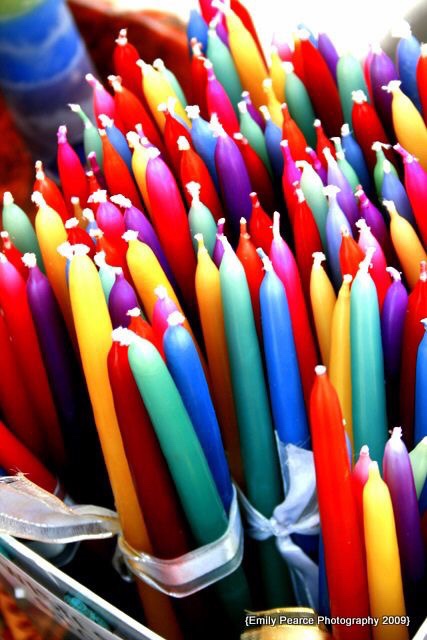


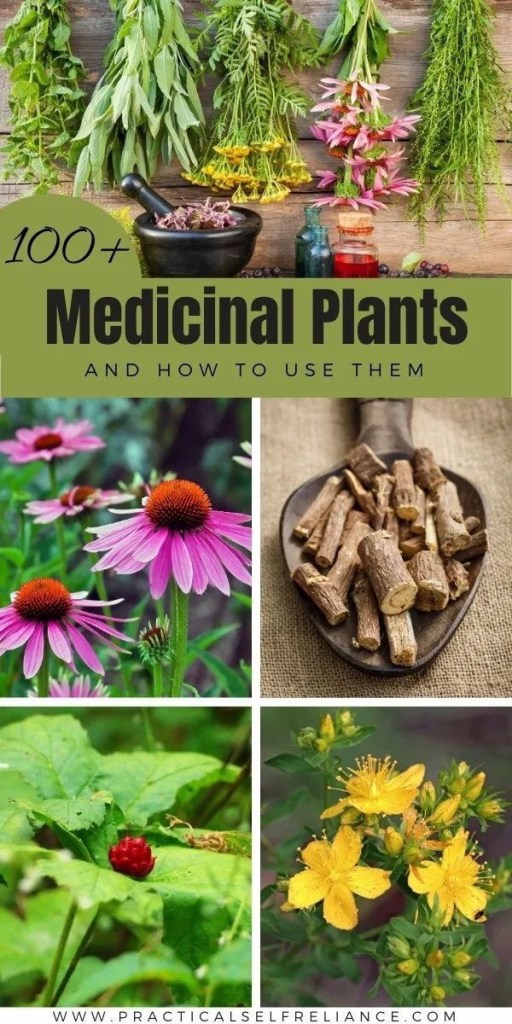

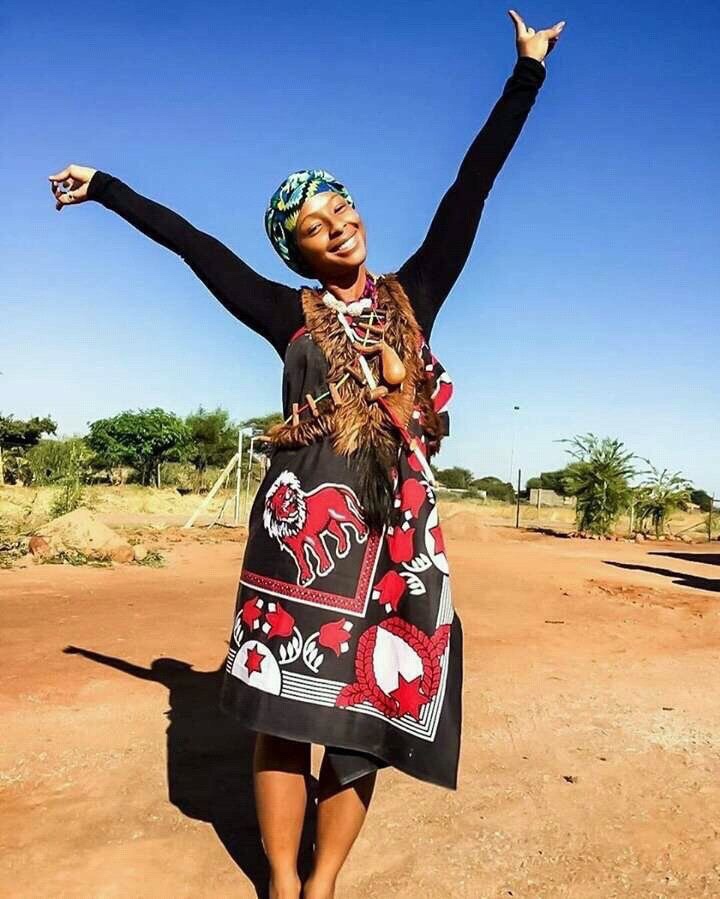
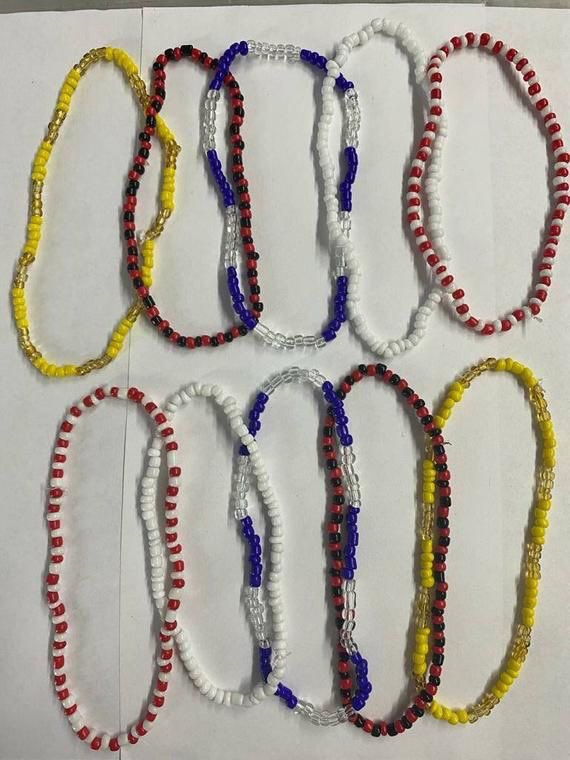
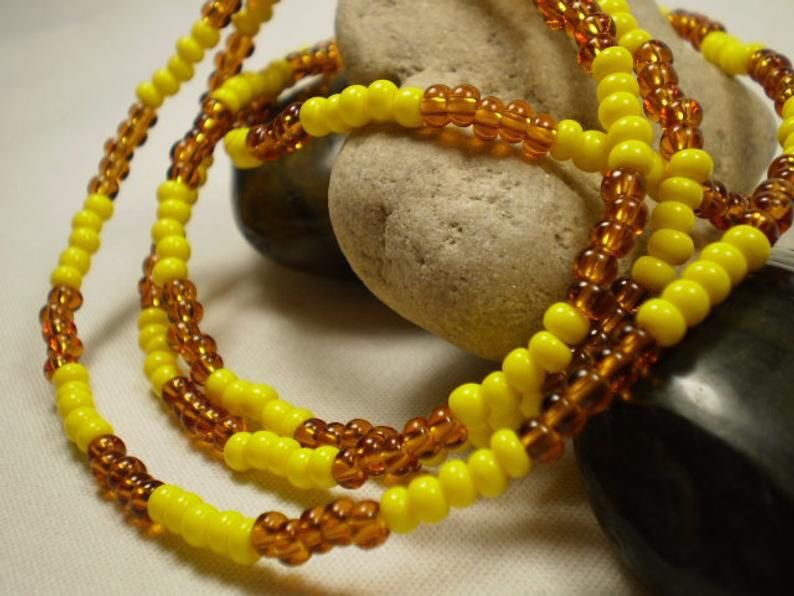
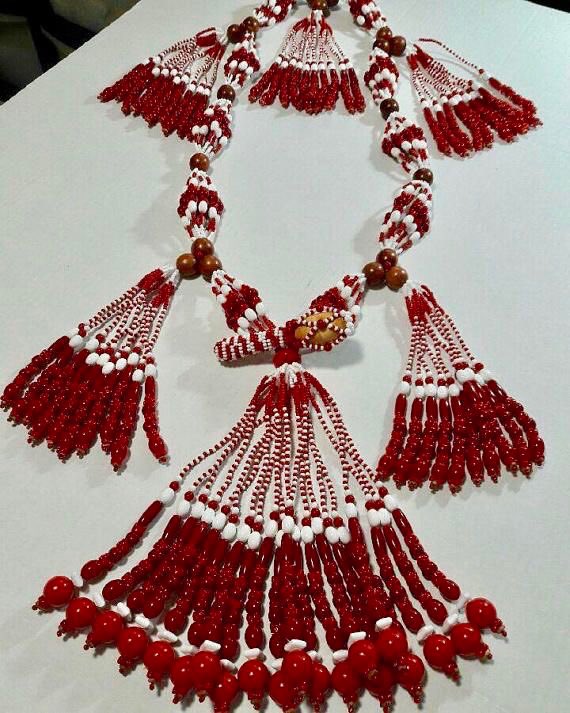
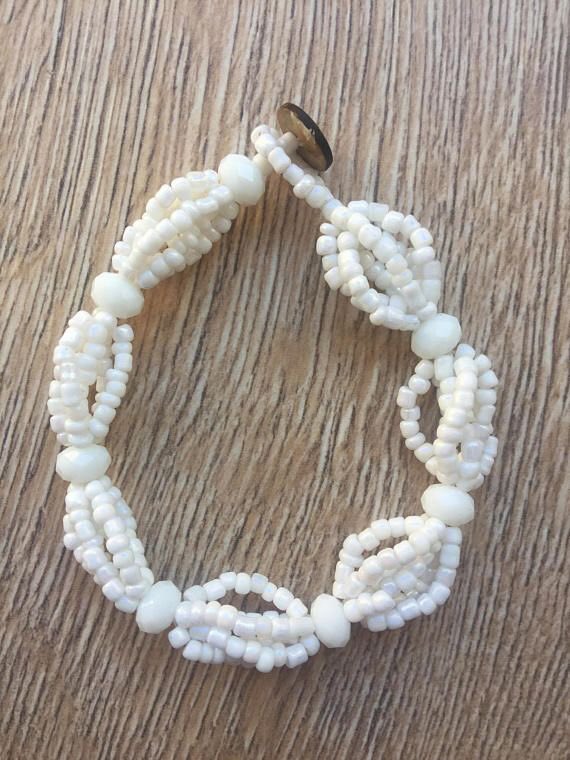
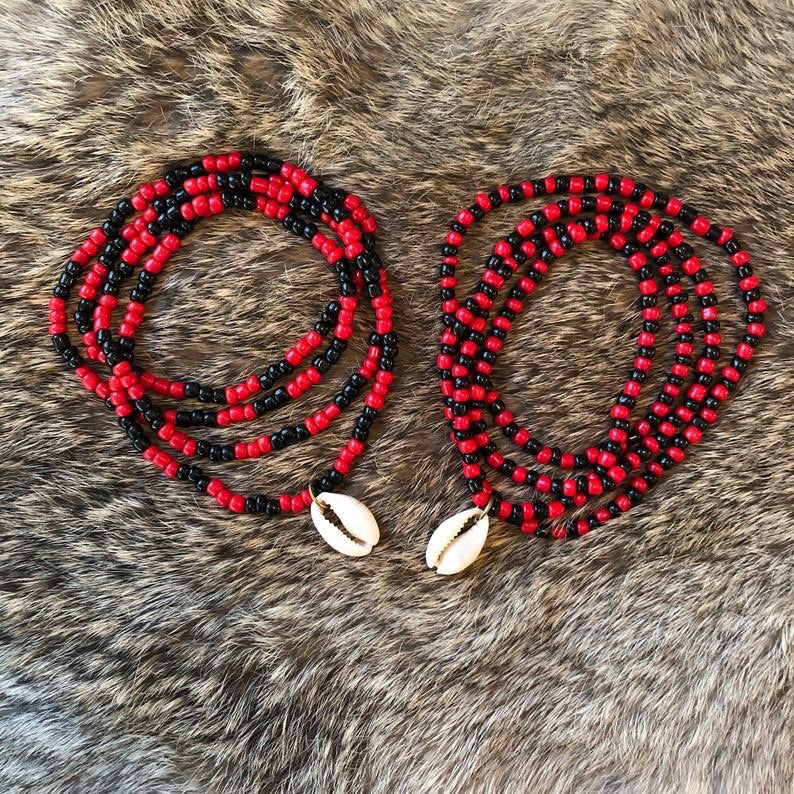
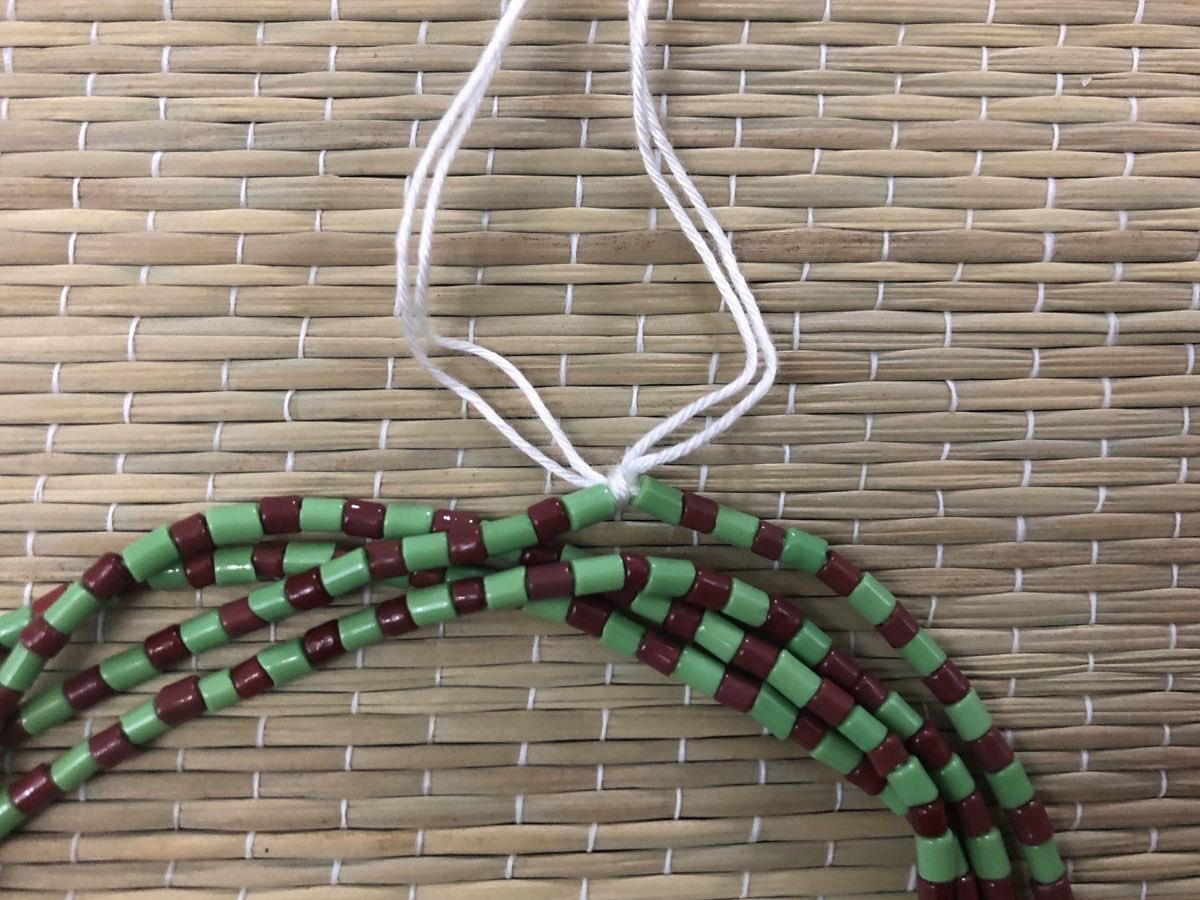
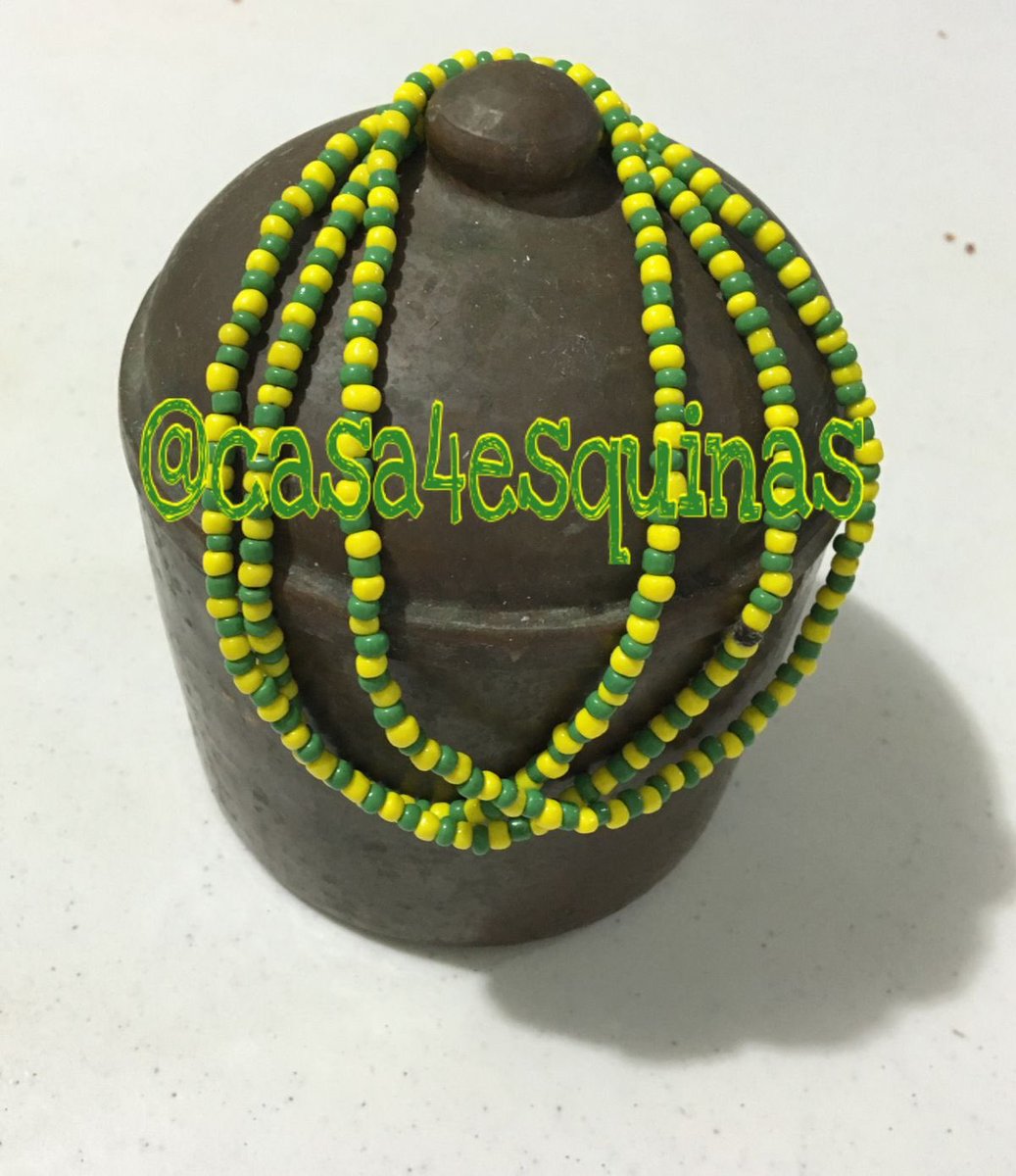
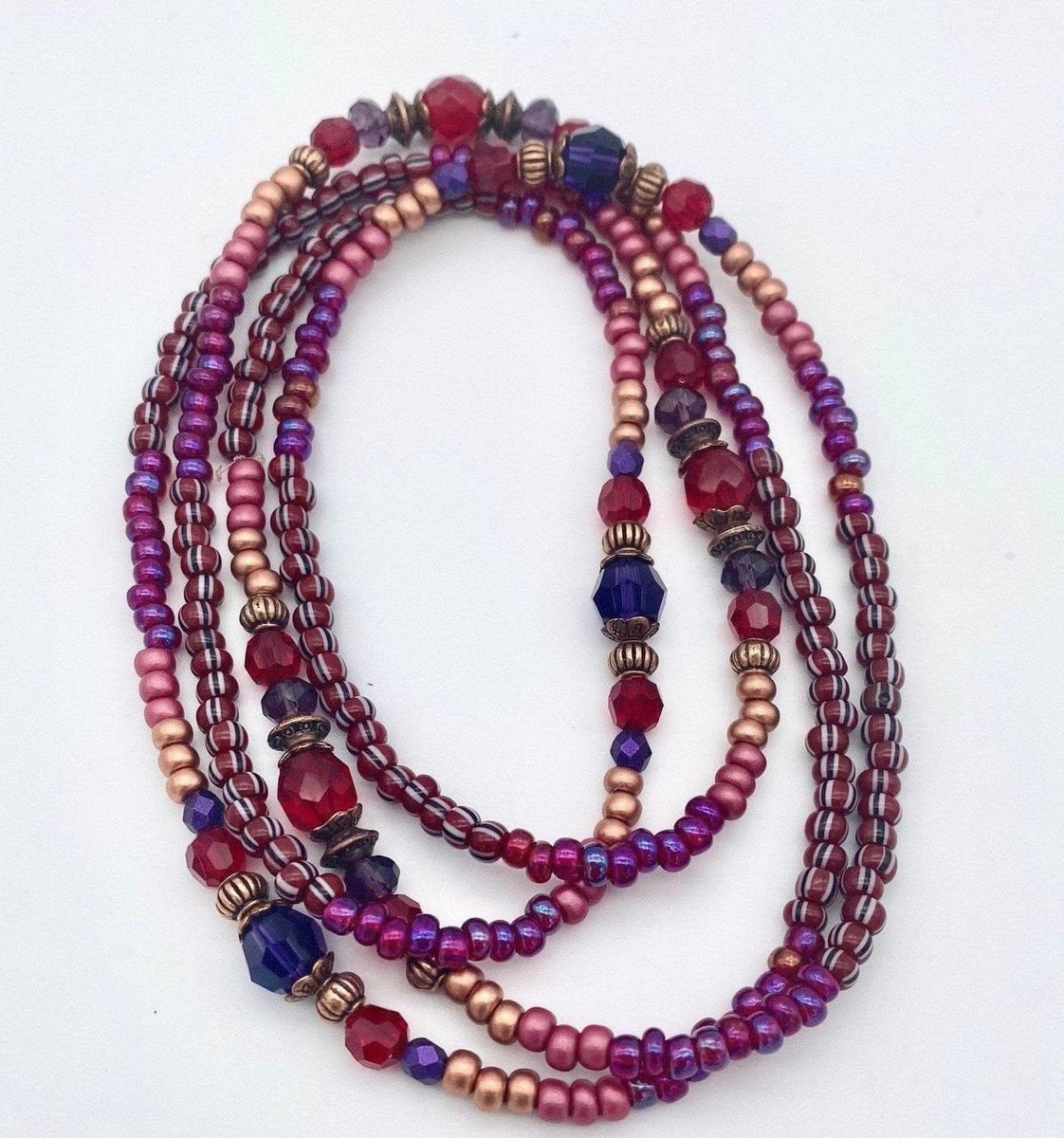


 PrincessPearlManzini
You must be logged in to post a comment.