Genealogy, Identity and Spirituality: Finding Myself

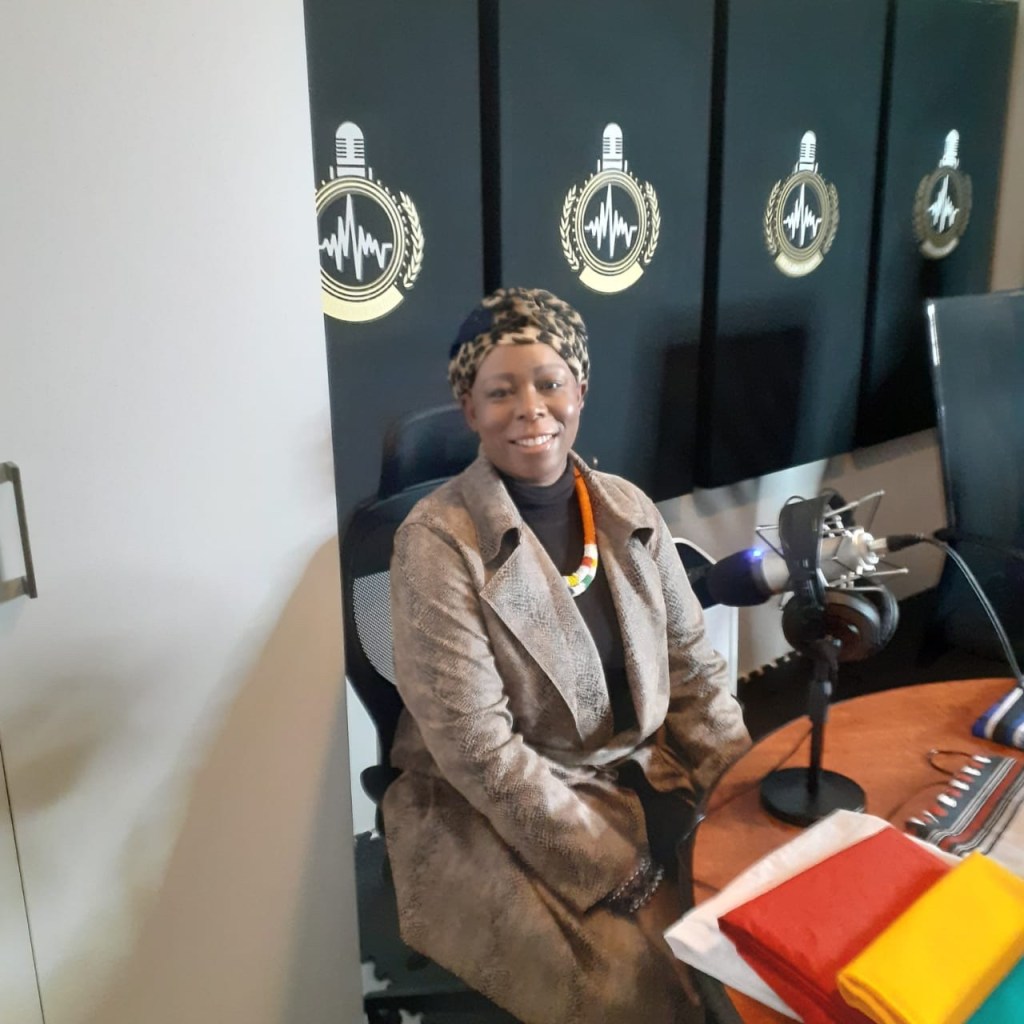
Podcast Radio Interview on Ancestral Apparel

Spirituality is a vast, fascinating, and for many a confusing subject. It is often approached from a point of view of what we believe, which in itself is based on early childhood programming and practices and beliefs instilled by family and the community we are raised in. Education adds to what we believe, providing an additional layer of programming and to a large extent social control through rules associated with spiritual traditions. However, there comes a time when one must decide who we are and what spiritual beliefs and practices support our growth and wellbeing.

Many of us are raised in Christian households because missionary Christianity, in order to support its mission used the carrot and stick method. One end of the stick included forced conversions, starting with the spiritualists and healers in the community. In cases where people refused, they were tortured and killed to literally strike the fear of God in the community.

The other end of the stick was the demonisation and denunciation of people’s spiritual beliefs and practices, which in all cases dated back thousands of years before Christianity. If these beliefs and practices were as primitive, backward, evil and of no effect, why the forced conversion? Why not stage a dramatic showdown as was done in the book of Kings on Mount Carmel between the prophets of Baal and Elijah, the prophet of God? Surely that would have been a more effective strategy, showing once and for all, whose God is superior. Was there no God before Christianity? The fact that force had to be used means the missionaries and colonisers had something to fear from the indigenous peoples’ spiritual beliefs and practices hence violent suppression had to be used alongside propaganda to instil missionary religion.

The carrot was education and healthcare. The commercialisation of agriculture and mining and forced conscription of the men into the colonial economy left families of women and children vulnerable. Conversion to Christianity was a condition for receiving healthcare and education. Furthermore, the church provided a community, a place of gathering and meeting for women to receive social support.

As a result, families abandoned their spiritual beliefs and practices en masse and converted to Christianity. Some held onto their beliefs, rituals and ceremonies, either practising them in secret or syncretising them with Christianity into what became known as African Independent Churches. The latter strategy meant they would not be harassed for practising their spiritual beliefs.

What happens when an educated woman from a family that has been Christian, Wesleyan Methodist for 4 generations, receives an ancestral calling as a healer? What happens when the better-known family history is only from her mother’s side, because the father’s side is not only Christian but there is an issue of paternity, and no connection with the biological paternal line? Ancestral callings require you to revisit history and learn the ways of your people for you to practice as a healer. Without that grounding, how do you navigate your spiritual awakening? You have no elders to advise or guide you because they don’t know how to do it and in many cases they don’t want to because they have been conditioned to believe that anything outside Christian doctrine is satanic and against the will of God.

Those of us who have studied theology understand that doctrine and dogma is shaped by Church history, politics and the systematic rewriting of biblical texts, including mistranslations make the Bible imperfect. Moreover, Christianity only became the official religion of the Holy Roman Empire, much later, when the Emperors of Rome realised it to be a useful tool for social control. There was a time when Christians were fed to the lions for entertainment, part of the strategy to destroy this rising sect that was seen a threat to Roman rule. However, the oppressed learn the strategies of the oppressor and missionary Christianity would use the same strategies to ruthlessly oppress and destroy those whose beliefs do not align with theirs.

This leaves a person going through a spiritual awakening associated with an ancestral spiritual calling, lost, confused and vulnerable to manipulation from anyone who appears to have answers. You have sleepless nights, confusing dreams, visions and intuitive messages and no manual to clarify. The Western dream journals have a few answers but the cultural references are off. The Eastern and Arab dream symbols also have some answers but are not entirely aligned. A few content creators assist by providing dream interpretations from an African perspective but if you don’t understand their language, the answers are still hard to find. This is tricky because the path of self-initiation where you receive guidance from your ancestors and spirit guides relies on you decoding your dreams to take the next steps for your evolution.

After much trial and error, prayer, communicating with my ancestors and learning from other healers, I eventually found a way. My mixed heritage made things very interesting as my spirituality does not fit a single cultural template. What is true however, is that certain of my spiritual practices eventually put me in direct conflict with church doctrine and I had to choose between continuing my spiritual journey and completing the mission set by my ancestors and leaving the church or subjecting myself to church discipline and continuing in the office of a preacher. I chose the former because my resistance to my calling had cost me and my family dearly and I needed to undo the damage otherwise the duty would fall to yet another hapless descendant of our lineage.

The first clue about my heritage was the spiritual cloths. The prints I was instructed to buy and wear, each associated with a particular guide gave a clue about my heritage. The first was the white leopard print. The leopard skin in Kemetic Spirituality is used to chase away evil spirits and is worn by royalty across Africa. I was shown one of my guardians in the form of a leopard. Tracing my genealogy through family and clan names confirmed my royal lineage, on both sides of my family.

Leopard and Cheetah Animal Prints

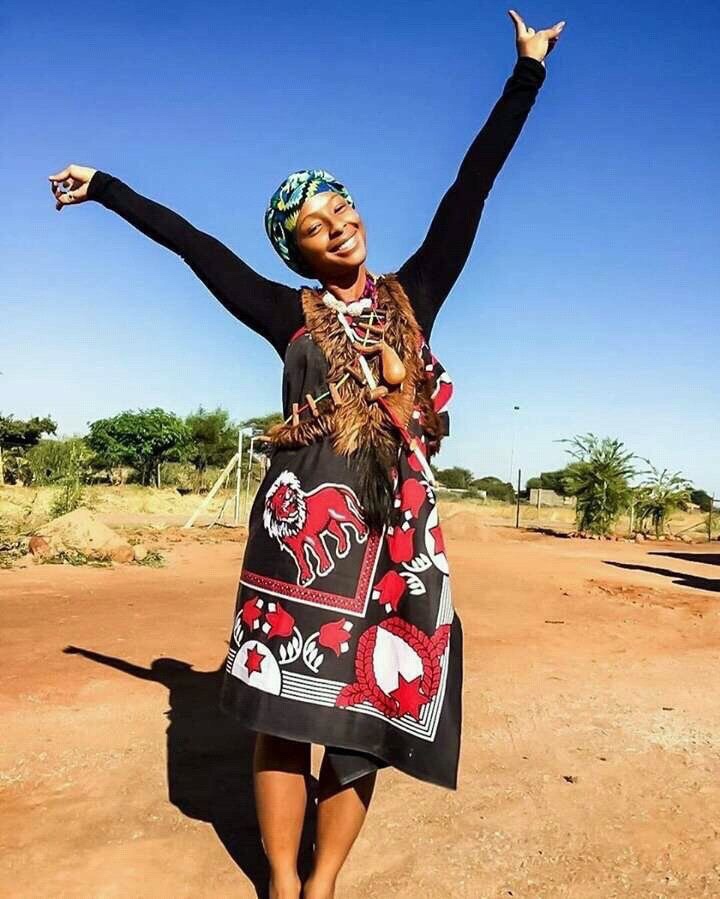
The lion print was the next clue. I had dreamt of lions for years, again another marker associated with royal ancestry. The spirits that take the form of a lion are fierce, feared and confer courage, dignity and wisdom. Those with the lion guides are destined to be leaders. This was not a surprise as leadership roles found me, even when I was not looking.

The cheetah appeared next. This guide brought strategy, speed and psychic awareness. The cheetah is a pack animal, associated with warrior guides. All these are creatures of the savannah, where the sunlit grasslands of the east carry the game they hunt as prey.

Plain Fabrics Associated with Isithunywa

I have plain fabrics, the colours of which are associated with certain healing gifts. This was because most of our ancestors who were healers were forced to camouflage their spiritual practices under African Independent Churches to avoid prosecution under the Witchcraft Suppression Act. these are used for the robes, capes and dresses worn by spiritualists who heal through prayer, fasting and cleansing at water bodies.

My origins from East Africa were further confirmed by the sun print. This is associated with the people who worshipped the solar deities, the sun god Ptah- Ra who cycles through different aspects at sunrise, at midday and at sunset. Primarily associated with Kemet, the people of the sun, Bantu Ba Ka Langa, later known as BaKaLanga. There are various interpretations of what prints mean, however the one that makes the most sense now, after everything is the link with my ancestors who lived according to the solar cycles including the equinoxes and solstices and built their calendar around them. Studying the content of the ancient mystery schools of Kemet brings more clarity. When you look at pictures of Kemetic deities, most of them wear anklets and bracelets of different colours because they understood the science of vibration and colours and how they affect the aura or energetic field.

Sisambe Print

I also have the Njeti and Paloo prints which were brought to Africa through trade between our African Ancestors and the Indians. Most of the animal prints are imported from India anyway so that relationship has evolved, it has not died. My Ndau ancestors on my mother’s side traded with Indians so these are ancient ties. The Sisambe print is a tartan, also brought to Mozambique through trade and associated with the VaChopi, whose healers performed surgery and other advanced medical treatments. All these prints are associated with Ndau guides and they present themselves to initiates wearing those prints.

I have written about and posted about ancestral fabrics and other apparel. I continue learning and uncovering more insights as I progress on my journey. Each spirit guide or ancestor – because they are not the same thing but are from different classes in the spiritual hierarchy, chooses to present themselves with a particular fabric or fabrics because of the vibration of the colour and pattern and the message for the initiate which they will understand with patience, time and practice.

What is now clear to me is that no religion or spiritual tradition has all the answers. We are ultimately sovereign spiritual beings created in the image of the One, the Source or Creator of all things. We incarnate into clans of our choosing to learn certain life lessons, repay karmic debts and be of service to humanity in one capacity or the other. Ultimately, we return to Source, however tradition defines it, just as a child returns home to their parents.

May your spiritual journey be one of joy and enlightenment and may it enable you to fulfil your purpose.

The Forgotten Prophets: Reclaiming the Wisdom of the Sibyls

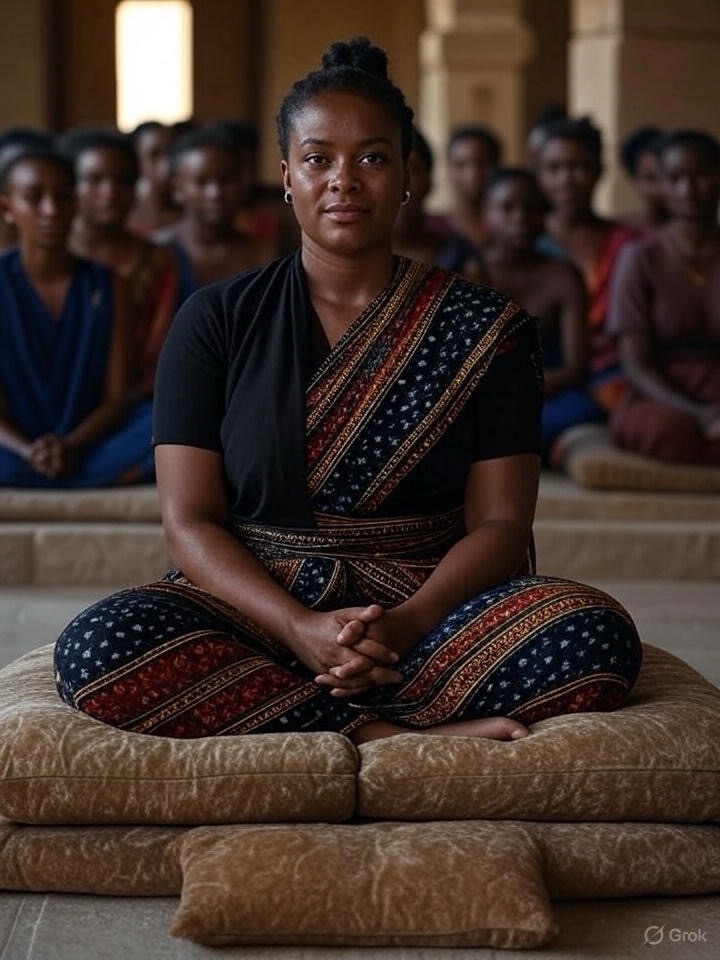
AI – Generated Image

What if the stories you’ve been told about God, power, prophecy, and the origins of spirituality were deliberately altered—erasing the truth of Africa’s sacred feminine legacy?

In The Sibyls, Mama Zogbé uncovers a truth buried beneath centuries of conquest, colonization, and religious rebranding: that the original prophets, miracle-workers, and spiritual guides of the ancient world were African women.

These women—queens, priestesses, healers—were known as Sibyls.

The Rise and Erasure of the Sibyls

The Sibyls were not myth. They were real, powerful women who spoke prophecies, healed bodies and nations, and built spiritual cities and temples in Africa, Europe, and Asia Minor long before the birth of Christ.

But history, as it is told by the victors, changed everything.

Their temples were destroyed. Their writings were plagiarized. They were rebranded as witches. Their divine feminine power was replaced with patriarchal control.

Even African men, under pressure or ambition, betrayed them—looting their sanctuaries and forcing them into exile. And when they fled to Europe and Asia, they were hunted there too.

Stolen Stories, Whitewashed Myths

The theft didn’t stop at physical destruction. The spiritual knowledge of the Sibyls was appropriated and repackaged by empires like Greece and Rome:

The gods of Olympus were originally African deities. Homer’s Odyssey was a plagiarism of the Ethiopian Sibyl Eriphyle’s prophecies. Helen of Troy, famed for her beauty, was a Black woman. Even the name Europa belonged to one of the Sibyls.

Art, poetry, and theology were all employed to elevate male, white divinity and erase the divine feminine of African origin.

The Roman Church and the Goddess in Disguise

When Christianity rose under Constantine, the persecution intensified. Temples were torched. Priestesses were killed or sold into slavery. Yet the divine feminine survived—hidden in plain sight.

The Vatican, built on the ruins of a Sibyl temple, still whispers the old truths. The Black Madonna, venerated in secret even today, is none other than the African goddess Isis—uNomkhubulwane.

Even the Catholic prayer “Hail Mary” reflects this hidden reverence for the mother of God—a divine title first held by the Sibyls.

A Lineage of Power and Prophecy

AI -Generated Image

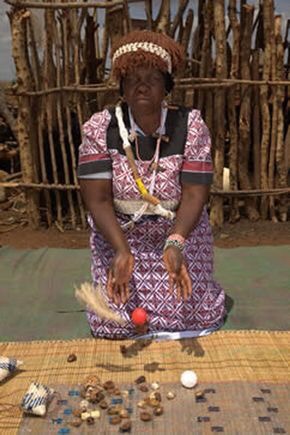
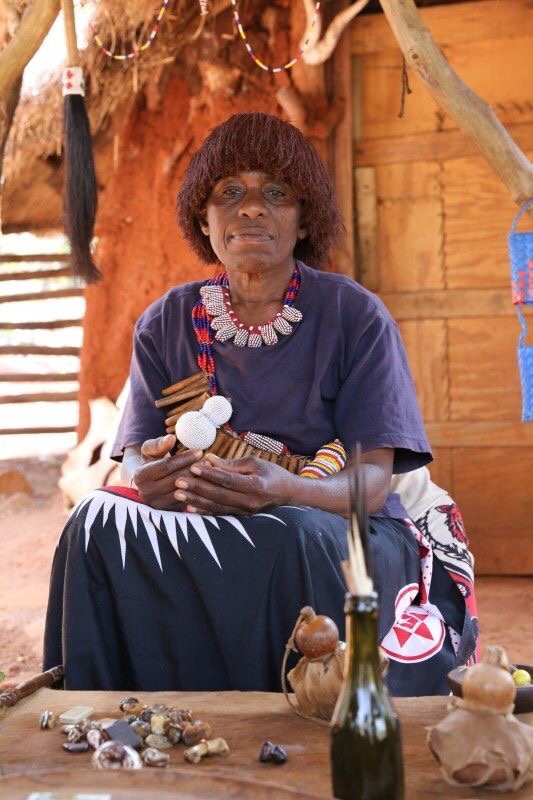
Many African women today—especially indigenous healers and abangoma—carry the same spiritual gifts. They divine with bones, shells, and dice. They dream of snakes, water, suns, and animals. They heal through trance, dance, and ancestral connection.

These are the markers of a Sibyl’s bloodline.

King Saul sought a Sibyl, Herophile, when God’s voice grew silent. Roman emperors, including Augustus, honored them. And the 7 churches in Revelation? Not Christian institutions—but temples of the Great Mother.

Reclaiming Our Truth

The erasure of the Sibyls is not just a historical injustice. It is a spiritual theft that disempowered generations of women, rewrote sacred texts, and weaponized religion.

But the truth is awakening.

To read ‘The Sibyls’ is to remember. To remember is to reclaim. And to reclaim is to heal.

As Jesus said:

“You shall know the truth, and the truth shall set you free.”

For reflection:

What gifts or dreams have you inherited through your maternal line?

Have you ever felt a spiritual calling that defied traditional religious narratives?

How would your spirituality transform if you truly believed the sacred feminine dwelled within you?

The legacy of the Sibyls has not gone forever. It lives in the DNA of every spiritually gifted child, male or female who is descended from these ancient priestesses of the divine. As we rise in consciousness and elevate spiritually, we align with the same divinity. Allow that heritage to ground and transform you.

Wolves in Robes: Discernment in the Age of Spiritual Deception

By Nomathemba Pearl Dzinotyiwei

AI-Generated Image

Good morning, beloved. Today, we touch a tender, often buried wound—the betrayal many have experienced at the hands of those who claimed to represent God. Some of us trusted them with our hearts, our pain, and our purpose, only to be left spiritually bruised and disillusioned. It is time we speak honestly.

Not All That Glitters Is Godly

The idea that Satan plants agents in churches—men and women dressed in robes and uniforms, holding titles like bishop, prophet, and minister—is deeply unsettling, but it explains the evil we sometimes witness cloaked in holy garb. The trauma inflicted by these imposters cuts deep, especially because the harm is done in the name of God.

Let us be clear: a title does not make one holy. A robe does not sanctify. We are all called to pursue holiness and to work out our salvation with reverence and discernment.

Test the Spirits: A Divine Command

As written in 1 John 4, we must test every spirit to determine whether a servant is led by the Holy Spirit or by something else entirely. The tools are simple but sacred—daily study of the Bible, intentional prayer, and the guidance of the Holy Spirit.

After each sermon, revisit the scripture preached. Use cross-references, study notes, and prayer to seek deeper understanding. Don’t be swayed by emotional manipulation or out-of-context verses. Even Satan used scripture to tempt Jesus in the wilderness. That same tactic is used today in pulpits around the world.

Faith for Sale?

Beware the wide gate of spiritual entertainment and empty motivation. If the Word never convicts you of sin or leads you toward repentance, be cautious. Some churches shy away from preaching against pride and greed because they rely on the wealthy for offerings. Others demand “seed sowing” in exchange for miracles—yet Jesus never charged the poor or the rich for healing.

Let us remember: the Holy Spirit is not for sale.

Misplaced Worship

There will come a day when some will cry, “But I gave money to the church,” only to find themselves outside the gates of heaven. Why? Because they worshipped pastors and buildings—not God. Let us not be deceived into idolatry disguised as devotion.

As 1 Timothy 5:8 reminds us: “Anyone who does not provide for their relatives, and especially for their own household, has denied the faith and is worse than an unbeliever.” Many churches would rather you ignore this truth while you give your last cent.

African Spirituality and the War on Identity

A more insidious deception lies in the demonisation of African spirituality. Many Christians have been taught that their culture is evil, leading to emotional, spiritual, and even financial oppression. But few who denounce ancestral practices have ever brewed traditional beer, performed libations, or participated in rituals with understanding. They speak from ignorance.

Yes, some have been harmed by dark practices and must walk the Christian path for their safety and sanity. But others receive instruction from ancestors—through dreams, visions, or seers—to walk with God while honouring their heritage. It’s not one-size-fits-all.

Even Deuteronomy 18:10, often quoted against traditional practices, must be understood in context: it was a specific instruction to exiled Jews in Babylon. Much of African spirituality, with its rituals and sacrifices, aligns more closely with the Mosaic law than we are led to believe.

Grace, Culture, and Spiritual Warfare

Jesus did not abolish the law; He fulfilled it. The Holy Spirit came to intercede, comfort, and empower us. Living under grace doesn’t mean we must abandon our culture. What matters is this: Do our practices honour universal spiritual law? Do they harm others?

Those chosen as seers and indigenous healers must still pray, fast, and wage war in the spirit. Rituals alone are not enough—we must align with both our ancestral calling and the power of the Holy Spirit.

Final Word

This is a call to discernment. A call to deepen your study, guard your spirit, and walk boldly in both faith and truth. There is no room for spiritual laziness in a world where deception dresses itself in holiness.

Let the Spirit lead you. Let the Word ground you. And let your heritage be a bridge to your destiny, not a barrier.

African Indigenous Healing & Alternative Healing Modalities

By Nomathemba Pearl Dzinotyiwei

Isangoma African Indigenous Healer. Picture courtesy of Pinterest

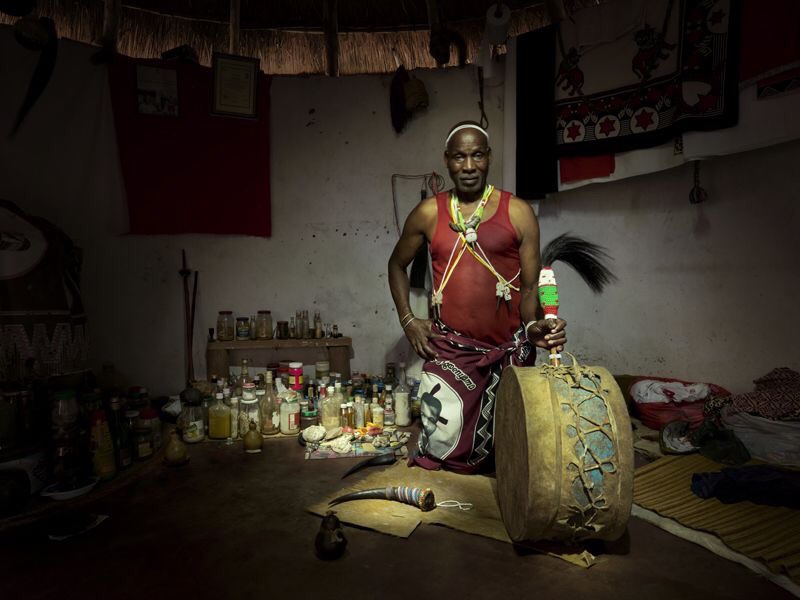
African Spirituality is broad and multi-faceted. Much has been made of the common manifestation of spirituality, that of the diviner or uMngoma or iSangoma. The word comes from the Bantu word ingoma meaning drum or song depending on the language and pronunciation. These healers undergo strict training to enable them to channel the ancestral spirits that are invoked through song that enable them to divine and heal. However there are many different types of healers with various specialities that channel spirits of ancestors from all over Africa. Statistics say 4 out of 5 people consult traditional healers across South Africa across racial lines.

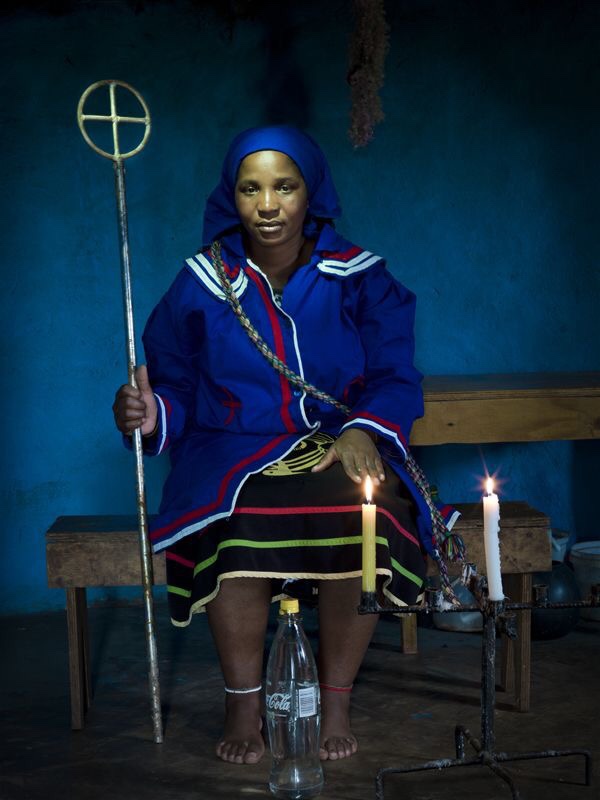
Healers use various technologies to divine, diagnose, prophesy and heal. These includes herbs, roots, plants, seeds, water, sea salt, soil, ash, fire. Divination tools including bones, shells, crystals, carved wooden objects like runes or dominoes etc. Some use mirrors or a bowl of water for divination. Some operate in African independent churches as prophets and prayer warriors (abathandazi) and work mostly with the Bible, Christian songs, candles and water.

Regardless of the nature or origin of the ancestral spirit and how it is initiated, all indigenous healers have psychic gifts like clairvoyance (visions), claircognisance ( knowing), clairaudience (hearing) or clairsentience (feeling)or clairalience (smell) to get information from beyond the physical world in order to effectively carry out their calling to heal.

Spirit guide or Instructor or Gobela, indicated by the black print.
Picture courtesy of Pinterest

To maintain their connection with the divine, healers pray and carry out certain rituals in order to heal and centre themselves. It is important for a healer to maintain a sound body, mind & spirit by any means necessary. Diet, exercise, meditation, prayer help with that. The training & initiation by all accounts is tough. It requires a trained spiritual teacher or mentor known as uGobela. All highly spiritual people are aware of the war between darkness & light & stand at the front line of that battle.

Traditional Healer who carries both Sangoma and Prophetic Gifts.
Picture courtesy of Pinterest

There is a clear distinction between indigenous healers who are light workers and sorcerers that use dark magic. Healers are taught how sorcerers operate in order for them to be able to heal people, in the same way doctors and other medical personnel are trained in what kills people and how, in order to heal them. However all healers must make a choice to work with the light or with darkness. Those that work with the light must be spiritually pure. Unfortunately due to the Witchcraft Suppression Act and religious indoctrination all spiritualists and spiritual practices have been incorrectly labeled as evil.

In my research on spirituality, I’m fascinated by the way South African indigenous healers are incorporating different healing modalities such as meditation, yoga, crystals, astrology, numerology, aromatherapy and colour healing. It dawned on me that this is a natural evolution. Spirit is infinitely wise and powerful and will use any sacred object to accomplish what it needs to. However, all these practices associated with European and Asian spiritual traditions originated in the ancient African kingdom of Kemet in modern-day Egypt which birthed most of the spiritual traditions across the world so in a way it is a return to our indigenous knowledge systems in a modern form.

Crystals. Picture courtesy of Pinterest
Aromatherapy Oils. Picture courtesy of Pinterest
Medicinal Plants. Picture courtesy of Pinterest
Oracle Cards. Picture courtesy of Pinterest

Indigenous African Spirituality is more than just ubungoma or shamanism, beads, snuff & traditional beer. If you live in an urban area, you can’t go to the bush to collect herbs etc. for healing. So it makes sense to use other modalities to balance & heal mind, body & spirit. There is such beauty & diversity in African Spirituality yet what I see is common among genuine indigenous healers is a desire to heal which overshadows any fear or adversity they endure. If what they do is so evil, surely they wouldn’t also be vulnerable to spiritual attacks?

Boity Thulo, South African Celebrity who recently underwent initiation. Picture Courtesy of Pinterest

If you are undergoing a spiritual awakening or have an interest in African Spirituality, there are many healers that offer information and guidance on various social media channels FaceBook, Instagram and YouTube for people needing to consult and aspiring healers. Notable examples include AfroSavvy, Gogo Dineo Ndlanzi and Sangoma Society and Bana Ba Moya on YouTube, Vusi Ngxande’ podcasts on ThokozaDlozi on Instagram. They are also available on Twitter. Research is very important to ensure that you make the most of the healers’ support and avoid unnecessary confusion, drama and trauma on your journey.

The Mark of a Christian Leader

By Nomathemba Pearl Dzinotyiwei

I attended the recently introduced African Contemporary Service at Northrand Methodist Church today. With hymns and choruses sung in IsiXhosa and SeSotho, there’s nothing like worship in African languages. We worshippers are never at a loss, as long as there is music and the Wesleyan Methodist Church is one of the most musical of congregations.

The sermon was an amazing God moment for me, having recently assumed a more senior leadership position. Titled the Marks of a Christian Leader, it was to celebrate the induction into leadership of oMama bo Manyano, the Women’s Fellowship. The ladies were resplendent in their red, white and black uniforms, taking the oath of office to serve in the Executive Committee. Rev. Mntambo was in his element, effortlessly switching from IsiXhosa, to IsiZulu then SeSotho and mixing it with English. He exhorted the ladies to lead like Jesus Christ.

Marks of a Christian Leader

Firstly a leader must build a team, a group of people working together for a common purpose. A leader takes responsibility for every member of the team. After calling the disciples, Jesus was committed to their welfare. In John 17, he prayed for them. You must pray for your team members if you are a Christian leader.

It’s easy to lead with your title, if you have the position and authority. However, it’s not easy to lead by character. People will obey a title but they will follow a character. A leader should be loving, humble, kind and gracious for people to follow. When you lead by title, people will do the work when you are there and stop when you are not there. When people don’t follow you, they speak ill of you when you aren’t there. Lead by character not by title.

When the team members are expected to give 100%, a leader gives 110%. A leader must inspire their followers. The word inspiration comes from the same root word as that of spirit. As a leader you must breathe into people, your life, your character and influence. A leader is one who can show the way to others. If you don’t know the way, find the way. Depend on Jesus, He knows the way, because He is the way, the truth and the life. One shows the way he or she has walked. If it’s uncharted territory, he or she must move forward into the unknown with confidence. Focus on God who has called you and not the situation or other distractions in the environment.

Leadership and Perfection

Leaders are not perfect. Take the example of David, King of Israel who committed adultery, then plotted to have the woman’s husband killed. However God did not remove him from leadership. Paul, a sinner and a zealot who persecuted and arrested Christians was called by God, and became the greatest apostle. Peter, his life was a comedy of errors, saying and doing what was inappropriate all the time. On the mountain when Jesus was praying, he wanted to stay in the glory of God and suggested building 3 shelters, one for Jesus, another for Moses and another for Elijah. When you experience the glory of God, you need to take the glory with you to the valley, to the sick, the lonely, to those that need his love. Don’t keep it for yourself.

What does God require of a Christian Leader?

Firstly, true spirituality. Be filled & controlled by the Holy Spirit. If Jesus depended on the Holy Spirit, who are you not to be? To fill your life with the Holy Spirit you must look upwards like a nestling waiting to be fed. Pray for the Lord to fill you with the Holy Spirit so you may live and lead. Secondly, be humble. Leaders must serve. The greatest shall be the least. God will elevate you. When God calls you to lead, no one can stop you.

What are the Marks of a False Leader?

A false leader joins a group for personal gain. He or she seeks a position for himself or herself. A false leader wants to occupy all positions and doesn’t want anyone else at the top. He or she uses other people as stepping stones to take him or herself to the top. Such leaders causes conflict within the team, and are constantly finding fault with other people.

A True Leader

A true leader led by the Spirit knows how others are feeling. He or she communicates with the people. They do not let problems simmer. If you see a problem deal with it kindly & graciously. A true leader asks what is wrong, not who is wrong. When you blame people for mistakes, your organisation does not grow. True leaders serve, like Jesus, who washed his disciples’ feet. He does not expect to be served. Lead by character and not title so people can follow you.

To Lead Is To Serve (Summerfield Park, Johannesburg 5 November 2017)

By Nomathemba Pearl Dzinotyiwei

Scripture Reading Matthew 23:1-12
“Then Jesus said to the crowds and to his disciples: “The teachers of the law and the Pharisees sit in Moses’ seat. So you must be careful to do everything they tell you. But do not do what they do, for they do not practice what they preach. They tie up heavy, cumbersome loads and put them on other people’s shoulders, but they themselves are not willing to lift a finger to move them. “Everything they do is done for people to see: They make their phylacteries wide and the tassels on their garments long; they love the place of honor at banquets and the most important seats in the synagogues; they love to be greeted with respect in the marketplaces and to be called ‘Rabbi’ by others. “But you are not to be called ‘Rabbi,’ for you have one Teacher, and you are all brothers. And do not call anyone on earth ‘father,’ for you have one Father, and he is in heaven. Nor are you to be called instructors, for you have one Instructor, the Messiah. The greatest among you will be your servant. For those who exalt themselves will be humbled, and those who humble themselves will be exalted.”

http://bible.us/111/mat.23.1-12.niv

Introduction

Jesus talks about the Pharisees and their strict observance of religion. How did they became this way. To understand them better, we need to go back in time.
The Jews were a people set apart with to their belief in one God and their observance of the law.  God gave Moses the Law, who gave it to Joshua, who gave it to the elders, the elders gave it to the prophets and it was passed down by the priests to pthe Pharisees who gave it to the people. Therefore they stood in the place of Moses as teachers of the law.  

The law was first written in the time of David and Solomon from about 1000 BC. The 10 tribes broke away from the northern kingdom of Samaria during the time of King Rehoboam, Solomon’s son. Only tribes of Judah and Benjamin remained in the Southern Kingdom. The Northern kingdom was invaded by Assyria, (Sargon and Sennacherib) and the people carried off into exile in 740 BC. The Southern kingdom was invaded by the Babylonianians in 604 -586 BC.   After this, the priests studied and reinterpreted the law of Moses in the light of the disaster and wrote the books of Deuteronomy and Leviticus, to ensure that people kept the law of the Lord, so that this disaster may never come upon them.   There was the return from Exile in 450BC and the dedication of the Law to ensure that people understood and kept the law. 

The Pharisees took the Study of the law to a whole new level, particularly after, when Antiochus Epiphanes tried to destroy the Jewish religion in 175BC by introducing the Greek religion. He introduced the sacrifice of pigs and set up an idol of Zeus in the temple. This was what was called the abomination that causes desolation.
In response to this, the Pharisees emphasized keeping themselves separate and wrote down and obeyed the letter of the law in order to preserve it. That is how they became purists, regarding the law.  

Main Body

William Barclay writes this of the Pharisees: ‘The Pharisees then were two things. First, they were dedicated legalists; religion to them was the observance of every detail of the Law. But second–and this is never to be forgotten–they were men in desperate earnest about their religion, for no one would have accepted the impossibly demanding task of living a life like that unless he had been in the most deadly earnest. They could, therefore, develop at one and the same time all the faults of legalism and all the virtues of complete self-dedication. A Pharisee might either be a desiccated or arrogant legalist, or a man of burning devotion to God.’ http://www.studylight.com

According to William Barclay, The Talmud described seven kinds of Pharisees:

There was the Shoulder Pharisee. He was meticulous in his observance of the Law; but he wore his good deeds upon his shoulder. He was out for a reputation for purity and goodness. True, he obeyed the Law, but he did so in order to be seen of men. 

There was the Wait-a-little Pharisee. He was the Pharisee who could always produce an entirely valid excuse for putting off a good deed. He professed the creed of the strictest Pharisees but he could always find an excuse for allowing practice to lag behind. He spoke, but he did not do.  

There was the Bruised or Bleeding Pharisee. The Talmud speaks of the plague of self-afflicting Pharisees. These Pharisees received their name for this reason. Women had a very low status in Palestine. No really strict orthodox teacher would be seen talking to a woman in public, even if that woman was his own wife or sister. These Pharisees went even further; they would not even allow themselves to look at a woman on the street. In order to avoid doing so they would shut their eyes, and so bump into walls and buildings and obstructions. They thus bruised and wounded themselves, and their wounds and bruises gained them a special reputation for exceeding piety.

There was the Pharisee who was variously described as the Pestle and Mortar Pharisee, or the Hump-backed Pharisee, or the Tumbling Pharisee. Such men walked in such ostentatious humility that they were bent like a pestle in a mortar or like a hunch-back. They were so humble that they would not even lift their feet from the ground and so tripped over every obstruction they met. Their humility was a self-advertising ostentation.

There was the Ever-reckoning or Compounding Pharisee. This kind of Pharisee was for ever reckoning up his good deeds; he was for ever striking a balance sheet between himself and God, and he believed that every good deed he did put God a little further in his debt. To him religion was always to be reckoned in terms of a profit and loss account.

There was the Timid or Fearing Pharisee. He was always in dread of divine punishment. He was, therefore, always cleansing the outside of the cup and the platter, so that he might seem to be good. He saw religion in terms of judgment and life in terms of a terror-stricken evasion of this judgment.

Finally, there was the God-fearing Pharisee; he was the Pharisee who really and truly loved God and who found his delight in obedience to the Law of God, however difficult that it might be. Of the seven, six were all about the show, only one truly delighted in God’s law and in obedience.  

Leadership is a form of service. The purpose of a leader is to provide a vision, guidance, direction, to motivate and encourage people to do great things and be great.
The Pharisees were leaders in Israel. They played a every important role, to bring people closer to God, through teaching them to obey the law as an act of love for God.  They failed, because their leadership was self-serving. Matthew 15:8-9 says, ‘these people honour me with their lips but their hearts are far from me. They worship me in vain; their teachings are merely human rules.’ Jesus condemned them, because their obedience to the law was not out of love for God, for the most part.  

Jesus deplores the hypocrisy of the Pharisees. The word hypocrite comes from a Greek word: hupocrites which means to wear a mask and play a role. It was all an act, all for show. So he says do as they say, i.e. Obey the law, but, not as they do, i.e. to make a great show of their obedience.  Jesus encourages the disciples to be humble and serve each other. He illustrates this by washing their feet. He led by example, and performed miracles and taught the word out of love for God, not to be seen by men. He continued in his service unto death, even when his disciples had abandoned him. He was genuine, not playing a role.  

There is a lot of talk about leadership these days. But there is a growing recognition of effective leadership as being a role that serves a purpose. If we bring it back to our country, we lack leadership in business and in politics and even in some churches, because the actions of the leadership are self -serving. We have leaders who:

o Want to be rich and live lavishly at all costs

o Are prepared to subvert justice and bend the law in pursuit of power and wealth to keep their ill-gotten gains,

o Persecute those who speak out against them

o Love the limelight, always posting on social media

o They spout ideology, anti-crime, anti-corruption, etc. Lots of talk, no action, so they do not practice what they preach.

King Solomon writes in Ecclesiastes that there is nothing new under the Sun. Even in Old Testament times, priests were expected to serve God and their to lead the people. The Lord killed both of Eli’s sons Hophni and Phineas because they abused their positions as priests. When Eli died, he was replaced by Samuel. Samuel was tireless in his service.
What God desires is obedience, not sacrifice (1 Samuel 15.22) and service to others out of love. Do nothing out of selfish ambition. Consider others better than yourself (Philippians 2.3)  

Conclusion

True leadership is an act of service, to God and to Men. If you are in a position of leadership, ask yourself whom are you serving?
If you want people to follow you, you must serve them, Jesus does so much for people. As a result huge crowds followed him.  How does your leadership serve the purpose of God. How does it serve those whom you lead? I encourage all of us to model our leadership according to the pattern of Jesus Christ and to ask the Holy Spirit to guide us . Let us pray for all our leaders to be authentic and humble, to have a sevant’s heart and a teachable spirit, subject to the authority of God. Only then can we live in peace and prosperity in harmony with God and with each other.