The Season of Ma’at: Returning to Divine Order July 23 – August 22

AI -Generated Image

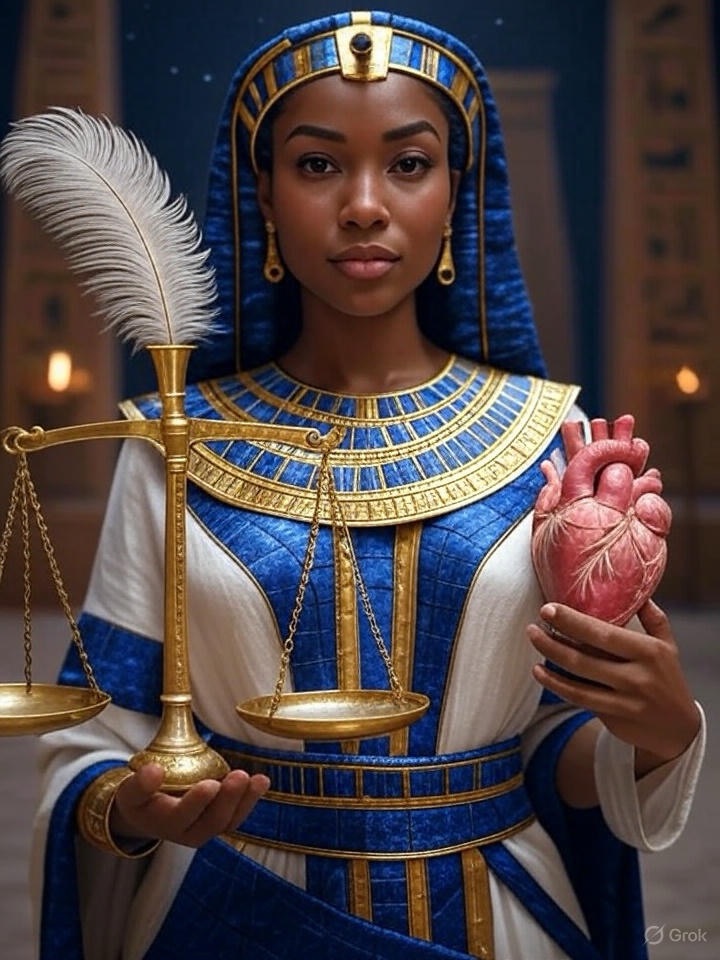
As the blazing sun steadies and the winds of inner chaos settle, we enter the sacred Season of Ma’at—a time of harmony, balance, truth, and divine justice. In the Kemetic (Ancient Egyptian) spiritual calendar, this period marks the return to order after the wild, stormy energies of Set, the god of chaos, disruption, and upheaval.

Where the Season of Set invited us to confront our shadows, dismantle illusions, and release what no longer serves, the Season of Ma’at is the great rebalancing—an energetic and spiritual recalibration. It is the moment when the scales are brought out, and we are invited to weigh our lives, our choices, and our hearts.

🌟 Who Is Ma’at? The Divine Principle of Balance

In Kemet (Ancient Egypt), Ma’at is not only a goddess but a cosmic law—a principle etched into the very fabric of existence. She governs:

Truth, Justice, Divine Order, Harmony, Reciprocity, Balance.

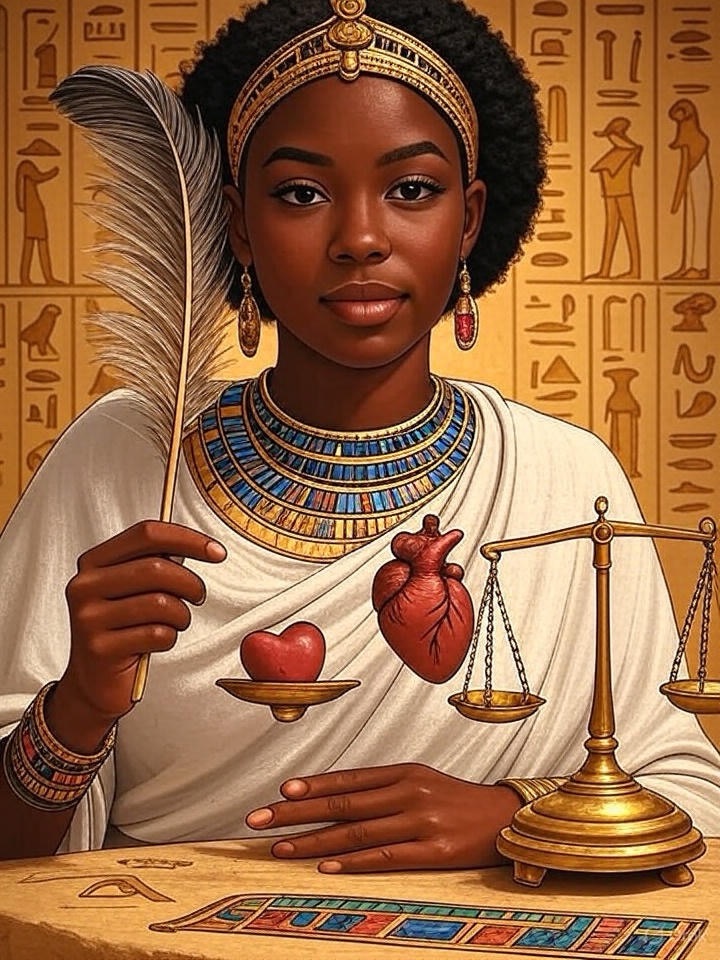
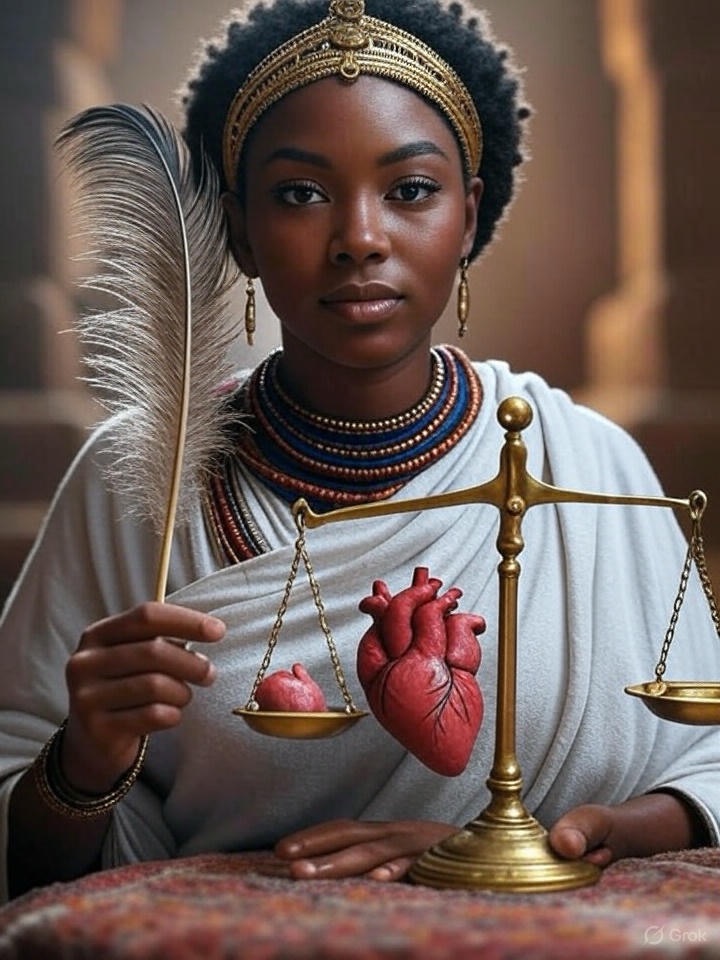
Often depicted with an ostrich feather on her head, Ma’at’s feather became the ultimate symbol of spiritual integrity. Upon death, one’s heart was weighed against this feather. A heavy heart—burdened with wrongdoing, lies, or selfishness—would not pass into the afterlife. A light heart, aligned with Ma’at, could journey forward in peace.

🕊 The 42 Negative Confessions of Ma’at

Before the Ten Commandments, before the Golden Rule, there were The 42 Negative Confessions—a sacred set of moral declarations recited by the soul before the Divine Tribunal in the Hall of Ma’at. Each begins with the phrase:

“I have not…”

(…done harm, …stolen, …lied, …caused grief, …polluted the waters, etc.)

These were not mere prohibitions. They were spiritual affirmations of a life lived in alignment with divine law.

Here are a few examples:

I have not committed sin.

I have not made people weep.

I have not polluted myself.

I have not stolen from the poor.

I have not caused terror.

I have not acted with arrogance.

I have not disrespected sacred spaces.

These confessions emphasized ethical conduct, social responsibility, humility, and environmental stewardship. In later history, these principles would echo through Moses’ Ten Commandments, drawing clear inspiration from the ancient African wisdom that preceded it.

🌀 From Chaos to Calm: The Spiritual Energy of the Season

AI-Generated Image

In the Season of Set, life feels like a whirlwind. Old beliefs are shattered. Relationships shift. Egos clash. Truths are exposed. It is necessary—but exhausting.

Now, Ma’at invites us to breathe again. To recalibrate. To choose peace, not just in theory, but in practice.

This is a season for integrity, for restoring what was lost or broken during the storm. It’s a time to align our inner world with cosmic law—as above, so below. Just as the River Nile settles after flooding, so too must we settle our minds, hearts, and spirits.

🛕 How to Align with the Energy of Ma’at

Here are sacred practices and reflections to help you walk in Ma’at this season:

1. Self-Reflection & Ethical Inventory

Review the 42 Negative Confessions. Ask yourself: Where am I living in integrity? Where am I out of alignment? This is not about shame—it’s about refinement.

2. Balance the Scales

Where have you overextended yourself? Where have you held back from giving? Restore balance in your relationships, your finances, your time, and your self-care.

3. Speak the Truth with Compassion

Ma’at governs truth. But truth without grace becomes a weapon. Be honest—but also kind.

4. Declutter Your Life

Order is sacred. Clean your home. Organize your schedule. Simplify your commitments. Create space for divine order to flow.

5. Restore Justice

If you’ve wronged someone, make amends. If you’ve witnessed injustice, speak up. If you’ve neglected your own needs, restore justice to yourself.

6. Feather Ritual

Write down what is weighing on your heart—regret, guilt, fear. Then burn or bury the paper with a feather, declaring: “I release this burden and walk in Ma’at.”

🌕 Closing Reflection: A Heart as Light as a Feather

This is the season to become light-hearted in the truest sense—not through distraction or denial, but through spiritual discipline, ethical living, and sacred alignment.

May your heart be as light as Ma’at’s feather.

May your spirit rest in divine balance.

May you walk in truth.

May justice be your compass.

And may harmony bless everything you touch.

🌿 Journal Prompts for the Season of Ma’at

Where in my life am I being called to restore order?

What truths have I been avoiding or suppressing?

What does living in integrity mean for me today?

Which of the 42 confessions speaks most to my current season?

How can I create balance between my inner world and outer commitments?

Healing the Wounds We Cannot See: Energy, Ancestral Trauma, and Karma

AI -Generated Image

There are things we carry that we cannot name.

This week, I learned something profound about the invisible weight many of us bear: energy, trauma, ancestors, and karma. These forces shape our lives in ways we are only beginning to understand.

🌿 Energy is the force of life.

It is what animates us, fuels our emotions, drives our thoughts, and shapes our responses to the world. But when something painful happens and we don’t have the space, time, or tools to process it, that energy gets trapped. It becomes trauma.

💔 Trauma is not just the event—it’s the residue.

It lives in the body long after the moment has passed. Left unhealed, it can manifest as anxiety, depression, chronic illness, or inexplicable emotional turmoil. Some define emotions as “energy in motion.” If not released, they stagnate—creating emotional and physical blockages.

👣 Ancestral trauma runs deep.

The unhealed wounds of our forebears do not simply disappear with their passing. We carry up to 14 generations of memory in our DNA. That suicide that haunts your family line? That pattern of abandonment, illness, or addiction? It might not be yours alone.

🔁 Karma is memory in motion.

Karma is not only what we create—it’s what we inherit. It’s the echo of unresolved choices playing out through us until someone breaks the cycle. When you are spiritually gifted, the responsibility to heal your lineage often falls on you.

When this manifests as physical or mental illness, this is known among the Nguni people as “ingulo yamadlozi”—the illness of the ancestors. You are the one they chose. The one with the power to heal them and set them free.

🌕 Healing begins with truth.

You must speak what was silenced. Mourn what was denied. With the right rituals, therapy, and intention, you can break the chain. When you heal, you raise your vibration. You free the ancestors. You restore harmony.

🧬 Your healing is not selfish.

It is revolutionary. It is generational. It is spiritual. You are becoming the ancestor your descendants will thank.

📝 Journal Prompts for Ancestral Healing

What pain or pattern has repeated in my family across generations?

Which of my current struggles might not begin with me?

What emotions or memories feel “inherited” rather than personal?

What ancestral stories or silences do I carry?

What would it feel like to be free from this cycle?

What do I need to release to begin the healing?

Who in my lineage do I feel called to honour, forgive, or speak to?

🧘🏾‍♀️ Guided Meditation: Healing Your Bloodline

Find a quiet space. Light a candle if you wish. Sit or lie down comfortably. Close your eyes.

Breathe in slowly through your nose… and exhale gently through your mouth.

Again… in… and out.

Feel your body softening with each breath.

Now visualize a long red thread flowing from your heart down into the earth… and through the soil into the hearts of those who came before you.

See your mother… her mother… and her mother before her.

See your father… his father… and his father before him.

You don’t need to know their names. Just feel the connection.

Say silently or aloud:

“I honour the pain you carried.

I acknowledge the burdens you bore.

I release the parts of it I no longer need to carry.

I am ready to heal, and in healing, I free us all.”

Pause. Breathe. Let the energy shift.

Visualize that red thread pulsing with light… as the pain dissolves and is replaced by love, gratitude, and freedom.

When you are ready, bring your awareness back to your body. Wiggle your fingers and toes. Open your eyes.

Do the meditation as for as long and for as often as you need to.

Let the healing begin.

The Forgotten Prophets: Reclaiming the Wisdom of the Sibyls

AI – Generated Image

What if the stories you’ve been told about God, power, prophecy, and the origins of spirituality were deliberately altered—erasing the truth of Africa’s sacred feminine legacy?

In The Sibyls, Mama Zogbé uncovers a truth buried beneath centuries of conquest, colonization, and religious rebranding: that the original prophets, miracle-workers, and spiritual guides of the ancient world were African women.

These women—queens, priestesses, healers—were known as Sibyls.

The Rise and Erasure of the Sibyls

The Sibyls were not myth. They were real, powerful women who spoke prophecies, healed bodies and nations, and built spiritual cities and temples in Africa, Europe, and Asia Minor long before the birth of Christ.

But history, as it is told by the victors, changed everything.

Their temples were destroyed. Their writings were plagiarized. They were rebranded as witches. Their divine feminine power was replaced with patriarchal control.

Even African men, under pressure or ambition, betrayed them—looting their sanctuaries and forcing them into exile. And when they fled to Europe and Asia, they were hunted there too.

Stolen Stories, Whitewashed Myths

The theft didn’t stop at physical destruction. The spiritual knowledge of the Sibyls was appropriated and repackaged by empires like Greece and Rome:

The gods of Olympus were originally African deities. Homer’s Odyssey was a plagiarism of the Ethiopian Sibyl Eriphyle’s prophecies. Helen of Troy, famed for her beauty, was a Black woman. Even the name Europa belonged to one of the Sibyls.

Art, poetry, and theology were all employed to elevate male, white divinity and erase the divine feminine of African origin.

The Roman Church and the Goddess in Disguise

When Christianity rose under Constantine, the persecution intensified. Temples were torched. Priestesses were killed or sold into slavery. Yet the divine feminine survived—hidden in plain sight.

The Vatican, built on the ruins of a Sibyl temple, still whispers the old truths. The Black Madonna, venerated in secret even today, is none other than the African goddess Isis—uNomkhubulwane.

Even the Catholic prayer “Hail Mary” reflects this hidden reverence for the mother of God—a divine title first held by the Sibyls.

A Lineage of Power and Prophecy

AI -Generated Image

Many African women today—especially indigenous healers and abangoma—carry the same spiritual gifts. They divine with bones, shells, and dice. They dream of snakes, water, suns, and animals. They heal through trance, dance, and ancestral connection.

These are the markers of a Sibyl’s bloodline.

King Saul sought a Sibyl, Herophile, when God’s voice grew silent. Roman emperors, including Augustus, honored them. And the 7 churches in Revelation? Not Christian institutions—but temples of the Great Mother.

Reclaiming Our Truth

The erasure of the Sibyls is not just a historical injustice. It is a spiritual theft that disempowered generations of women, rewrote sacred texts, and weaponized religion.

But the truth is awakening.

To read ‘The Sibyls’ is to remember. To remember is to reclaim. And to reclaim is to heal.

As Jesus said:

“You shall know the truth, and the truth shall set you free.”

For reflection:

What gifts or dreams have you inherited through your maternal line?

Have you ever felt a spiritual calling that defied traditional religious narratives?

How would your spirituality transform if you truly believed the sacred feminine dwelled within you?

The legacy of the Sibyls has not gone forever. It lives in the DNA of every spiritually gifted child, male or female who is descended from these ancient priestesses of the divine. As we rise in consciousness and elevate spiritually, we align with the same divinity. Allow that heritage to ground and transform you.

Unboxing Spirituality—A Return to Sound, Purpose, and Universal Connection

AI – generated image

Lately, I’ve found myself revisiting what spirituality means—beyond titles, traditions, and timelines. We’re living in an era of spiritual awakening, but also one of immense confusion. Everyone is searching, naming, defining, and categorizing. But in all the noise, perhaps we’ve forgotten something simple and profound: spirituality is universal.

We Are All Divine Beings

Picture Courtesy of Pinterest

Every one of us comes into this world with a unique combination of gifts, a mission, and a life purpose. These are not the same things, though they are often confused.

Your mission is what your soul came here to accomplish—perhaps to teach, to heal, to uplift. Your life purpose is broader—it includes your roles as a daughter, a parent, a partner, a professional. These roles help shape and stretch your soul toward its highest evolution.

This is why not everyone has to quit their job and become a spiritual healer. You might be fulfilling your mission right now—just by listening to someone at work, helping them feel seen and supported. In that moment, you are healing. Mission accomplished.

Purpose Doesn’t Always Look Grand

There’s so much pressure these days to “find your purpose.” It’s a buzzword that has become burdensome. But what if you’re already living your purpose, right here, right now?

Your unique mission is expressed through your gifts and the context of your life. For some, that looks like full-time spiritual work. For others, it’s parenting with compassion, creating art, or leading with integrity in boardrooms. It is not one-size-fits-all.

Culture Is a Vehicle, Not a Cage

Original Photograph by Nomathemba Pearl Dzinotywei

Culture is man-made—it creates belonging, language, rituals. But we must be careful not to mistake cultural expressions for spiritual absolutes.

Across the world, one thing is consistent: music. Every spiritual tradition incorporates sound—clapping, drumming, singing, chanting. Why? Because sound is the language of the universe. Whether you’re calling on your ancestors, meditating with a mantra, or praising through gospel, you are tuning into the same divine frequency.

We are all what the Nguni people call abantwana abengoma—children of song.

Spirituality Is Bigger Than Labels

The moment we begin to label and box spirituality, we limit its expression and stunt our evolution. Your ancestors may have walked a different path than the one you now walk—but that does not make your path any less valid. Elevation comes when we release judgment and allow ourselves to learn from different traditions.

Spirituality is not meant to be a battleground of who is “more African,” “more woke,” or “more correct.” It’s a journey of remembering who you are—without fear, without shame, and without borders.

Reflection Questions:

What is your soul’s mission?

Where are you already fulfilling your purpose in quiet, uncelebrated ways?

What spiritual sounds or music speak to your soul?

Affirmation:

I am a divine being, walking in purpose, guided by love, and connected through song.

Let’s keep the conversation going. What does spirituality mean to you beyond religion or tradition? Share your truth with #ChildrenOfSong or tag me on X on @NomaDzino.

Wolves in Robes: Discernment in the Age of Spiritual Deception

By Nomathemba Pearl Dzinotyiwei

AI-Generated Image

Good morning, beloved. Today, we touch a tender, often buried wound—the betrayal many have experienced at the hands of those who claimed to represent God. Some of us trusted them with our hearts, our pain, and our purpose, only to be left spiritually bruised and disillusioned. It is time we speak honestly.

Not All That Glitters Is Godly

The idea that Satan plants agents in churches—men and women dressed in robes and uniforms, holding titles like bishop, prophet, and minister—is deeply unsettling, but it explains the evil we sometimes witness cloaked in holy garb. The trauma inflicted by these imposters cuts deep, especially because the harm is done in the name of God.

Let us be clear: a title does not make one holy. A robe does not sanctify. We are all called to pursue holiness and to work out our salvation with reverence and discernment.

Test the Spirits: A Divine Command

As written in 1 John 4, we must test every spirit to determine whether a servant is led by the Holy Spirit or by something else entirely. The tools are simple but sacred—daily study of the Bible, intentional prayer, and the guidance of the Holy Spirit.

After each sermon, revisit the scripture preached. Use cross-references, study notes, and prayer to seek deeper understanding. Don’t be swayed by emotional manipulation or out-of-context verses. Even Satan used scripture to tempt Jesus in the wilderness. That same tactic is used today in pulpits around the world.

Faith for Sale?

Beware the wide gate of spiritual entertainment and empty motivation. If the Word never convicts you of sin or leads you toward repentance, be cautious. Some churches shy away from preaching against pride and greed because they rely on the wealthy for offerings. Others demand “seed sowing” in exchange for miracles—yet Jesus never charged the poor or the rich for healing.

Let us remember: the Holy Spirit is not for sale.

Misplaced Worship

There will come a day when some will cry, “But I gave money to the church,” only to find themselves outside the gates of heaven. Why? Because they worshipped pastors and buildings—not God. Let us not be deceived into idolatry disguised as devotion.

As 1 Timothy 5:8 reminds us: “Anyone who does not provide for their relatives, and especially for their own household, has denied the faith and is worse than an unbeliever.” Many churches would rather you ignore this truth while you give your last cent.

African Spirituality and the War on Identity

A more insidious deception lies in the demonisation of African spirituality. Many Christians have been taught that their culture is evil, leading to emotional, spiritual, and even financial oppression. But few who denounce ancestral practices have ever brewed traditional beer, performed libations, or participated in rituals with understanding. They speak from ignorance.

Yes, some have been harmed by dark practices and must walk the Christian path for their safety and sanity. But others receive instruction from ancestors—through dreams, visions, or seers—to walk with God while honouring their heritage. It’s not one-size-fits-all.

Even Deuteronomy 18:10, often quoted against traditional practices, must be understood in context: it was a specific instruction to exiled Jews in Babylon. Much of African spirituality, with its rituals and sacrifices, aligns more closely with the Mosaic law than we are led to believe.

Grace, Culture, and Spiritual Warfare

Jesus did not abolish the law; He fulfilled it. The Holy Spirit came to intercede, comfort, and empower us. Living under grace doesn’t mean we must abandon our culture. What matters is this: Do our practices honour universal spiritual law? Do they harm others?

Those chosen as seers and indigenous healers must still pray, fast, and wage war in the spirit. Rituals alone are not enough—we must align with both our ancestral calling and the power of the Holy Spirit.

Final Word

This is a call to discernment. A call to deepen your study, guard your spirit, and walk boldly in both faith and truth. There is no room for spiritual laziness in a world where deception dresses itself in holiness.

Let the Spirit lead you. Let the Word ground you. And let your heritage be a bridge to your destiny, not a barrier.

Sex, Spirit, and Soul Ties: A Conversation We Must Have

By Nomathemba Pearl Dzinotyiwei

AI-Generated Image

Reading through the #My1stSexualExperienceWas hashtag reveals just how much pain and confusion still surround sex, particularly for women. It is a haunting reminder that our society has failed to teach the full story of what sex is—not just biology and “don’t get pregnant” warnings, but the emotional, spiritual, and psychological dimensions that linger long after the act is over.

Centuries ago, African cultures had initiation schools to prepare young people for adulthood. These were sacred spaces that taught not only about physical maturity but also about emotional intelligence, responsibility, boundaries, and the sacredness of intimacy. It’s time we return to a holistic model of sex education—one that honours the full humanity of both boys and girls.

Sex Is More Than a Physical Act

AI-Generated Image

Sex is sacred. It’s powerful, someone once wrote: ‘sex can create a memory, make a baby or generate a disaster.’ It connects two people not only physically but emotionally and spiritually. It creates ties—some healing, some harmful. In the right context—between two people who love and respect each other—sex can be affirming and deeply pleasurable. But when used as a tool of manipulation or taken without mutual consent, it becomes a source of spiritual damage.

This is not just poetic metaphor. It’s spiritual reality. During sex, we exchange DNA and spiritual energy. If your partner is emotionally broken or spiritually dark, that energy can pass into you. If they are entangled with other partners, you can be exposed to those energies too—without even knowing it.

Soul Ties and Spiritual Attachments

AI-Generated Image

Have you ever felt an inexplicable longing for someone who hurt you? Or found yourself unable to move on, even though your mind knows better? That’s the power of a soul tie—a spiritual connection that keeps you bound to someone, often through trauma bonding. It’s one of the reasons why narcissists love-bomb, rush intimacy, and then abandon you. They know that once a sexual bond is created, it becomes harder for you to leave.

Breaking up, divorcing, or even mourning a partner who has died doesn’t automatically sever the spiritual tie. Rituals, prayers, and conscious detachment are often needed to truly be free.

The Energetics of Sex

Sex releases energy—life force energy. That’s why you feel physically drained afterwards. Workers of darkness know this and use sex in rituals to harness that energy. Some even go as far as collecting bodily fluids to be used in harmful spiritual practices. Women have traditionally been taught to wash or cleanse after sex, not just for hygiene, but for spiritual protection.

If your partner is involved with others, spiritual harm can come to you from people you’ve never met—through the ties your partner maintains. This is not superstition. It’s spiritual science.

Reclaiming Sacred Sexuality

We must reclaim sex as something sacred. This means:

Teaching young people about consent, respect, and pleasure. Helping women know their bodies and communicate their needs. Ensuring boys understand emotional responsibility and that intimacy is not conquest. Encouraging discernment over casual encounters—not from shame, but from awareness.

Men need to understand that female arousal is not instant. It requires emotional connection, trust, and safety. And women need to stop being policed by outdated patriarchal norms that protect male predatory behaviour, while shaming female agency.

In Conclusion

Sex is not something to fear—but it is something to respect. It can build or destroy, heal or harm, elevate or enslave. We owe ourselves—and our children—a deeper conversation.

Let’s talk. Let’s teach. Let’s heal.

Reflection Questions

Have I ever felt spiritually tied to someone after intimacy? What rituals or practices help me cleanse and reclaim my energy? How can I teach or model holistic sexuality in my community?

Affirmation

I honour my body, my spirit, and my sacred energy. I choose love, truth, and protection.

Conclusion: A Call for Holistic Education

Holistic sex education must address the physical, emotional, and spiritual dimensions of intimacy. It should teach children about the joys and responsibilities of sex, emphasizing love, respect, and mutual pleasure. Conversations about consent, boundaries, and self-respect are crucial, as are discussions about the risks of harmful relationships and spiritual entanglements.

By fostering open, honest conversations, we can empower future generations to make informed choices about their bodies and relationships. The goal is not just to prevent harm but to celebrate the transformative power of intimacy when shared with love and respect.

African Indigenous Healing & Alternative Healing Modalities

By Nomathemba Pearl Dzinotyiwei

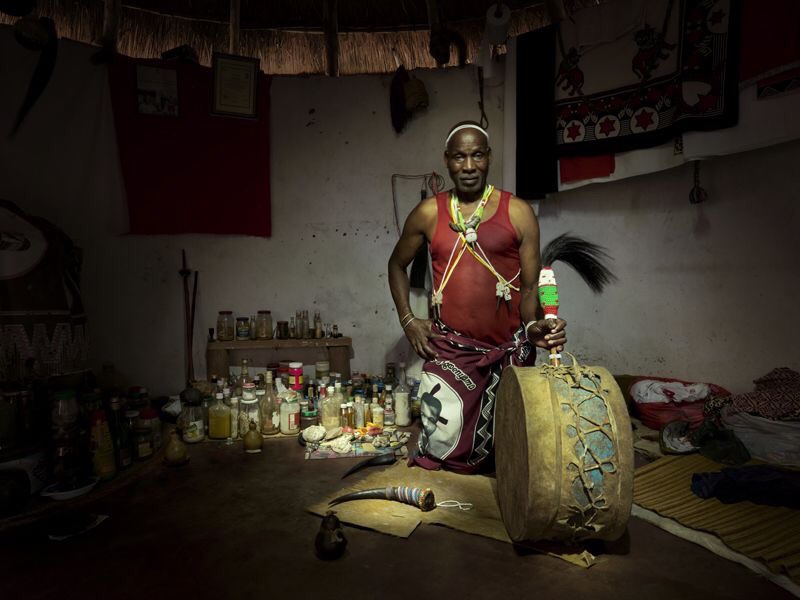
Isangoma African Indigenous Healer. Picture courtesy of Pinterest

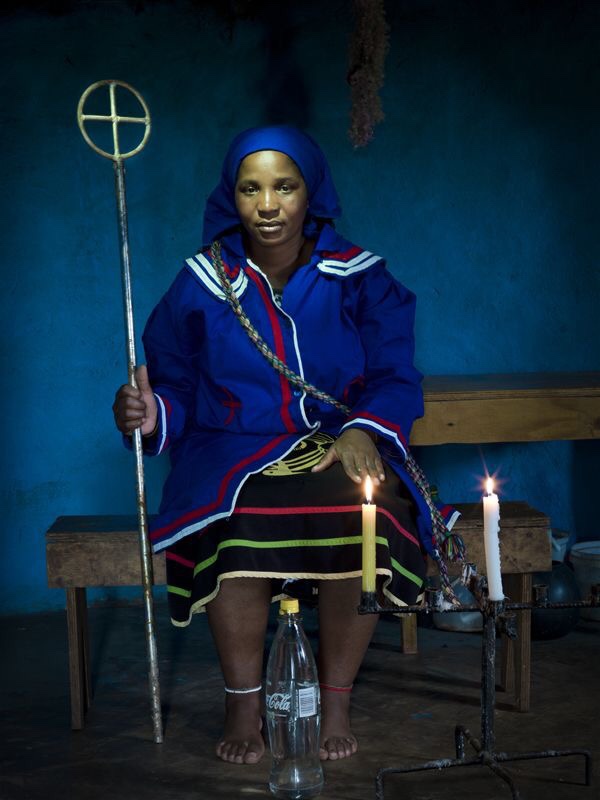
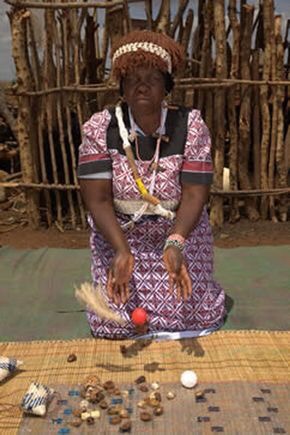
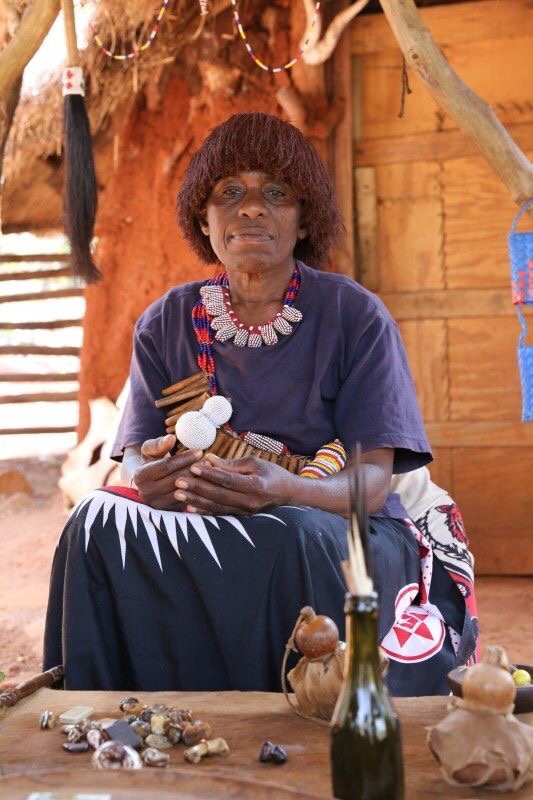
African Spirituality is broad and multi-faceted. Much has been made of the common manifestation of spirituality, that of the diviner or uMngoma or iSangoma. The word comes from the Bantu word ingoma meaning drum or song depending on the language and pronunciation. These healers undergo strict training to enable them to channel the ancestral spirits that are invoked through song that enable them to divine and heal. However there are many different types of healers with various specialities that channel spirits of ancestors from all over Africa. Statistics say 4 out of 5 people consult traditional healers across South Africa across racial lines.

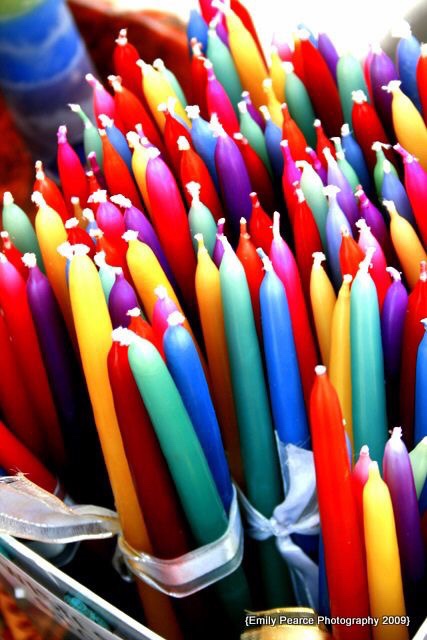
Healers use various technologies to divine, diagnose, prophesy and heal. These includes herbs, roots, plants, seeds, water, sea salt, soil, ash, fire. Divination tools including bones, shells, crystals, carved wooden objects like runes or dominoes etc. Some use mirrors or a bowl of water for divination. Some operate in African independent churches as prophets and prayer warriors (abathandazi) and work mostly with the Bible, Christian songs, candles and water.

Regardless of the nature or origin of the ancestral spirit and how it is initiated, all indigenous healers have psychic gifts like clairvoyance (visions), claircognisance ( knowing), clairaudience (hearing) or clairsentience (feeling)or clairalience (smell) to get information from beyond the physical world in order to effectively carry out their calling to heal.

Spirit guide or Instructor or Gobela, indicated by the black print.
Picture courtesy of Pinterest

To maintain their connection with the divine, healers pray and carry out certain rituals in order to heal and centre themselves. It is important for a healer to maintain a sound body, mind & spirit by any means necessary. Diet, exercise, meditation, prayer help with that. The training & initiation by all accounts is tough. It requires a trained spiritual teacher or mentor known as uGobela. All highly spiritual people are aware of the war between darkness & light & stand at the front line of that battle.

Traditional Healer who carries both Sangoma and Prophetic Gifts.
Picture courtesy of Pinterest

There is a clear distinction between indigenous healers who are light workers and sorcerers that use dark magic. Healers are taught how sorcerers operate in order for them to be able to heal people, in the same way doctors and other medical personnel are trained in what kills people and how, in order to heal them. However all healers must make a choice to work with the light or with darkness. Those that work with the light must be spiritually pure. Unfortunately due to the Witchcraft Suppression Act and religious indoctrination all spiritualists and spiritual practices have been incorrectly labeled as evil.

In my research on spirituality, I’m fascinated by the way South African indigenous healers are incorporating different healing modalities such as meditation, yoga, crystals, astrology, numerology, aromatherapy and colour healing. It dawned on me that this is a natural evolution. Spirit is infinitely wise and powerful and will use any sacred object to accomplish what it needs to. However, all these practices associated with European and Asian spiritual traditions originated in the ancient African kingdom of Kemet in modern-day Egypt which birthed most of the spiritual traditions across the world so in a way it is a return to our indigenous knowledge systems in a modern form.

Crystals. Picture courtesy of Pinterest
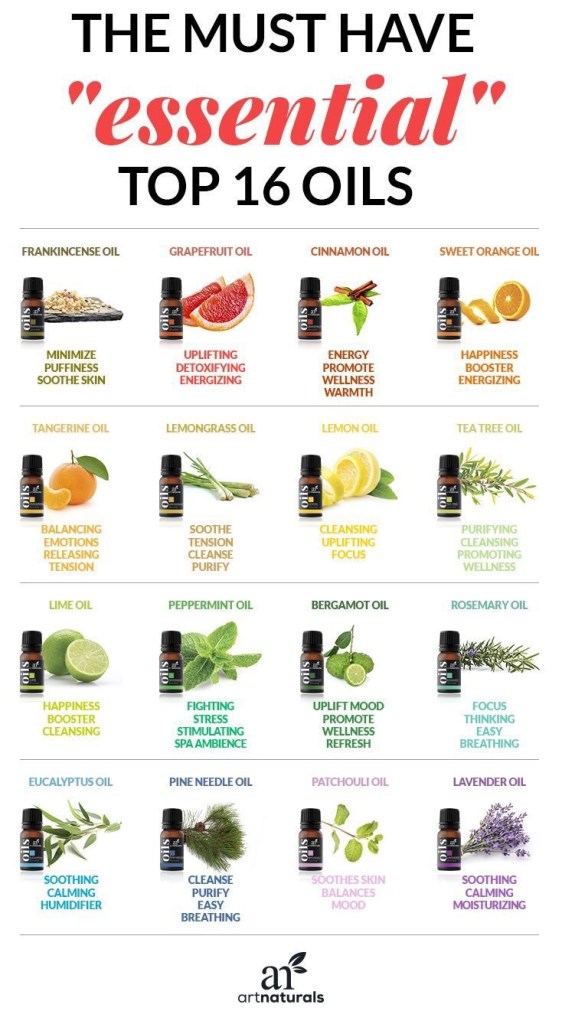
Aromatherapy Oils. Picture courtesy of Pinterest
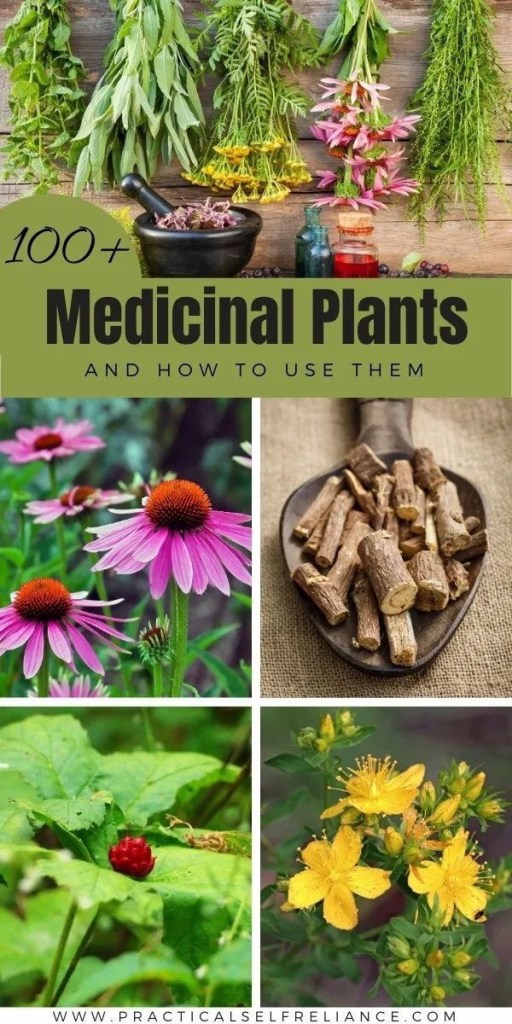
Medicinal Plants. Picture courtesy of Pinterest
Oracle Cards. Picture courtesy of Pinterest

Indigenous African Spirituality is more than just ubungoma or shamanism, beads, snuff & traditional beer. If you live in an urban area, you can’t go to the bush to collect herbs etc. for healing. So it makes sense to use other modalities to balance & heal mind, body & spirit. There is such beauty & diversity in African Spirituality yet what I see is common among genuine indigenous healers is a desire to heal which overshadows any fear or adversity they endure. If what they do is so evil, surely they wouldn’t also be vulnerable to spiritual attacks?

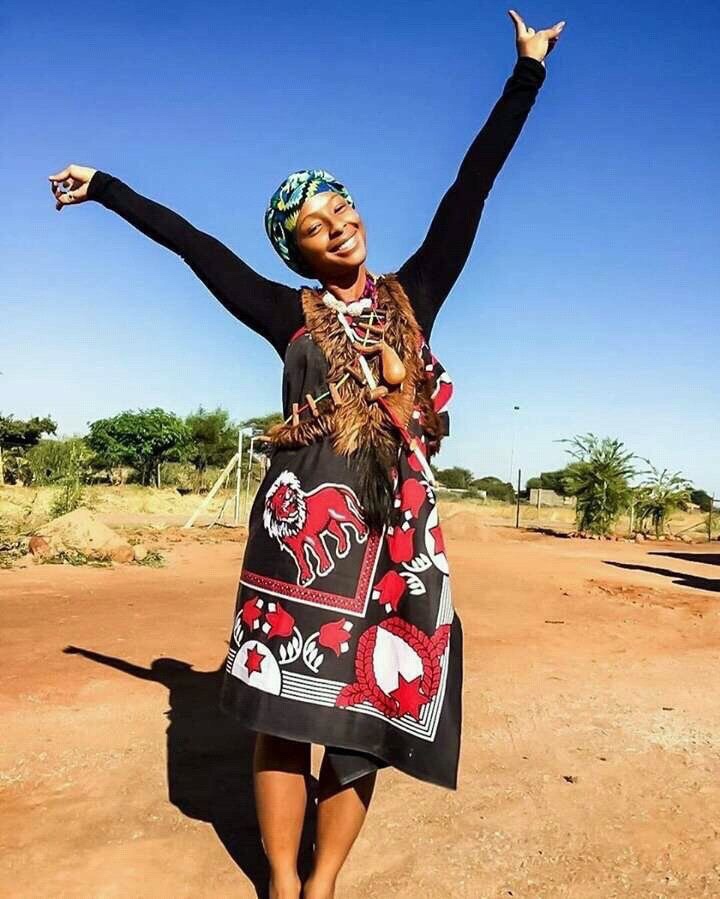
Boity Thulo, South African Celebrity who recently underwent initiation. Picture Courtesy of Pinterest

If you are undergoing a spiritual awakening or have an interest in African Spirituality, there are many healers that offer information and guidance on various social media channels FaceBook, Instagram and YouTube for people needing to consult and aspiring healers. Notable examples include AfroSavvy, Gogo Dineo Ndlanzi and Sangoma Society and Bana Ba Moya on YouTube, Vusi Ngxande’ podcasts on ThokozaDlozi on Instagram. They are also available on Twitter. Research is very important to ensure that you make the most of the healers’ support and avoid unnecessary confusion, drama and trauma on your journey.

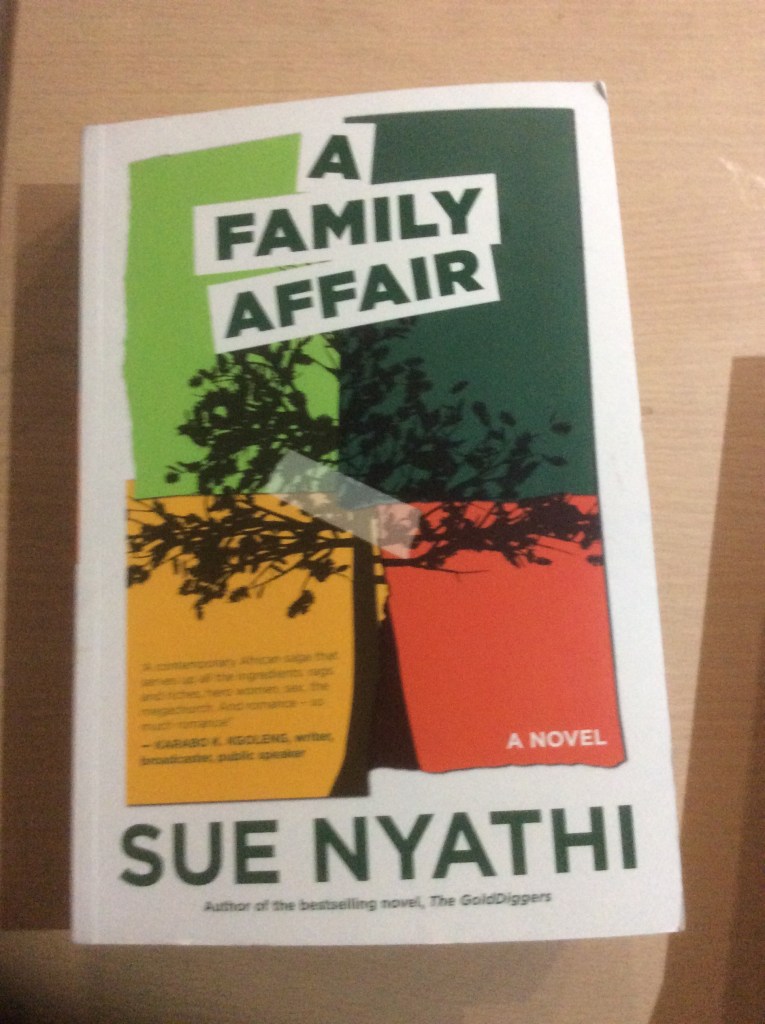
Book Review: A Family Affair By Sue Nyathi

By Nomathemba Pearl Dzinotyiwei

I’ve been saving Sue’s latest novel for a time when I have time to read uninterrupted. The wait was well worth it. There is always a temptation to retell the story when you enjoy it so much. This family saga set in Bulawayo has all the elements of a bestseller. It’s good to finally read a family saga in the tradition of Barbara Taylor Bradford in an African setting. Having lived in Harare and visited Bulawayo it brought back memories of growing in Zimbabwe before the economic collapse.

Sue’s characters and settings are completely relatable. We all have the black sheep sibling, the meddling aunt, the feckless uncle and delinquent teenage and religious fundamentalists to keep everyone in line. Sue manages to convey the pathos and despair of sexual and physical abuse, dire financial straits and the choices people make in desperation to survive and hold onto the people they love while weaving all of it into a great story.

She deftly portrays contemporary social issues such as the modern mega churches where people turn to faith in God to ease the pain and despair and find solutions for issues in their lives. Conservative views about women, their sexuality and relationship choices are also a key theme as the family grapples with the issue of unwed motherhood, separation and divorce in the lives of their three daughters. A man’s sexual sins are not judged with the same severity. Interestingly it’s the women who are more vocal and judgmental about what constitutes appropriate behaviour.

I enjoyed every page. I would recommend you read this and her other books Polygamy and Gold Diggers.

The Mark of a Christian Leader

By Nomathemba Pearl Dzinotyiwei

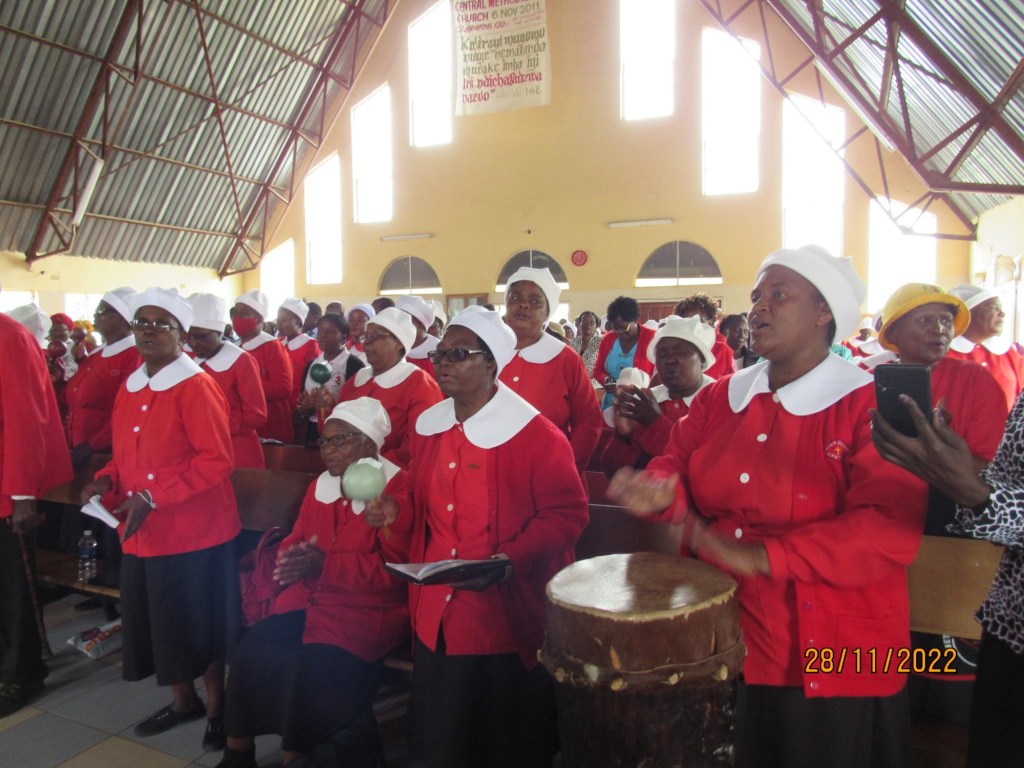
I attended the recently introduced African Contemporary Service at Northrand Methodist Church today. With hymns and choruses sung in IsiXhosa and SeSotho, there’s nothing like worship in African languages. We worshippers are never at a loss, as long as there is music and the Wesleyan Methodist Church is one of the most musical of congregations.

The sermon was an amazing God moment for me, having recently assumed a more senior leadership position. Titled the Marks of a Christian Leader, it was to celebrate the induction into leadership of oMama bo Manyano, the Women’s Fellowship. The ladies were resplendent in their red, white and black uniforms, taking the oath of office to serve in the Executive Committee. Rev. Mntambo was in his element, effortlessly switching from IsiXhosa, to IsiZulu then SeSotho and mixing it with English. He exhorted the ladies to lead like Jesus Christ.

Marks of a Christian Leader

Firstly a leader must build a team, a group of people working together for a common purpose. A leader takes responsibility for every member of the team. After calling the disciples, Jesus was committed to their welfare. In John 17, he prayed for them. You must pray for your team members if you are a Christian leader.

It’s easy to lead with your title, if you have the position and authority. However, it’s not easy to lead by character. People will obey a title but they will follow a character. A leader should be loving, humble, kind and gracious for people to follow. When you lead by title, people will do the work when you are there and stop when you are not there. When people don’t follow you, they speak ill of you when you aren’t there. Lead by character not by title.

When the team members are expected to give 100%, a leader gives 110%. A leader must inspire their followers. The word inspiration comes from the same root word as that of spirit. As a leader you must breathe into people, your life, your character and influence. A leader is one who can show the way to others. If you don’t know the way, find the way. Depend on Jesus, He knows the way, because He is the way, the truth and the life. One shows the way he or she has walked. If it’s uncharted territory, he or she must move forward into the unknown with confidence. Focus on God who has called you and not the situation or other distractions in the environment.

Leadership and Perfection

Leaders are not perfect. Take the example of David, King of Israel who committed adultery, then plotted to have the woman’s husband killed. However God did not remove him from leadership. Paul, a sinner and a zealot who persecuted and arrested Christians was called by God, and became the greatest apostle. Peter, his life was a comedy of errors, saying and doing what was inappropriate all the time. On the mountain when Jesus was praying, he wanted to stay in the glory of God and suggested building 3 shelters, one for Jesus, another for Moses and another for Elijah. When you experience the glory of God, you need to take the glory with you to the valley, to the sick, the lonely, to those that need his love. Don’t keep it for yourself.

What does God require of a Christian Leader?

Firstly, true spirituality. Be filled & controlled by the Holy Spirit. If Jesus depended on the Holy Spirit, who are you not to be? To fill your life with the Holy Spirit you must look upwards like a nestling waiting to be fed. Pray for the Lord to fill you with the Holy Spirit so you may live and lead. Secondly, be humble. Leaders must serve. The greatest shall be the least. God will elevate you. When God calls you to lead, no one can stop you.

What are the Marks of a False Leader?

A false leader joins a group for personal gain. He or she seeks a position for himself or herself. A false leader wants to occupy all positions and doesn’t want anyone else at the top. He or she uses other people as stepping stones to take him or herself to the top. Such leaders causes conflict within the team, and are constantly finding fault with other people.

A True Leader

A true leader led by the Spirit knows how others are feeling. He or she communicates with the people. They do not let problems simmer. If you see a problem deal with it kindly & graciously. A true leader asks what is wrong, not who is wrong. When you blame people for mistakes, your organisation does not grow. True leaders serve, like Jesus, who washed his disciples’ feet. He does not expect to be served. Lead by character and not title so people can follow you.

Book Review: The Book of Dust by Philip Pullman

By Nomathemba Pearl Dzinotyiwei

A few years there was a movie called the Golden Compass, based on the work of Philip Pullman about a young girl called Lyra who owned and could read a strange instrument. She was the subject of a prophecy like Harry Potter, and this made her a person of great interest to the religious, occult and scientific communities. The climax of the movie is when she frees a great polar bear and helps him regain his magic armor which makes him invincible in the war. If you enjoyed the movie, you’ll want to read this book.

The Book of Dust, his latest work, is the first of a trilogy published in 2017 is the prequel to Lyra’s story. It tells of the inauspicious circumstances of her birth, to the beautiful, yet terrifying Mrs. Coulter and the intrepid adventurer and scientist Lord Asriel. The two were in an adulterous love affair which resulted in the fatal shooting of Mr. Coulter by Lord Asriel in a fight. Lyra is born soon after. Mrs Coulter doesn’t have a maternal bone in her body and Lord Asriel is regarded as an unfit parent. As a result the baby Lyra is taken into sanctuary by the nuns at the priory in Godstow, a small village on the banks of the River Thames. There, she forms a bond with Malcolm, the innkeeper’s son who helps the nuns on a regular basis.

The story is told from young Malcolm’s point of view. An intelligent and curious child of uncommon kindness, decency and courage, Malcolm emerges as the hero, when the forces of nature, religion and the state threaten the baby Lyra’s life. After many misadventures and gaining an unlikely ally, Malcolm and his trusty canoe called La Belle Sauvage find themselves embroiled in a web of espionage as they battle the elements, a demented ex-convict and religious fundamentalists in an effort to get Lyra to an alternative place of safety.

This is a gripping tale where the worlds of magic, reality, religion and science collide in the battle for the hearts and minds of humanity. Philip Pullman takes us back to where it all began. The cliffhanger ending is sure to make you want to read the next work of this trilogy.