She stands at the edge of a precipice, her heart caught between two men: one she vowed to love forever, and one who—without touching her—has awakened a part of her she thought had died.
Her husband is not cruel in the traditional sense. He does not strike her. He provides, yes—but not in the ways that matter most. His affection is rationed. His words, sharp when spoken at all. Her presence in the home feels more like a convenience than a connection. He controls through silence, withholds love as punishment, and has long stopped seeing her as someone to cherish.
Then, unexpectedly, she meets someone else.
He listens. He sees her. With him, she laughs freely again. Her body leans toward his without permission from her mind. It’s not an affair—not yet—but the emotional charge is unmistakable. She feels beautiful, wanted… alive.
And yet, she is tormented by guilt.
How can she be drawn to another man while still married? What does that say about her? Is she betraying her vows, or simply responding to a neglected truth within herself?
This is where the Theory of Emotions can be transformative.
Understanding Emotion: Not the Enemy, But a Messenger
The Theory of Emotions, especially as understood through psychology and cognitive science, posits that emotions are not random disruptions but informative signals. They reflect our unmet needs, internal conflicts, and the alignment—or misalignment—between our environment and our values.
In her case, the emotional pull she feels toward this other man may not just be about lust or escape. It could be a signal—an internal alarm—ringing out about the emotional starvation she has endured for too long.
Emotional Dissonance and Internal Conflict
The woman’s attraction is not inherently immoral; it’s a symptom of a deeper dissonance. She is emotionally disconnected in her marriage, yet bound by duty, loyalty, and perhaps religious or cultural expectations. This internal clash between what she feels and what she “should” feel creates psychological tension known as cognitive dissonance.
The Theory of Emotions invites her to explore this dissonance not with judgment, but with curiosity:
What need is this emotion pointing to? What truth am I avoiding by denying this attraction? What am I afraid will happen if I follow or suppress this feeling?
The Body Knows Before the Mind Accepts
Neuroscience supports that emotional processing often happens faster than cognitive reasoning. This means the butterflies she feels when she sees this man, the way her body warms at his voice—these reactions may be happening before she’s fully conscious of why. Her body is responding to emotional safety, resonance, and vitality—things she no longer associates with her husband.
Reading about emotional theory helps her recognize that feelings are not betrayals—they are data. They don’t dictate what she must do. But they beg to be understood.
What She Might Learn
She is not broken. Feeling attraction outside of a failing relationship is not unusual; it doesn’t make her immoral, it makes her human. Her needs are valid. Emotional neglect is a form of harm. Craving affection, attention, and connection is not weakness—it’s survival. Emotions need space. Suppressing feelings doesn’t make them disappear. Understanding them can lead to healthier choices—whether that’s healing the marriage, seeking therapy, or choosing a new path. Choice begins with clarity. Emotional literacy gives her the language to understand her experience and make informed, compassionate decisions—not reactive ones.
The Next Step
This woman may not be ready to leave her husband. She may never act on her attraction to the other man. But reading the Theory of Emotions gives her a new lens through which to view her inner world. It offers her the possibility of forgiving herself, of moving beyond guilt, and of reclaiming her right to joy and emotional truth.
Because in the end, emotions are not meant to control us—they’re meant to guide us.
And maybe, just maybe, this journey inward is the most faithful act she can make: not to a man, but to herself.
Recommended Reads:
“Emotional Agility” by Susan David “The Body Keeps the Score” by Bessel van der Kolk “Women Who Run with the Wolves” by Clarissa Pinkola Estés
If you’ve ever felt emotionally torn or trapped in your own life, know this: you are not alone. Your emotions are not a problem to fix—they are a voice longing to be heard.
Want to know what happens next? Read the novel Forbidden Games, available on Amazon.
In Forbidden Games, Thabo wakes from a vivid, unsettling dream: a man steps into his bedroom, takes his wife by the hand, and rides away with her into the night on a roaring motorcycle. It’s just a dream—until life begins to echo that eerie vision. Was it a warning? A premonition? Or merely a reflection of Thabo’s deepest fears?
Welcome to the fascinating—and often haunting—world of precognitive dreams.
Can Dreams Really Foresee the Future?
Precognitive dreams are dreams that seem to predict future events. People across cultures and centuries have reported eerily accurate visions of accidents, deaths, opportunities, or life-changing encounters—long before they happened in waking life.
Science remains cautious. While mainstream psychology often attributes these dreams to coincidence, subconscious pattern recognition, or anxiety, the truth is more complex. Human beings are deeply intuitive creatures. What if dreams are simply a more fluid language of that intuition?
Do Ancestors and Spirit Guides Speak in Dreams?
For many people, especially in African spiritual traditions, dreams are more than brain activity—they are sacred messages. Elders teach us that dreams are the language of the soul, and often the realm where ancestors, spirit guides, or divine forces communicate what we’re not ready to see while awake.
In this context, Thabo’s dream wasn’t random—it was ancestral intervention. A nudge from the spirit realm. A vision wrapped in symbols to protect, guide, or awaken him.
What Happens When You Ignore the Warnings?
Ignoring a precognitive dream can be like silencing a fire alarm. The dream might come again—louder, darker. Or worse, it might play out in real life just as you saw it.
In Forbidden Games, Thabo doesn’t act on his dream. He dismisses it, and as his wife begins to drift into the arms of another man, he’s left wondering: ‘Could I have stopped this if I had listened?’
The real tragedy isn’t always the event—it’s the regret of not listening to your own spirit.
Final Thoughts: Dreams Are Doors
Whether you see dreams as spiritual messages, psychological puzzles, or a fusion of both, one thing is undeniable—they are powerful. They are windows into our deepest truths, fears, desires… and sometimes, our future.
So the next time you dream something that lingers in your bones, don’t just brush it off. Sit with it. Write it down. Ask your guides. Consult your elders. Sometimes, the dream is a warning. Sometimes, it’s a wake-up call.
And sometimes, it’s a prophecy waiting to be heeded.
Have you ever had a dream that came true? Do you believe the future speaks in your sleep? Share your story in the comments.
📚 Read more in Forbidden Games — available now on Amazon. Dive into the passion, betrayal, and the dreams that changed everything.
From the moment billionaire Alexander Martin spotted her across the quiet bookstore, he had to have her. Professional, calm, composed in her tailored suit and button-down blouse, Lindelwe Rantao was the last woman he would have pursued, married, loyal, off-limits. But he hadn’t built an empire by obeying limits.
What began as a game of pursuit, a challenge to shake her world, quickly unraveled into something far more dangerous. Lindi wasn’t just trapped in a loveless marriage; she was surviving a life that threatened to swallow her whole. And Alex’s desire to possess her shifted into a relentless need to protect her.
But love comes at a price. For her freedom. For his soul. And for secrets that could destroy them both.
Because falling for a married woman is reckless. Falling for one with a jealous, abusive husband? That’s war.
Read a sample and get your copy now on Amazon here.
Lately, I have been urged to revisit my understanding of spirituality—a concept rich in diversity yet universally inherent in our existence. In our journey towards self-discovery and enrichment, recognizing the interplay between spiritual gifts, mission, and life purpose is vital. This article explores how these elements relate to one another and how they manifest uniquely in each person’s life.
Spirituality: A Universal Concept
Many people perceive spirituality as a product of specific cultures. Still, at its core, spirituality transcends cultural boundaries; it is universal. We are all divine beings, blessed with unique gifts that empower us to undertake the missions we sign up for in our earthly existence. Each gift serves a specific purpose in accomplishing our assigned tasks. For instance, a person with the gift of empathy may find their calling in healing others through compassion, while someone else may possess artistic talents that allow them to inspire joy through creativity.
Discerning Between Life Purpose and Mission
It is crucial to understand that life purpose is not synonymous with mission. As a light worker, my mission involves teaching, healing, and bringing hope to those around me. However, my life purpose encompasses more than my mission; it includes my roles as a wife, mother, and member of my community—elements that contribute to my soul’s evolution beyond my professional obligations. By embracing these diverse roles, I am continuing my spiritual growth, which complements my mission.
The Pressure of Finding Your Life Purpose
The concept of life purpose can often impose pressure on individuals. It becomes idealistic and overwhelming when labeled as an ultimate goal to achieve. However, it’s essential to realize that every situation presents opportunities to fulfill your mission. For example, at work, I may teach and heal by providing a listening ear, allowing others to share their pain and find closure. In such moments, the mission is accomplished, emphasizing that our contributions can be significant irrespective of the setting.
Unique Execution of Missions
How we carry out our missions is shaped by our individual gifts and circumstances. Not everyone can commit to a full-time role as a healer due to family responsibilities or other engagements. Some may express their gifts in different capacities, which is valid and necessary. Understanding this individuality enhances our collective experience and ensures that each person contributes to the world in their authentic way.
The Role of Culture in Spirituality
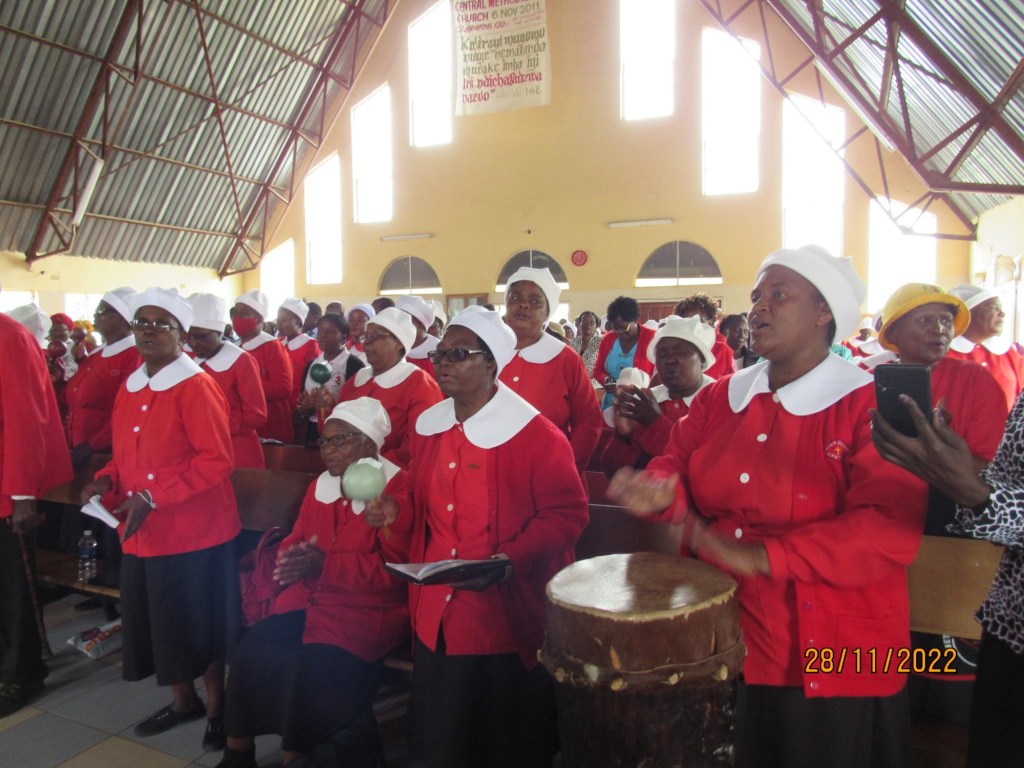
Culture is a human construct intended to foster belonging and connection among people. While divergent in practice, all spiritual traditions share common threads, primarily the use of music in worship. Sound’s vibration embodies the universal language, facilitating our connection to the divine. Elements such as clapping, drumming, dancing, and melody serve as integral expressions of faith across various cultures and religions.
The Power of Music in Spiritual Expression
Musicians, starseeds, light workers, healers, seers, prophets—essentially, all individuals engaged in spiritual practices—can be viewed as children of song – abantwana bengoma in Nguni languages. Our relationship with nature, the universe, spirits, deities, and the divine is frequently mediated through music, transcending language and cultural constructs. Thus, it becomes clear that regardless of the spirits we engage with or the traditions we uphold, music and sound play a pivotal role in our spiritual journeys.
Embracing Cultural Diversity in Spiritual Practices
Finally, it is critical that we stop boxing and labeling our cultural expressions of spirituality. Imposing our limited perspectives on how spirituality should be practiced holds back our collective growth. Instead, we should embrace and learn from diverse spiritual practices and cultural expressions. By exploring paths outside our traditional norms, we expand our horizons and promote personal growth, leading to a richer understanding of spirituality.
Conclusion
In conclusion, recognizing the relationship between spiritual gifts, mission, and purpose is essential to our individual and collective evolution as spiritual beings. By understanding that spirituality is universal, life purpose extends beyond our mission, and cultural diversity enriches our experiences, we foster a more inclusive and vibrant spiritual landscape. Let us celebrate our gifts and missions while remaining open to new expressions and insights, allowing ourselves the freedom to evolve and grow together.
Crystals have been cherished for millennia, not only for their beauty but also for their believed metaphysical properties. Each gemstone is thought to resonate with specific energies, aligning with various chakras in the body to promote balance and healing.
I have always been drawn to crystals, starting as a child when I would collect interesting-looking rocks and pebbles of different colours. As an adult I began to work with crystals to enhance my spiritual practice. This includes wearing them in a crystal cage around my neck or wearing crystal bead bracelets or necklaces.
Crystals carry ancient earth energy and work with the body’s electromagnetic field or aura to recharge and balance the energy. This helps with emotional and physical conditions as these often manifest as a result of energy imbalances or blockages.
I find crystals to be very useful as an empath to prevent absorbing other people’s emotions and energy especially when leaving the house. At the beginning of my journey, before I started doing energy work and learned to control my energy, I was often overwhelmed by negative energy from other people, especially in crowded places and I would feel drained and exhausted when I arrived home.
We explore several notable crystals below and their associated benefits:
1. Lava Stone
Original Image
Known for its grounding qualities, lava stone is believed to provide strength and courage. Often incorporated into chakra bracelets, it is associated with the root chakra, helping to alleviate anxiety and fear by fostering a connection to the earth.
2. Hematite
Original Image
Hematite is reputed for its grounding and protective properties. It is said to enhance practicality and courage, working with the root chakra to instill a sense of stability and security.
3. Tiger’s Eye
Original Image
Tiger’s Eye is associated with protection and personal empowerment. It is believed to boost self-confidence, determination, and clarity of vision. This stone, along with other yellow crystals like citrine, is linked to the solar plexus chakra, enhancing one’s ability to take decisive action and attract prosperity.
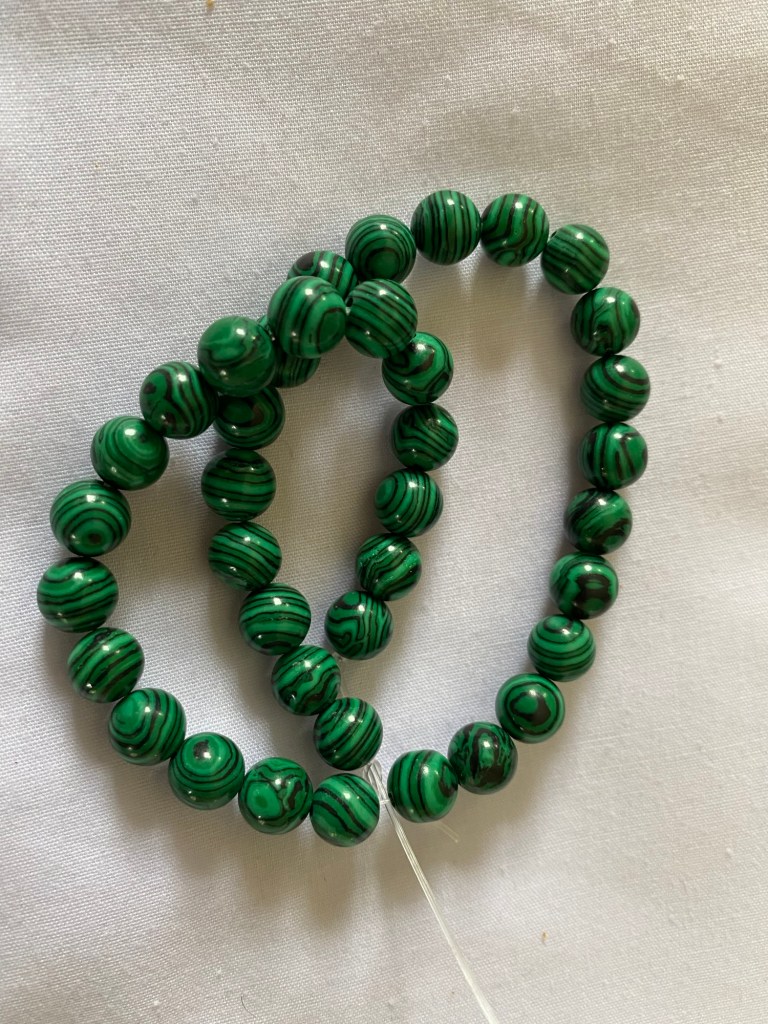
4. Malachite
Original Image
Malachite is considered a stone of transformation and manifestation. It is thought to encourage change and self-empowerment. Working with the heart chakra, malachite aims to heal emotional traumas and strengthen one’s resolve.
5. Jade
Original Image
Jade is traditionally associated with luck, harmony, and prosperity. This green stone resonates with the heart chakra, promoting emotional balance and attracting various forms of abundance.
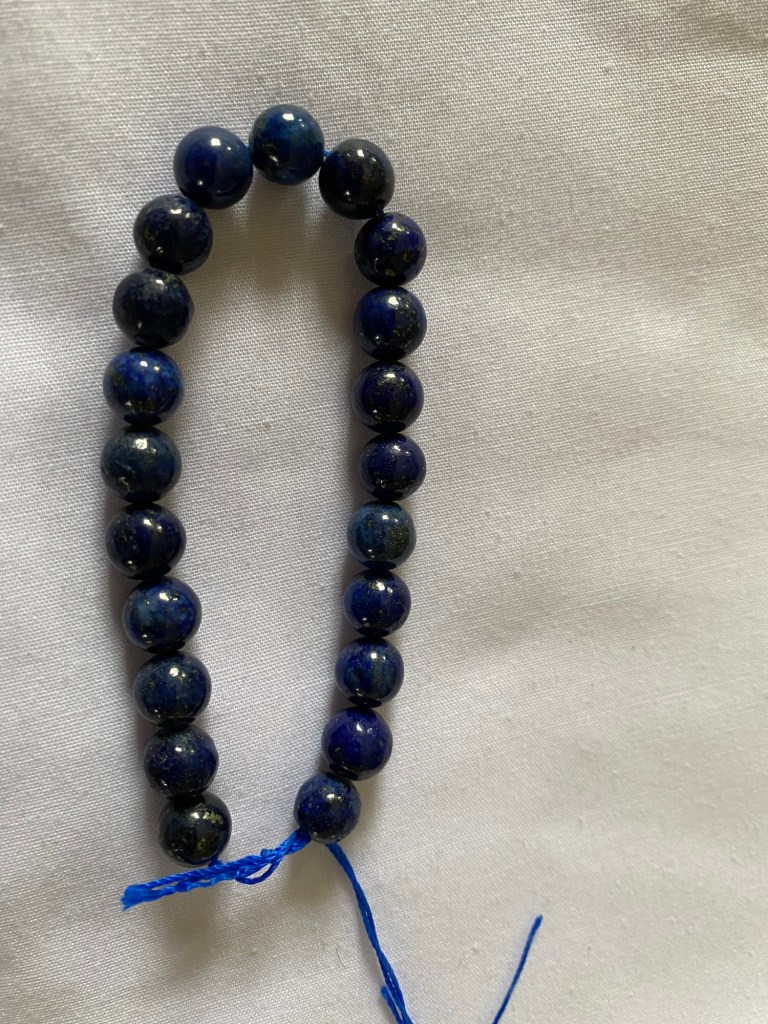
6. Lapis Lazuli
Original Image
Lapis Lazuli is revered for its connection to wisdom and intuition. It is believed to provide clarity and enhance self-expression. This stone works with both the throat and third eye chakras, supporting effective communication and insightful understanding.
7. Sodalite
Original Image
Sodalite is thought to promote rationality and truth. It encourages honesty with oneself and others, enhancing intuition. Associated with the throat chakra, sodalite aids in improving communication and self-expression.
8. Amethyst
Original Image
Amethyst is known for its calming and protective qualities. It is believed to relieve stress and assist with overcoming addictions. This purple stone resonates with the crown chakra, facilitating spiritual connection and communication with higher realms.
9. Moonstone
Original Image
Moonstone is associated with intuition, energy, and passion. It is thought to balance the sacral and third eye chakras, making it beneficial for sensitive and intuitive individuals. Moonstone is also recognized as a birthstone for Cancer and is favorable for those with Scorpio and Pisces placements.
10. Red Goldstone
Original Image
Red Goldstone is linked to ambition and determination. It is believed to energize and revitalize one’s energy field, calming strong emotions and absorbing negative thoughts. This stone works with the root and solar plexus chakras.
11. Red Coral
Original Image
Red Coral is associated with increased energy and vitality. It is thought to boost financial success, courage, and leadership qualities, aiding in task completion and protecting against negative influences. Red Coral resonates with the root, sacral, and solar plexus chakras.
Cleansing and Charging Your Crystals
To maintain their energetic properties, it’s essential to cleanse and charge your crystals regularly. Here are some methods:
• Smoke Cleansing: Pass the crystal through the smoke of frankincense or other purifying herbs.
• Anointing: Apply a small amount of frankincense-infused oil to the crystal.
• Salt Burial: Place the crystal in a bowl of coarse salt overnight.
• Sunlight or Moonlight Exposure: Leave the crystal under sunlight or moonlight to recharge.
• Earth Burial: Bury the crystal in the earth for a period to cleanse and recharge it.
Some crystals are sensitive to water or sunlight and may be damaged by these cleansing methods. For example, stones like malachite, selenite, and lapis lazuli should not be cleansed with water. Always research the specific care requirements for each crystal.
You can wear a single strand of crystals or multiple strands. A general rule with bracelets is to wear the crystals on your dominant hand to discharge negative energy and for protection. Good crystals for this are black ones like lava stone or obsidian and tourmaline. To reflect back negativity use hematite. For protection you can use Smokey quartz and amethyst. You can wear Whatever crystals you are drawn to.
You can wear crystals on your non-dominant had to receive positive energy that is aligned to the qualities you need.
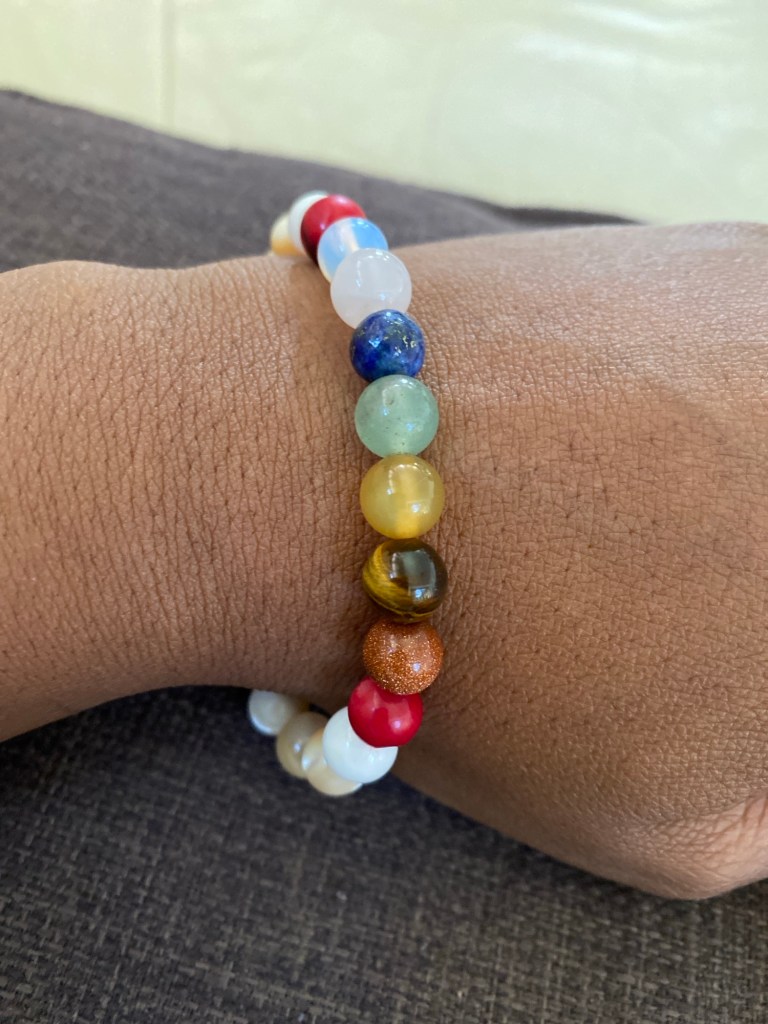
I like to make chakra bracelets with a crystal colour aligned to each chakra and filler beads like seashell beads or clear quartz. These are good for wearing daily.
Chakra bracelet
Incorporating crystals into your daily life can be a beautiful way to enhance your well-being and spiritual journey. Always choose stones that resonate with you personally, as your intuition is a powerful guide in selecting the energies you need.
For more insights and guidance on crystal healing, you can connect with Nomathemba on Twitter: @NomaDzino.
Please note that the information provided here is based on traditional beliefs about crystals and is not intended as medical advice.
Candle work or candle magic has been a powerful tool in spiritual practices, serving as a conduit for enhanced communication with our spirit guides. Understanding which colors correspond to different intentions can significantly amplify your prayers and meditations. In this guide, we’ll explore how to use candle colors in conjunction with the seven chakras to focus your intentions effectively. Whether you are a seasoned practitioner or new to spiritual work, these tips can enhance your connection with the divine.
The Foundation of Candle Magic
The primary purpose of using colored candles in prayer is to focus your intentions, be they positive or negative. Candles represent light and harness the elemental energy of fire, magnifying your energies while you pray or meditate. Anointing candles with oil before lighting them helps remove any negative energies attached to them. Here is a breakdown of the significance of various colored candles, aligned with the chakras:
1. Red Candle – Root Chakra
Location: Base of the spine Use this candle when you feel threatened, insecure, or unsafe. Red represents passion and vitality, grounding you in moments of fear. For added strength, combine it with a white candle for purity or a black candle to banish negativity from your space.
2. Orange Candle – Sacral Chakra
Location: Below your navel Light an orange candle to ignite creativity, business success, or enhance outcomes in legal matters. This color blends the protective qualities of red and the courage associated with yellow. Pair it with a green candle to manifest financial well-being.
3. Yellow Candle – Solar Plexus Chakra
Location: Upper abdomen, below the rib cage Light the yellow candle for clarity, courage, and passion. This color enhances your intuitive capabilities and fosters connections with maternal family guides. Combining it with white or blue candles can increase its effectiveness for broader intentions.
Gogo Bathini Mbatha on YouTube recommends praying and speaking with your ancestors using a blue and yellow candle, especially when you are new to candle work as an African.
For spiritually gifted healers or those with a calling to work with spirit guides who have an affinity to water, I find the combination of a blue, white and a yellow candle to be effective when communicating with those spirit guides.
4. Green Candle – Heart Chakra
Location: Center of the chest The green candle symbolizes life and healing, particularly emotional healing. It can also be used for manifesting financial prosperity, as these concepts are closely linked. This candle promotes connectedness with ancient female ancestral guides as well.
Working with the green candle for prayer and meditation helps to heal the heart chakra which is associated with emotions and emotional connection with others. It also helps to unlock abundance because feelings of being abandoned and rejected can block the energy flow through this chakra and affect one’s ability to manifest abundance in all forms
5. Blue Candle – Throat Chakra
Location: Base of the throat up to the ears Light a blue candle to increase your communication skills—whether through singing, speaking, or expressing oneself creatively. This color facilitates clairaudience, allowing you to hear messages from spiritual guides, especially paternal ancestors.
When you have trouble speaking up for yourself or speaking your truth, healing this chakra will help.
6. Purple Candle – Third Eye Chakra
Location: Between your eyebrows A purple candle enhances psychic gifts like clairvoyance and lucid dreaming. Use it to strengthen your connection with your intuition and receive messages during your dream state. It works best in conjunction with a white candle.
7. White Candle – Crown Chakra
Location: Top of the head The white candle embodies purity and signifies a connection to the Divine, including God, angels, and deities. It combines all other candle colors, making it versatile for any spiritual work. Lighting two white candles can facilitate communication with both maternal and paternal guides.
Practical Tips for Candle Usage
Choosing Your Candles: If you’re starting your spiritual practice, consider beginning with one or two white candles. Blue and yellow are also excellent for beginners seeking guidance.
Daytime Practices: Thick church candles are great for daytime use because they burn longer, making them perfect companions during fasting or prayer sessions.
Intention Matters: Regardless of which candle you choose, your intention is the most crucial aspect of the practice. Listen to your intuition and dreams, as your guides may offer insights into which colors to use based on your personal needs.
Lighting incense can enhance the sacred atmosphere, reminiscent of a church or spiritual space.
Conclusion
Candle colors serve as powerful allies in prayer and communication with your spirit guides. Understanding their meanings and how they correlate with your chakras can greatly enhance your spiritual journey. As you incorporate these practices, trust your instincts and allow your guides to lead you toward the most effective rituals for your personal growth. For more detailed explanations about candle magic, check out @YeyeoBotanica’s insightful YouTube video that dives deeper into this healing art. I also discuss candle work in this video.
The tales of destiny-swapping are surfacing more frequently, leaving many to wonder about the impact it may have on their lives. If you’ve never encountered this phenomenon, consider yourself fortunate; this topic might not resonate with your experiences. However, for those who have felt the repercussions of destiny-swapping, take heart: it is not the end of your journey. In fact, you can strengthen your aura, reclaim your energy, and manifest an even brighter future.
What Is Destiny-Swapping?
Destiny-swapping refers to a spiritual occurrence where one’s fate or energy is exchanged with that of another individual, often leading to confusion, emotional distress, and a feeling of being disconnected from one’s true self. Those who have experienced this may find themselves burdened with negativity or drawn into unhealthy patterns that are not their own.
In my latest Youtube Video titled Destiny-Swapping, I explore these themes, discussing the implications of spirituality and indigenous healing practices that help individuals navigate through such experiences.
Thank you for engaging with my channel by liking, commenting, subscribing, and sharing. Your support enhances our community focused on spiritual growth.
Signs You May Be a Victim of Destiny-Swapping
It’s crucial to recognize the signs if you suspect you have faced destiny-swapping:
Persistent feelings of fatigue and low energy.
Unexplained changes in emotions or mental state.
Recurring negative thoughts or dreams involving another person.
Physical symptoms that don’t feel aligned with your normal health patterns.
If you identify with any of these signs, it may be time to take action and reclaim your power.
Steps to Reclaim Your Energy and Strengthen Your Aura
Harnessing spiritual techniques can help you cleanse accumulated negative energies and cut any detrimental spiritual cords. Here’s how:
1. Spiritual Cleansing Rituals
Begin with a spiritual bath infused with herbs or salts known for cleansing energies. Steaming and purging can also be beneficial in removing negative remnants from your spirit. Performing these rituals regularly will help keep your aura clear and vibrant. I have two YouTube videos where I discuss cleansing and spiritual baths.
2. Prayer and Intention Setting
Using candles during prayer can enhance your connection while focusing on breaking negative ties. Candle work is also effective against curses and hexes. I have a Twitter post and another post in this blog on candle colours and their impact on energy. If possible, try some form of fasting along with the prayers to elevate your spiritual practice.
3. Connect with Ancestral Energy
Connecting with your ancestors can ground you, providing wisdom and guidance. If you are unsure of how to communicate with them directly, simple prayer can bridge that gap, linking you to your spirit guides and higher self. For people of African origin, there are a number of videos on YouTube on how to connect to and communicate with your ancestors.
4. Ritual for Cutting Spiritual Cords
Use a cord-cutting ritual to sever ties with anyone who drains your energy or disturbs your peace. Various methods exist, so choose one that resonates with you. Your intention and belief in the process are what make it effective.
5. Raise and Maintain Your Vibration
To maintain a high vibrational state, refrain from low-vibrational habits. Limiting alcohol, recreational drugs, casual sexual relationships, and refined or highly-processed foods can safeguard your energy from spiritual attacks.
6. Maintain Personal Hygiene
Strive to keep your body clean and well-groomed. A decline in personal care may signal energy siphoning or harvesting. Upholding basic hygiene routines reinforces your strength against negative influences. Water is a very important element for cleansing the body as well as the aura.
7. Clean Your Environment
Keep your living spaces, especially your bedroom, tidy and clutter-free. A clean personal environment minimizes negative energies and helps you become aware of any spiritual disturbances, such as pest infestations which could signal disruptive energy.
Conclusion
Encountering destiny-swapping can indeed be tumultuous, but it doesn’t define your path or future. By actively participating in your spiritual healing and cleansing practices, you can reclaim your power and position within the universe. Remember, continuous effort in maintaining your aura and cleansing your spiritual connections will support your journey towards a life full of abundance and positivity.
For further insights on spiritual empowerment, don’t forget to check out my Destiny-Swapping Video on YouTube and engage with our community. Remember: you have the power to shape your destiny!
As a Christian who practices both indigenous customs and spiritual healing, I encounter debates about the Old Testament laws, particularly those in Deuteronomy, and how they apply to us today. Fundamentalist Christians frequently quote these laws from the Bible to condemn practices like divination and witchcraft. But is this interpretation accurate?
Let’s take a deeper look at the origins of Deuteronomy and its relevance to modern believers.
The Historical Context of Deuteronomy
The Book of Deuteronomy was written during a critical period in Jewish history: the Babylonian exile. After Jerusalem fell to Nebuchadnezzar’s forces, many were taken into captivity, including the royal family and men of rank. The remaining Jewish leaders, particularly the priests, rewrote the Mosaic law during this time.
Why did they do this? They hoped that stricter adherence to God’s laws would prevent future disasters. The Jewish people had strayed from God, embracing idolatry and the practices of surrounding nations. The priests sought to realign the people with God’s covenant.
The laws in Deuteronomy addressed a variety of issues, including witchcraft, unclean food, idolatry, sexual immorality, and social justice. These commandments were tailored for the Jewish nation, particularly the tribes of Judah and Benjamin, who remained after the northern kingdom was scattered.
Occult Practices Outlawed
Picture Courtesy of Pexels.com
Commonly quoted scriptures include Deuteronomy 18:9-13 regarding occult practices
9 When you enter the land the Lord your God is giving you, do not learn to imitate the detestable ways of the nations there. 10 Let no one be found among you who sacrifices their son or daughter in the fire, who practices divination or sorcery, interprets omens, engages in witchcraft, 11 or casts spells, or who is a medium or spiritist or who consults the dead. 12 Anyone who does these things is detestable to the Lord; because of these same detestable practices the Lord your God will drive out those nations before you. 13 You must be blameless before the Lord your God.
I am particularly interested in the concepts of divination, sorcery, interpreting omens, witchcraft, casting spells, being a medium, a spiritualist and consulting the dead. These are practices that have been used by indigenous healers across the world, particularly in Africa for thousands of years.
It is important to note that Christianity as a religion is only about 2000 years old and came out of Judaism, which came from the Chaldean religion in ancient Babylon, which in turn came from the mystery schools of Kemet, what is known as ancient Egypt in Africa. The imposition by Christianity of Mosaic law on Africans is akin to a child once grown to adulthood instructing the elders who raised him on how they should behave.
Definitions in Terms of Etymology
If we look at the definitions based on etymology which is the study of the origins of words, we begin to understand the purpose of the rule and the agenda of the religious authorities that it was intended to drive.
The word witchcraft is derived from the Old English words wiccecræft “witchcraft, magic,” from wicce (see witch) + cræft “power, skill” (see craft).
According to etymonline.com OED says of uncertain origin; Liberman says “None of the proposed etymologies of which is free from phonetic or semantic difficulties. The word wicce is used for “a woman who practices “incantations,” and scinlæce “female wizard, woman magician,” from a root meaning “phantom, evil spirit.”
Another word that appears in the Anglo-Saxon laws is lyblæca “wizard, sorcerer,” but with suggestions of skill in the use of drugs, because the root of the word is lybb “drug, poison, charm”
From what is defined here, the original meaning of the word witch was one who used incantations and cast spells to command evil spirits to commit harm as well as one skilled in the use of drugs, poisons or charms made from herbs for maleficent purposes. This is not what African indigenous healers do. However the word came to be applied to anyone who practised a religion that had been suppressed by the authorities.
When we look up the word divination, it says late 14c., divinacioun, “act of foretelling by supernatural or magical means the future, or discovering what is hidden or obscure,” from Old French divination (13c.), from Latin divinationem(nominative divinatio) “the power of foreseeing, prediction,” noun of action from past-participle stem of divinare, literally “to be inspired by a god,” from divinus “of a god,” from divus “a god,” related to deus “god, deity” (from PIE root *dyeu- “to shine,” in derivatives “sky, heaven, god”). Related: Divinatory.
This is interesting because when Jesus Christ met the Samaritan woman at the well in John 4:18 and told her that she had had 5 husbands and that the man that she was living with was not her husband, that was a form of divination.
Another word we need to consider is necromancy. According to etymonline.com, “c. 1300, nygromauncy, nigromauncie, “sorcery, witchcraft, black magic,” properly “divination by communication with the dead,” from Old French nigromancie “magic, necromancy, witchcraft, sorcery,” from Medieval Latin nigromantia (13c.), from Latin necromantia “divination from an exhumed corpse,” from Greek nekromanteia, from nekros “dead body” (from PIE root *nek- (1) “death”) + manteia “divination, oracle,” from manteuesthai “to prophesy,” from mantis “one who divines, a seer, prophet; one touched by divine madness,” from mainesthai “be inspired,” which is related to menos “passion, spirit” (see mania). The spelling was influenced in Medieval Latin by niger”black,” perhaps on notion of “black arts” although in Latin the word also was used to signify death and misfortune. The modern English spelling is a mid-16c. correction”
When it comes to African indigenous spiritual practices, the understanding of the concept of death is important. To Africans, the physical body dies but the spirit is eternal. A healer receives their spiritual gifts and hidden information by supernatural means from spirit guides, some of whom are their blood ancestors that have transitioned and are living as spirits in another dimension. The western concept of the dead being gone is not what Africans believe.
It is interesting that in the Bible when Moses and Elijah appear to Jesus Christ before the Crucifixion in Matthew 17:4 and Peter offers to build 3 shelters for them. Christians deny the existence of ancestors as living in spirit yet recognise that Moses and Elijah who had been dead for a very long time, appeared before Jesus Christ on the mountain in the story of the transfiguration. This is contradictory. It would seem when ancestral spirits manifest among the living, for Christians, these are demons yet scripture documents the appearance of spirits of the dead to Jesus Christ.
The definition of a spiritualist is 1852, “one who believes in the ability of the living to communicate with the dead via a medium,” from spiritual + -ist (also see spirit (n.)). Earlier (1640s) “one with regard for spiritual things;”
Jesus Christ was a spiritualist. He had the ability to communicate with spirits of the dead and demons. He was able to raise people from the dead by commanding the person’s spirit to re-enter the body after it had departed and the person was declared dead. He was able to send a legion of demons into a herd of pigs that ran off a cliff and drowned themselves. If we follow the definition of a spiritualist and apply the laws if Deuteronomy, it means Jesus Christ broke the law. If Christ could break it to save people, why should others keep the law if it is not beneficial for the living?
When we study the etymology of the words used to described practices condemned in Deuteronomy 18 and we begin to analyse these practices in the context of Jesus’ Christ mission and works, they are not very different to what indigenous healers have done for thousands of years and continue to do today within and outside the Christian faith.
Do These Laws Apply to Christians?
Picture Courtesy of Pexels.com
In my opinion, if you are not of Jewish descent, the laws in Deuteronomy do not directly apply to you. If you are a born-again Christian, you are called to live under grace, not the law. The law includes the 10 Commandments given to Moses as well as the expansion of the Law within the first 5 books of the Old Testament, including Exodus, Leviticus and Numbers.
Living under grace doesn’t mean ignoring moral accountability. It means allowing the Holy Spirit to guide and convict you. As Christians, we must exercise wisdom, repentance, and restraint, as Paul emphasizes in 2 Timothy 2:24:
“God’s servants must not be troublemakers. They must be kind to everyone, good teachers, and very patient.”
However, in my experience and observation, modern fundamentalist Christians tend to be the biggest trouble-makers, deeply intolerant of other peoples’ beliefs, quarrelsome, arrogant and domineering. They are unable to exercise the necessary patience to teach and do the mission of preaching the gospel more damage with their attitude.
The Role of Discernment in Spirituality
Many fundamentalists rely on a limited understanding of the occult, often shaped by inadequate teachings. Many Christian’s comment on indigenous spiritual practices which they have never participated in or experienced. Ironically, some preachers who condemn occult practices are known to secretly consult practitioners of the occult.
It’s crucial to approach spirituality with critical thinking, research, and discernment. The Bible itself contains esoteric knowledge, much of which has roots in ancient traditions like the Kemetic mystery schools. This doesn’t mean embracing all occult practices but understanding that the Bible’s teachings often reflect deeper spiritual truths.
A Modern Reflection on Hypocrisy
Throughout history, even after rewriting the law, the Jewish people struggled with idolatry, adultery, and social injustices. Similarly, colonial powers established churches and promoted Christianity while perpetuating oppression, violence, and exploitation.
Today, prosperous nations like India and China often operate outside the constraints of colonial religious control. Meanwhile, Western nations continue to embed ancient occult practices and symbols in their institutions, from planning of government ceremonies to architecture.
The Call to Grace and Truth
Picture courtesy of Pexels.com
Jesus offered a new way. When He spoke to the Samaritan woman at the well, He didn’t condemn her for her past. Instead, He offered her “living water”—a life transformed by the Holy Spirit.
As Christians, we’re called to the same standard of grace and truth. Judging others based on Old Testament laws while claiming salvation by faith is contradictory. Jesus reminded us to judge not, lest we be judged by the same standard.
When the Pharisees brought a woman accused of adultery before Jesus, He responded, “Let the one without sin cast the first stone.” This profound lesson should guide us in how we approach faith, others, and ourselves.
Moving Forward with Discernment
In today’s world, false prophecy and deception are rampant, especially on social media. It’s easy to be swept up in popular narratives about spirituality and religion often based on a limited understanding of the spiritual practices of others. But as followers of Christ, we are called to seek truth through the Holy Spirit.
By embracing grace, practicing discernment, and striving for a deeper understanding of God’s Word through study and practice, we can live authentically in our faith. Let us move forward in the journey of faith with wisdom, humility, and a commitment to truth and compassion.
Over time, I’ve come to some startling realizations about spirituality and faith, ones that have reshaped how I approach my relationship with God and my understanding of the church. Learning that Satan plants his agents within churches—disguised as bishops, ministers, prophets, and other leaders—was both shocking and clarifying. It explained the evils that occur within some churches and the trauma experienced by many who trusted their spiritual leaders.
Just because someone wears a robe or holds a title doesn’t make them holy. We are all imperfect and called to strive for holiness, but we must also be vigilant, discerning, and diligent in working out our salvation.
The Importance of Testing the Spirits
Picture courtesy of Pexels.com
The Bible is clear about the need to test every spirit. In 1 John 4, we’re reminded to examine whether someone operates under the Holy Spirit or another spirit because false prophets abound. Testing the spirits requires studying Scripture, praying, and allowing the Holy Spirit to reveal the truth to us.
For me, this means daily Bible reading, using devotionals and commentaries, and taking time after sermons to cross-check the preached Word against the Bible. It’s essential not to rely solely on others’ interpretations but to seek God’s truth for ourselves. Satan knows Scripture better than most of us, and his agents often twist it to deceive. I’ve seen how they bully and gaslight people using out-of-context verses, much like Satan tempted Jesus in the wilderness.
Beware of Feel-Good Theology
Picture courtesy of Pexels.com
The incomplete teaching of God’s Word is leading many astray. Churches that avoid convicting messages in favor of feel-good sermons are putting their congregants on a dangerous path. When church becomes a place to feel good rather than confront our sins, we risk losing the opportunity to repent and draw closer to God.
Some churches even manipulate believers into giving their last money as “seed offerings” for miracles. This practice is far removed from the example of Jesus Christ, who performed miracles for all without asking for payment. The Spirit of God is not for sale.
Misunderstanding African Spirituality
Picture courtesy of Pexels.com
Another area where I’ve witnessed deception is the teaching against African spirituality. Many African Christians are suffering because they’ve been taught that practicing their culture is evil. This is one of Satan’s strategies to strip people of their blessings.
In my experience, those who call ancestral practices demonic often have no firsthand knowledge of them. They’ve never brewed traditional beer, performed a libation, or slaughtered a chicken. On the other hand, there are people who have dabbled in these practices and encountered darkness, which has led them to reject ancestral rituals entirely.
However, not all practices are inherently evil. Some align closely with the original Mosaic law, including animal sacrifices for atonement. As Jesus said, He came not to abolish the law but to fulfill it. For some, ancestral practices can coexist with faith, provided they don’t violate universal spiritual laws or lead others astray.
Grace and Responsibility
Picture courtesy of Pexels.com
We live under grace, but that doesn’t mean we abandon spiritual responsibility. Grace empowers us to live in alignment with God’s will, offering us supernatural strength to fight spiritual battles.
As someone who has been chosen as a seer and indigenous healer, I’ve learned that even aligning with ancestral heritage isn’t enough. Prayer and spiritual warfare remain critical in navigating life’s battles.
Conclusion
My journey has taught me the importance of seeking the truth for yourself. Study Scripture, pray, and use discernment in your spiritual walk. Avoid blindly following leaders or traditions without understanding their alignment with God’s Word.
Ultimately, faith is a deeply personal journey. Let us strive for a relationship with God that honors His truth and brings us closer to Him, not just to a church or leader.
Thy kingdom come, thy will be done on earth as it is in heaven
Give us this day our daily bread and forgive us our trespasses, as we forgive those who trespass against us.
Lead us not into temptation, but deliver us from evil.
For thine is the kingdom, the power & the glory. Forever and ever.
Amen
We recited this prayer almost every day at church and at school until it became part of our consciousness. However I was amazed to discover that the translation of this prayer taught by Jesus to his disciples exists & reads very differently from what has been taught.
The Direct Translation from Aramaic to English
Suzette Standring brought this version of the prayer to the world’s attention. Translated by Neil Douglas-Klotz PHD, it revives the memory of the worship of the Divine Feminine, reminding us that God, the Creator is not exclusively male. https://readsuzette.com/lords-prayer-original-aramaic/
The original translation of Jesus’ Christ’s words in Aramaic is as follows:
O Birther! Father-Mother of the Cosmos, you create all that moves in light.
Focus your light within us — make it useful: as the rays of a beacon show the way.
Unite our “I can” to yours, so that we walk as kings and queens with every creature.
Create in me a divine cooperation — from many selves, one voice, one action.
Grant what we need each day in bread and insight.
Forgive our hidden past, the secret shames, as we consistently forgive what others hide.
Deceived neither by the outer nor the inner — free us to walk your path with joy.
From you is born all ruling will, the power and life to do, the song that beautifies all from age to age it renews. Amen.
Exegesis of the Aramaic Version of the Lord’s Prayer from an African Spiritual Perspective
If we use the principles of exegesis which is the critical explanation or interpretation of a text, especially of scripture, this will blow your mind. Exegesis is a tool used by preachers to break down Bible text to gain understanding of God’s word in preparation for teaching either in a Bible study or a worship service.
I was astonished to discover how aligned the world view expressed in this version of the Lord’s Prayer is to our world view as Africans. When you consider each line of the text, you can relate it to our concept of the Creator God & how we worship the Creator as Africans, as well as how we conduct ourselves.
God is neither Male or Female but both at the same time
For Africans, the Creator is not one single gender. The entire universe is built according to the law of Gender with masculine and feminine energy. Even the 4 elements have either masculine or feminine elemental energy and only the Spirit has no specific gender. This is why in the biblical myth, Noah took two of every creature male & female into the ark to repopulate the earth after the flood.
Universal Law of Polarity
Africans understand the universal principle of polarity – light and darkness. We call on our ancestors who dwell in the light, close to the Creator & can intercede for us. We understand that the other side – darkness is of a lower vibration & nothing good comes from it.
When healers meet & greet each other in Sesotho, they say ‘Lesedi!’ which means that they recognise the light in the other healer & he/she responds with ‘Kganya!’ which means that the light must shine.
Nguni people not only healers end prayers when talking to their ancestors and spirit guides by saying ‘Mabu ded’ubumnyama! Makuvel’ukukhanya which means the darkness must recede and the light must appear.
This aligns with the request in the prayer for the light within us that comes from the Creator to be focused so it shines and shows the way for others. This is why healers who are properly initiated and functioning at the right level of vibration are light workers & do not work with the darkness.
We are Kings & Queens
Many African indigenous healers are of royal descent. However, royalty isn’t just about lineage. It’s about how you conduct yourself in the world with grace, wisdom and dignity. We call a spirit guides that is not of our family lineage – isidalwa – a creation in isiZulu, because they come from the Creator. These spiritual entities from various realms such as ancestors, angels, extra-terrestrials, ascended spiritual masters, deities among others walk with us on our journey, teach, protect, help and support indigenous healers in their spiritual work.
We ask the Creator to unite our ability with his/hers to enable us to work with all the spirit beings in the universe. We ask for the ability to conduct ourselves as kings and queens, with discernment, behaving appropriately as the occasion calls for it whether we are interacting with a dark spirit being like a demon or a light spirit being like an Angel or an elemental spirit.
Don’t Drink The Kool Aid.
We ask for discernment so we are not deceived by the visible things of the world like wealth, worldly goods and pleasure or the invisible spiritual things of the spirit because neither extreme is good for our soul’s evolution. You can be too spiritual and be unable to pay your bills or be too carnal which means you are feeding your physical self at the expense of your spiritual development. We ask the Creator to help us to walk the path that we chose before we were born with joy no matter what our circumstances are.
This is an important part of the prayer. We need provision for both our physical needs – represented by bread and for our mental and spiritual needs for sanity, growth & development – insight meaning knowledge, understanding & wisdom. There are many Proverbs that talk about a fool – one who lacks wisdom and how hunger & poverty dehumanise a person. Man cannot live on bread alone, but by every word that proceeds from the mouth of God. The mouth of God brings forth wisdom, necessary because folly leads to sin and the wages of sin is death.
Divine Cooperation, Integration and the Journey of the Soul
We need divine cooperation so that we can integrate our many different selves from experiences that we have gathered in our various incarnations and the different personalities that we adopt in this life in different situations. Integration is necessary for us to live as a fully actualised human being with integrity. We need to act with undivided intent and behave the same way in every situation.
Our soul’s evolution requires us to be honest and authentic & not behave differently with different people because that is deceptive, manipulative and destructive to other people. Narcissists have many false selves because they cannot bear to face the ugliness of their real self. We need a healthy dose of self-respect, self-confidence and self-esteem as we are made in the image of the Creator but we are not above our fellow human beings.
To Err is Human, to Forgive Divine
This prayer in this version recognises that we know when we have sinned against the Creator or fellow human beings and we are secretly ashamed, even if we never admit it. We need the Creator’s forgiveness and help to consistently forgive others’ shortcomings because our hurt feelings can overwhelm us to a point of seeking revenge. Yet as the South African poet Mzwakhe Mbuli said, ‘an eye for an eye makes the world blind’.
There are many things that people do against God, the Creator, to and against us and other people that they never admit. They hide their sin not just from others but also from themselves which is self-deception. Forgiveness is easier when a person admits their sin. You need God’s grace, i.e. supernatural power to forgive a person particularly when they deny it. This is because unforgiveness is said to be like drinking poison and waiting for the other person to die.
Forgiveness means not taking revenge. It does not excuse the other person’s behaviour. It does not mean they are exempt from divine retribution. It means that you are making a decision to free yourself from the hurt and pain they caused you. Karma has everyone’s address. Let the universe do it’s job of allowing the law of consequence or cause and effect or in biblical terms reaping and sowing.
Power, Life & A Beautiful Song
Everything comes from the Creator, so we acknowledge that. When we communicate with our ancestors we ask them to intercede with the Creator on our behalf and take our prayers and requests to Him/Her. Africans believe that there is a Supreme Being who created the universe and is greater than every other spiritual entity.
The Creator gives us everything including life, free will, the power to do whatever we set our mind to & the beautiful music that marks all our moments of sorrow & joy in this life. The word inspiration comes from the root word for Spirit in Latin. This is why in many African Spiritual traditions we connect to Spirit through song and dance & it’s an essential part of spiritual initiation.
In Africa we believe in reincarnation. The Christian elders after the Council at Nicaea removed the doctrine of reincarnation from the official teachings of the Church. We acknowledge eternity & the cycles of renewal from age to age because we are aware that we are part of those cycles of birth, death, rebirth and our burial practices and rituals for new-borns among others are part of that.
So It Is and So It Shall Be
Finally Amen. This word in Hebrew is a declaration of affirmation or certainty. Amen in worship today means the word that has been spoken is true, faithful and so be it i.e. what has been requested must come into existence. It is recommended that the word be said 3 times.
I found this version of the Lord’s Prayer to be most powerful & resonant with my beliefs as an African. I am grateful that my spiritual journey started with Christianity because I have the best of both worlds & I see traces & hear echoes of the Divine Supreme Being I call God, the Creator in every spiritual tradition that I come across.




















 PrincessPearlManzini
You must be logged in to post a comment.