The Hunter’s Trap

AI – Generated Image

Like most urban professional men, Victor considered himself a good husband. He worked hard to provide for his family. They lacked nothing. The children went to the best private schools, and he and his wife drove matching luxury SUVs with personalised number plates. Their palatial home in an exclusive cluster complex in the plush green northern suburb of Bryanston was exquisitely furnished and decorated.

He worked hard, so what if he occasionally fished in the pond? Exploiting eager, naive young junior auditors serving their articles at the firm gave him quite a thrill. It was one of the perks of the job—an unspoken agreement by the senior partners in the firm. It was considered to be an opportunity to relieve stress. The unwritten rule was, ‘Never get caught.’ The firm had a sexual harassment policy designed to protect employees. However, in truth, most senior male employees treated it like a suggestion. In private conversations, they exchanged tips on loopholes in the policy with laughter and conspiratorial whispers, secure in the knowledge the ‘boys’ club’ would support them if any of the juniors filed a sexual harassment case.

Victor was one of the best of an elite breed. These were men at the top of their game, deftly fencing their way through company politics to make senior partner, general manager, or managing director, depending on their industry, while working hard to make themselves indispensable.

AI-Generated Image

The unmatched ecstasy of sex was his drug of choice; the hotter and more illicit, the better. It kept him from losing it. It was all part of a game. There was the thrill of the chase; the more a woman resisted, the greater the sense of accomplishment when he finally had her writhing and moaning beneath him. So, what if the discarded and disgruntled ones called him a ‘Corporate Fuck Boy’. The truth was, they’d be back in a heartbeat if he gave them the slightest encouragement. He was that good, and worst of all, he knew it. Many of the naive young things he had bedded went on to date and marry other people, but a few still looked wistfully his way, hoping that one day he would ask them for a roll in the proverbial hay one more time. He was unmoved. For him, the thrill of the chase and the novelty of conquest was unmatched.

AI – Generated Image

His wife had some idea of his liaisons, but the number would have shocked her if she knew. She turned a blind eye, having resigned herself to being the good wife and mother, the one who was above reproach and lent respectability to his image when it counted.

So, from one year to the next, he rose in stature in the firm while preying on young, impressionable women who found themselves serving their articles under him. This year, as managing partner, he broke with tradition and insisted on meeting the new crop of junior auditors. Sure enough, one caught his eye at once. She was not his usual type. He liked them light-skinned and curvy, but there was something about this one. Tall and dark in complexion, her figure was akin to that of a greyhound—lean, lithe, and athletic. She had an endearing little gap between her front teeth when she smiled. She seemed shy, shifting uncomfortably under his penetrating gaze.

He asked Aviwe, the HR manager, her name. Xongotela Maluleke. He was intrigued. She had been top of her Accounting class at the University of Limpopo. A country girl, he thought. The firm had funded her studies. In the weeks after that, he paid her special attention, requesting that she bring him files, coffee, giving her special assignments that required her to be alone with him. He called her Xongi, pronouncing the X as “Shh.” She blushed endearingly when he complimented her. A month into her joining, he was no closer to getting the first bite of her cherry. He was not in a hurry; there were still a few of the girls who were willing to put out for him.

One day, Aviwe overheard a conversation in rapid-fire Setswana in the deserted break-out area. To her surprise, she saw Xongotela pacing agitatedly as she spoke. Aviwe, being Xhosa, spoke very little of the language, so she could not follow the conversation. She made a note to check on her. Later when they spoke, Xongotela explained that her Mum was a MoTswana and she had to deal with an issue at home, but it was all sorted out.

Xongotela continued to do the special assignments as requested by Jonathan. Aviwe tried to warn him to avoid being seen as obviously favouring her, but the warning was ignored. Xongotela seemed so innocent and stared uncomprehending at Aviwe when she tried to tactfully warn her not to spend too much time alone with Victor. She also tried to gently dissuade Victor from taking advantage of the country girl. He feigned innocence. He insisted he saw potential in the girl and wanted to groom her personally. “Yes,” Aviwe thought, ‘just like all the others.’ Sexual grooming was not just a function of childhood sexual abuse. Aviwe gave up in disgust. They were consenting adults after all.

The hunter in Jonathan was in full flight, and he would not be stopped from pursuing his prey. Xongotela, meanwhile, continued with her coy and endearing manner, while making every effort to be professional. She was a quick learner, very organised and efficient, and soon, she was trusted enough to be given a set of keys to Jonathan’s office, much to the chagrin of Janet, Jonathan’s PA.

Early one morning, Janet came in as usual, only to find Xongotela in the office. She was holding the brass Foo dog ornament that sat on Victor’s desk just as Janet appeared in the doorway. She seemed a little flustered, put the ornament down in its place, then took some files from the in-tray and hurried off to the open-plan office where she normally worked. Janet tried to tell Victor about the incident, but he dismissed it, saying he had asked her to come in early to look at the files he left in his tray.

AI generated Image

A couple of days later, they were working late, reviewing the financial reports for a noticeably big client who was listing one of their divisions on the New York Stock Exchange in a few weeks.

Xongotela brought Victor a tall black Americano as asked. She set the coffee down in front of him. He looked up and, smiling suggestively, reached out and touched her hand—a gentle, lingering touch. Xongotela froze, unsure what to do next. Victor gave her a winning smile, pleased by her reticence. He looked forward to preying on her, just as he had done with her other colleagues.

Over the next few days, Victor was pleased to see Xongotela giving him coy looks. For him, that meant he was close to the proverbial touchline. The team congregated at a nearby restaurant and bar for drinks on a Thursday evening. As the evening wore on, colleagues began to leave, some going straight home. A few senior partners left early, and their ‘marks,’ the junior auditors they were sleeping with, left a few minutes later to join them in the parking lot.

AI – Generated Image

Victor fell back on a trick that had served him well over the years with the tougher ‘marks’. He pretended to be too drunk to drive and asked Xongotela to drive him to his ‘friend’s place’ to sleep it off. This worked on the young girls who were often keen to drive his sleek BMW Seven Series. Xongotela agreed. Victor put on one of the best performances of his career, pretending to be drunk, even leaning on her as they went to his car. A couple of the senior partners who remained gave each other knowing looks. They had seen this performance before; they had occasionally tried it themselves, but no one did it as well as Victor.

Victor lolled in the passenger seat. His pulse raced as Xongotela leaned over to fasten his seat belt. She selected the address from the list displayed by the built-in GPS system. Xongotela drove the car smoothly, navigating the suburban roads that led from their office. When they arrived at the apartment block a few kilometres from the office, Victor pressed a remote control to open the gate, and they drove in, the gate closing behind them.

The ‘friend’s place’ was empty. Xongotela helped Victor up two flights of stairs to the first floor. He was so aroused; her arm was around his waist while his was over her shoulder. The place was clean, well-kept, but empty, devoid of personal touches. It was, in fact, the ‘slaughterhouse’ as the firm’s boys’ club called it. They pooled funds to rent the place to bring young, unsuspecting women there for sex. This was, in fact, a frequent practice among men of their class. When the lease was up for renewal, they found a similar property in the area and shifted every year to avoid detection.

As Xongotela placed Victor on the sofa, she bid him goodbye, saying she would call an Uber ride. Emboldened by the privacy of the quiet apartment and heated with desire, Victor stood up and pulled Xongotela towards him and, slipping his hand inside her blouse, he unhooked her bra, saying, “You smell so good. I can’t wait to…”

AI – Generated Image

What happened next still had him stunned for the next few years when he recalled it. Xongotela wrestled herself free of his grip. She punched him in the stomach, then whirled around him, kicking him hard on the back of his right knee. He landed face down on the floor. Before he could react, he felt his hands being pulled behind his back and heard the unmistakable click of cold steel of handcuffs around his wrists. Xongotela took the remote control out of his pocket and opened the gate.

As Victor lay on the ground trying to make sense of what was happening, he tried to raise his head, only to see Xongotela squatting next to him, the barrel of a revolver aimed at his forehead. Gone was the coy smile and hesitant manner; in its place was the grim look of a determined woman, who was not to be trifled with. Victor was speechless for the first time in his life.

The door opened. In walked three police officers. They saluted her. “Lieutenant Colonel!“

“At ease, Captains!“ She replied, rising to her feet. Victor found his voice and he was led, protesting loudly, to the waiting police van. Curious neighbours and workers at the complex came out to watch the drama. Victor was driven to the police headquarters for questioning.

Six months later, Victor appeared in court for one count of attempted rape. The star witness was Lieutenant Colonel Maluleke. He was also tried for several other counts of rape with aggravated assault. That little drunken act to lure unsuspecting young women, which was his signature, was the modus operandi of a serial rapist. Most of the victims were too scared or ashamed to report, except one.

Unfortunately for Victor, she was the niece of the Chairperson of the ruling party’s Women’s League. Lieutenant Colonel Maluleke, with her youthful appearance and petite figure, volunteered to go undercover to investigate and be the bait. She collected information using the recording device she had placed inside the Foo dog’s mouth.

Victor’s case was fast-tracked through the court system. There was a great deal of media attention. The accounting firm issued a media statement condemning the crime and committing to enforcing its sexual harassment policy. Aviwe was astonished at first, then felt vindicated. She had her hands full as more victims came forward. Some were still working for the firm. The firm paid for therapy sessions and, where required, financial compensation for the victims to redeem its bad reputation as a haven for sexual predators.

The judge sentenced Victor to several years in prison. She noted in her judgement the number of counts, the severity of the cases and the abuse of his position of power within the firm. He was to be incarcerated at Leeuwkop maximum-security prison in Johannesburg, serving many of the sentences concurrently. He would only be eligible for parole after a minimum of five years.

His wife filed for divorce, which was uncontested. He got the news one cold, rainy morning from one of his few remaining friends. The rest of the ‘boys’ club’ distanced themselves. In a single evening, he had gone from being successful and respected to a target for the prison gangs.

He never made it out on parole. He contracted HIV/AIDS and died of complications from pneumonia. His siblings collected his body, and he was laid to rest in a small private funeral back home in KwaZulu-Natal.

This is a cautionary tale of a hunter caught in his own trap. Tell us what you think of the story in the comments.

©️Pearl Deyi 2025


When Desire Meets Dissonance: A Woman’s Journey Through Emotional Clarity

By Nomathemba Pearl Dzinotyiwei

AI – Generated Image

She stands at the edge of a precipice, her heart caught between two men: one she vowed to love forever, and one who—without touching her—has awakened a part of her she thought had died.

Her husband is not cruel in the traditional sense. He does not strike her. He provides, yes—but not in the ways that matter most. His affection is rationed. His words, sharp when spoken at all. Her presence in the home feels more like a convenience than a connection. He controls through silence, withholds love as punishment, and has long stopped seeing her as someone to cherish.

Then, unexpectedly, she meets someone else.

He listens. He sees her. With him, she laughs freely again. Her body leans toward his without permission from her mind. It’s not an affair—not yet—but the emotional charge is unmistakable. She feels beautiful, wanted… alive.

And yet, she is tormented by guilt.

How can she be drawn to another man while still married? What does that say about her? Is she betraying her vows, or simply responding to a neglected truth within herself?

This is where the Theory of Emotions can be transformative.

Understanding Emotion: Not the Enemy, But a Messenger

The Theory of Emotions, especially as understood through psychology and cognitive science, posits that emotions are not random disruptions but informative signals. They reflect our unmet needs, internal conflicts, and the alignment—or misalignment—between our environment and our values.

In her case, the emotional pull she feels toward this other man may not just be about lust or escape. It could be a signal—an internal alarm—ringing out about the emotional starvation she has endured for too long.

Emotional Dissonance and Internal Conflict

The woman’s attraction is not inherently immoral; it’s a symptom of a deeper dissonance. She is emotionally disconnected in her marriage, yet bound by duty, loyalty, and perhaps religious or cultural expectations. This internal clash between what she feels and what she “should” feel creates psychological tension known as cognitive dissonance.

The Theory of Emotions invites her to explore this dissonance not with judgment, but with curiosity:

What need is this emotion pointing to? What truth am I avoiding by denying this attraction? What am I afraid will happen if I follow or suppress this feeling?

The Body Knows Before the Mind Accepts

Neuroscience supports that emotional processing often happens faster than cognitive reasoning. This means the butterflies she feels when she sees this man, the way her body warms at his voice—these reactions may be happening before she’s fully conscious of why. Her body is responding to emotional safety, resonance, and vitality—things she no longer associates with her husband.

Reading about emotional theory helps her recognize that feelings are not betrayals—they are data. They don’t dictate what she must do. But they beg to be understood.

What She Might Learn

She is not broken. Feeling attraction outside of a failing relationship is not unusual; it doesn’t make her immoral, it makes her human. Her needs are valid. Emotional neglect is a form of harm. Craving affection, attention, and connection is not weakness—it’s survival. Emotions need space. Suppressing feelings doesn’t make them disappear. Understanding them can lead to healthier choices—whether that’s healing the marriage, seeking therapy, or choosing a new path. Choice begins with clarity. Emotional literacy gives her the language to understand her experience and make informed, compassionate decisions—not reactive ones.

The Next Step

This woman may not be ready to leave her husband. She may never act on her attraction to the other man. But reading the Theory of Emotions gives her a new lens through which to view her inner world. It offers her the possibility of forgiving herself, of moving beyond guilt, and of reclaiming her right to joy and emotional truth.

Because in the end, emotions are not meant to control us—they’re meant to guide us.

And maybe, just maybe, this journey inward is the most faithful act she can make: not to a man, but to herself.

Recommended Reads:

“Emotional Agility” by Susan David “The Body Keeps the Score” by Bessel van der Kolk “Women Who Run with the Wolves” by Clarissa Pinkola Estés

If you’ve ever felt emotionally torn or trapped in your own life, know this: you are not alone. Your emotions are not a problem to fix—they are a voice longing to be heard.

Want to know what happens next? Read the novel Forbidden Games, available on Amazon.

https://a.co/d/cfaDeKZ

Forbidden Games

From the moment billionaire Alexander Martin spotted her across the quiet bookstore, he had to have her. Professional, calm, composed in her tailored suit and button-down blouse, Lindelwe Rantao was the last woman he would have pursued, married, loyal, off-limits. But he hadn’t built an empire by obeying limits.

What began as a game of pursuit, a challenge to shake her world, quickly unraveled into something far more dangerous. Lindi wasn’t just trapped in a loveless marriage; she was surviving a life that threatened to swallow her whole. And Alex’s desire to possess her shifted into a relentless need to protect her.

But love comes at a price. For her freedom. For his soul. And for secrets that could destroy them both.

Because falling for a married woman is reckless.
Falling for one with a jealous, abusive husband?
That’s war.

Read a sample and get your copy now on Amazon here.

African Indigenous Healing & Alternative Healing Modalities

By Nomathemba Pearl Dzinotyiwei

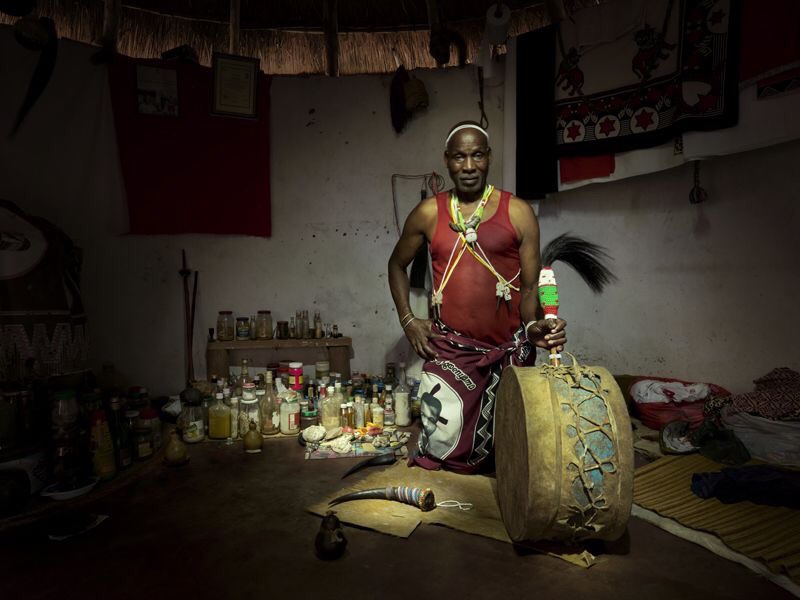
Isangoma African Indigenous Healer. Picture courtesy of Pinterest

African Spirituality is broad and multi-faceted. Much has been made of the common manifestation of spirituality, that of the diviner or uMngoma or iSangoma. The word comes from the Bantu word ingoma meaning drum or song depending on the language and pronunciation. These healers undergo strict training to enable them to channel the ancestral spirits that are invoked through song that enable them to divine and heal. However there are many different types of healers with various specialities that channel spirits of ancestors from all over Africa. Statistics say 4 out of 5 people consult traditional healers across South Africa across racial lines.

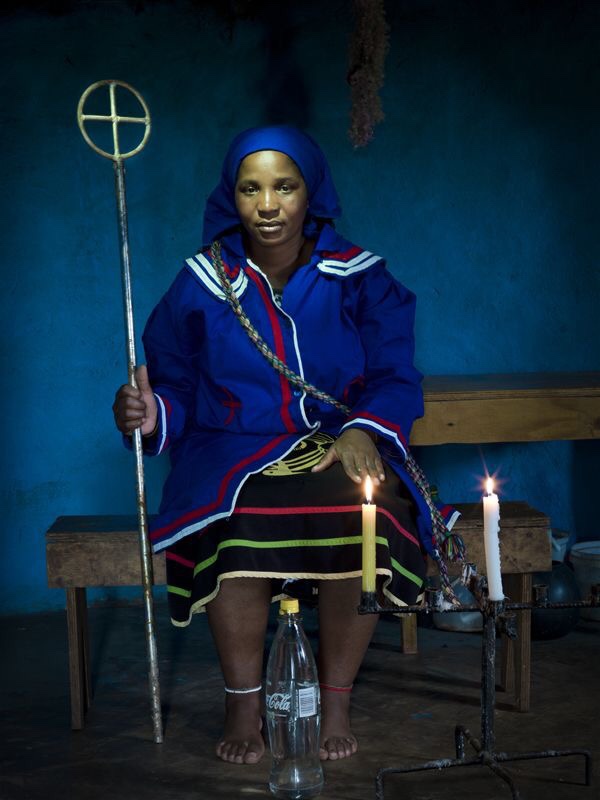
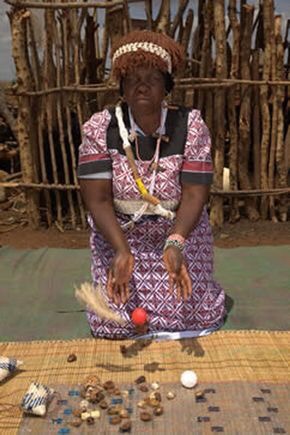
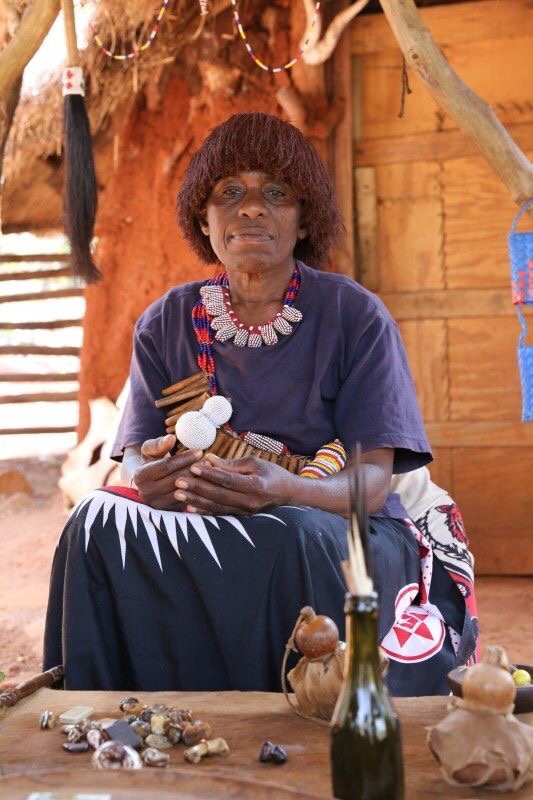
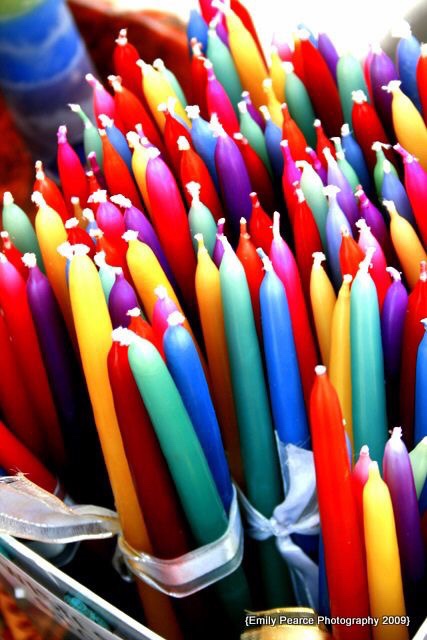
Healers use various technologies to divine, diagnose, prophesy and heal. These includes herbs, roots, plants, seeds, water, sea salt, soil, ash, fire. Divination tools including bones, shells, crystals, carved wooden objects like runes or dominoes etc. Some use mirrors or a bowl of water for divination. Some operate in African independent churches as prophets and prayer warriors (abathandazi) and work mostly with the Bible, Christian songs, candles and water.

Regardless of the nature or origin of the ancestral spirit and how it is initiated, all indigenous healers have psychic gifts like clairvoyance (visions), claircognisance ( knowing), clairaudience (hearing) or clairsentience (feeling)or clairalience (smell) to get information from beyond the physical world in order to effectively carry out their calling to heal.

Spirit guide or Instructor or Gobela, indicated by the black print.
Picture courtesy of Pinterest

To maintain their connection with the divine, healers pray and carry out certain rituals in order to heal and centre themselves. It is important for a healer to maintain a sound body, mind & spirit by any means necessary. Diet, exercise, meditation, prayer help with that. The training & initiation by all accounts is tough. It requires a trained spiritual teacher or mentor known as uGobela. All highly spiritual people are aware of the war between darkness & light & stand at the front line of that battle.

Traditional Healer who carries both Sangoma and Prophetic Gifts.
Picture courtesy of Pinterest

There is a clear distinction between indigenous healers who are light workers and sorcerers that use dark magic. Healers are taught how sorcerers operate in order for them to be able to heal people, in the same way doctors and other medical personnel are trained in what kills people and how, in order to heal them. However all healers must make a choice to work with the light or with darkness. Those that work with the light must be spiritually pure. Unfortunately due to the Witchcraft Suppression Act and religious indoctrination all spiritualists and spiritual practices have been incorrectly labeled as evil.

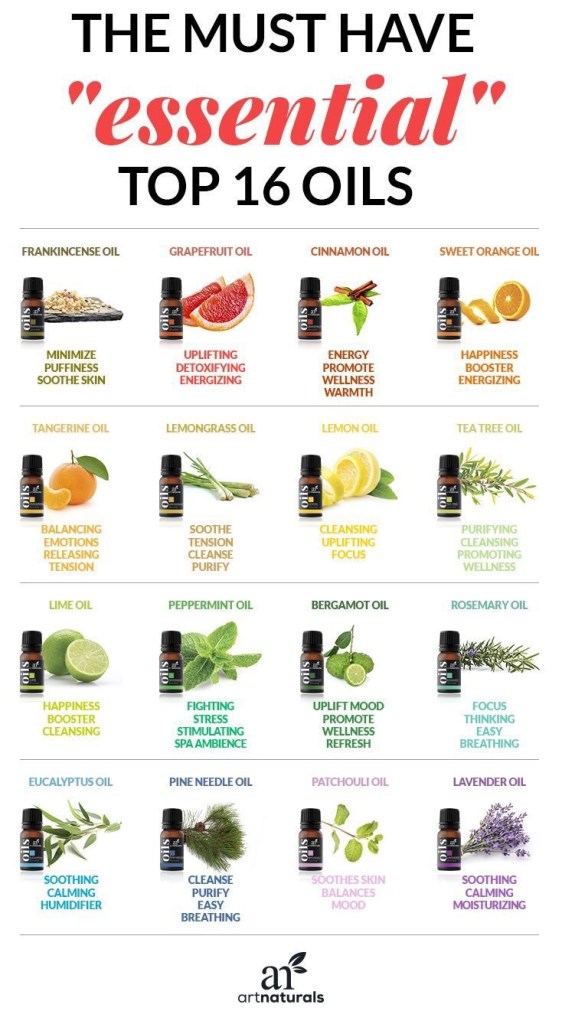
In my research on spirituality, I’m fascinated by the way South African indigenous healers are incorporating different healing modalities such as meditation, yoga, crystals, astrology, numerology, aromatherapy and colour healing. It dawned on me that this is a natural evolution. Spirit is infinitely wise and powerful and will use any sacred object to accomplish what it needs to. However, all these practices associated with European and Asian spiritual traditions originated in the ancient African kingdom of Kemet in modern-day Egypt which birthed most of the spiritual traditions across the world so in a way it is a return to our indigenous knowledge systems in a modern form.

Crystals. Picture courtesy of Pinterest
Aromatherapy Oils. Picture courtesy of Pinterest
Medicinal Plants. Picture courtesy of Pinterest
Oracle Cards. Picture courtesy of Pinterest

Indigenous African Spirituality is more than just ubungoma or shamanism, beads, snuff & traditional beer. If you live in an urban area, you can’t go to the bush to collect herbs etc. for healing. So it makes sense to use other modalities to balance & heal mind, body & spirit. There is such beauty & diversity in African Spirituality yet what I see is common among genuine indigenous healers is a desire to heal which overshadows any fear or adversity they endure. If what they do is so evil, surely they wouldn’t also be vulnerable to spiritual attacks?

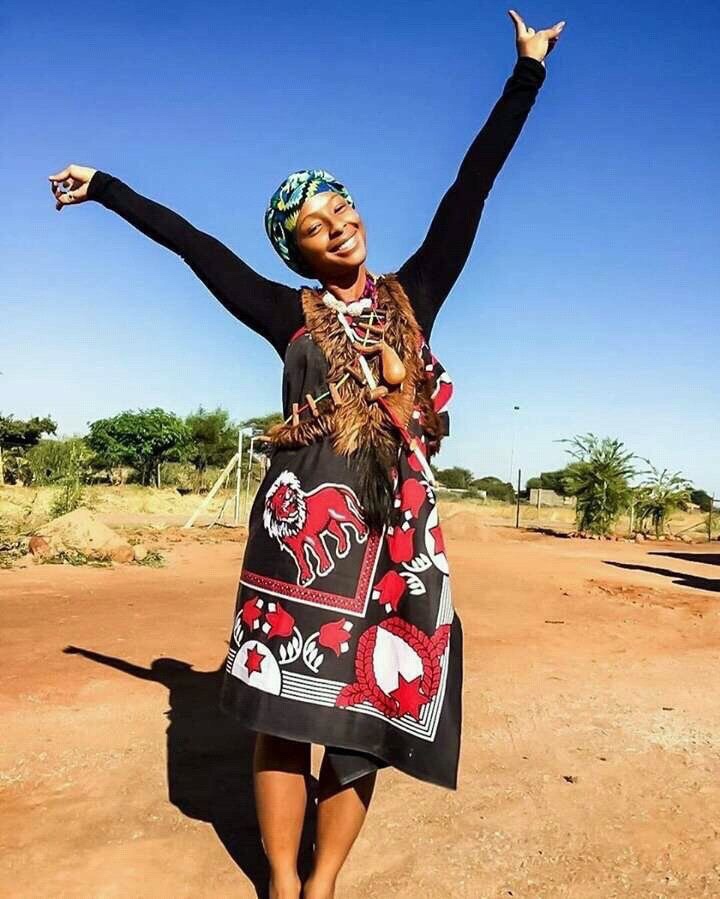
Boity Thulo, South African Celebrity who recently underwent initiation. Picture Courtesy of Pinterest

If you are undergoing a spiritual awakening or have an interest in African Spirituality, there are many healers that offer information and guidance on various social media channels FaceBook, Instagram and YouTube for people needing to consult and aspiring healers. Notable examples include AfroSavvy, Gogo Dineo Ndlanzi and Sangoma Society and Bana Ba Moya on YouTube, Vusi Ngxande’ podcasts on ThokozaDlozi on Instagram. They are also available on Twitter. Research is very important to ensure that you make the most of the healers’ support and avoid unnecessary confusion, drama and trauma on your journey.

Beads, Healing and African Spirituality

By Nomathemba Pearl Dzinotyiwei

Image
Picture courtesy of Pinterest

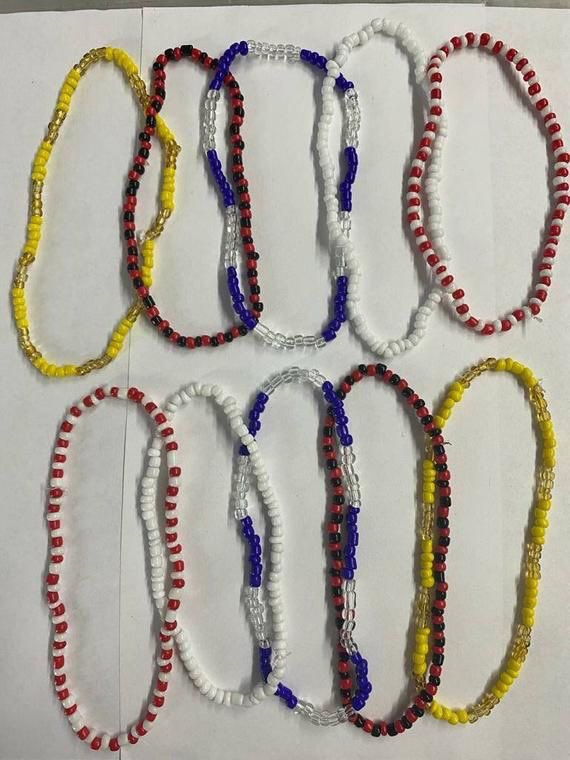
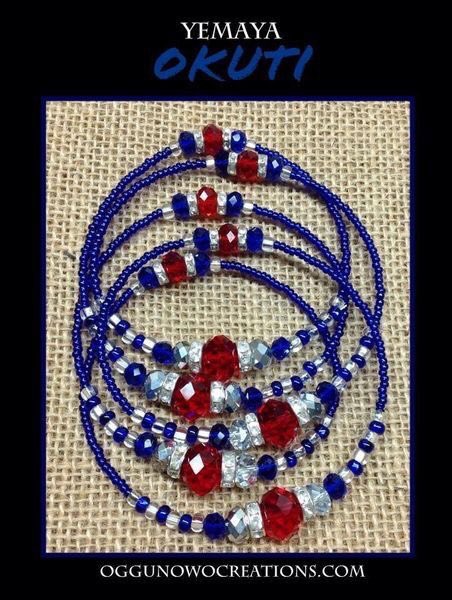
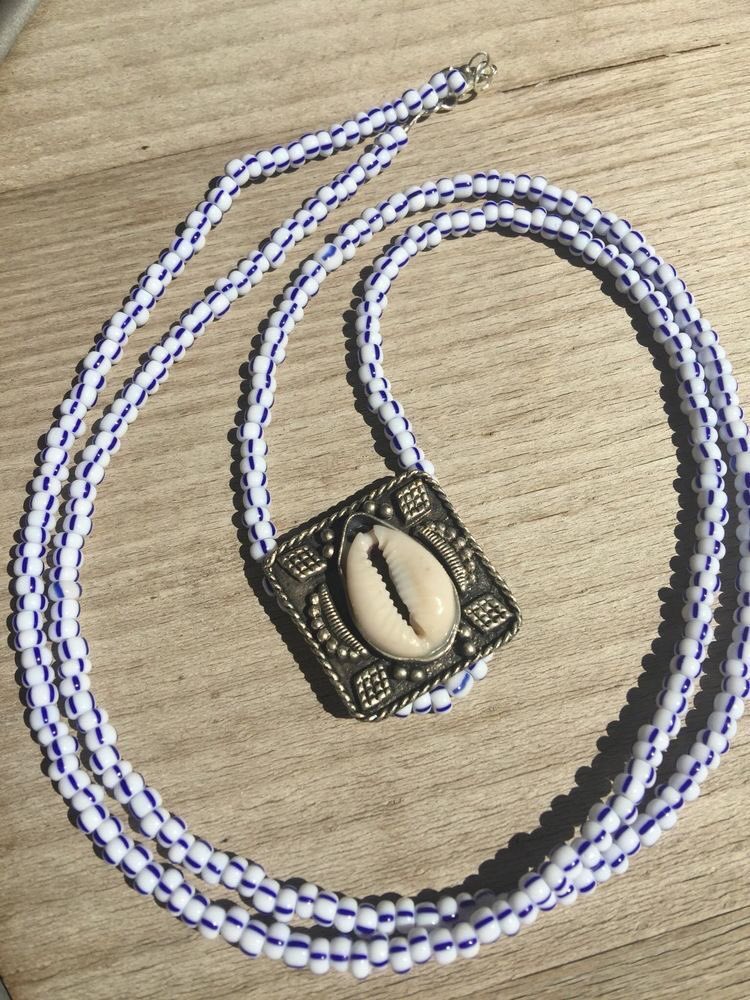
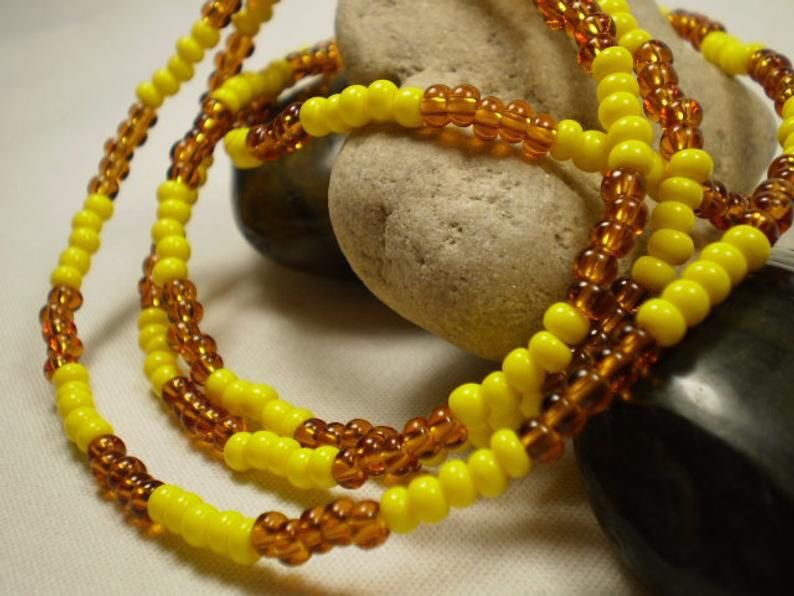
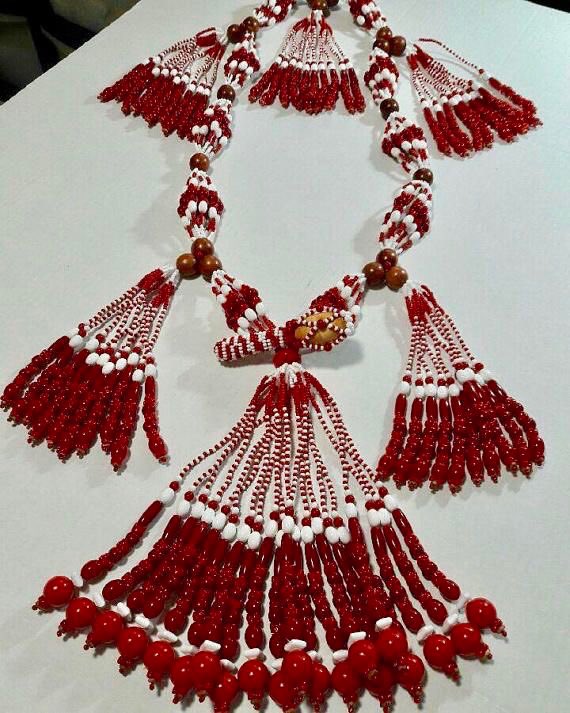
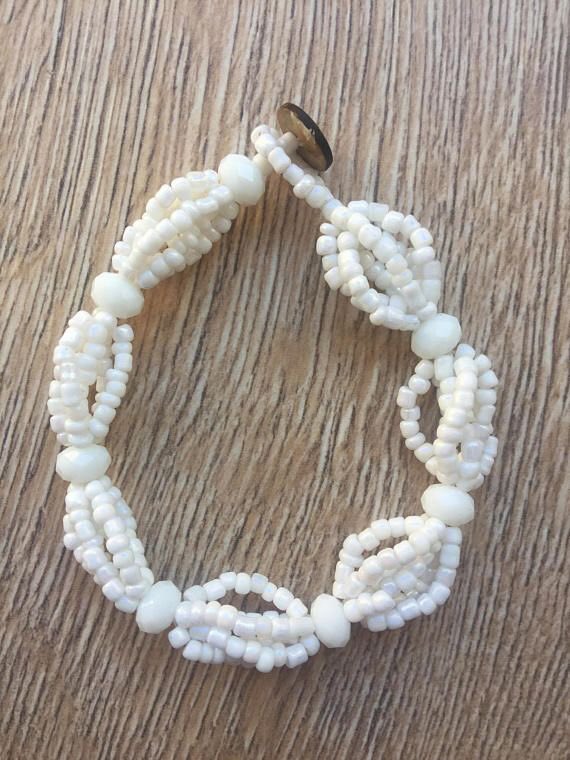
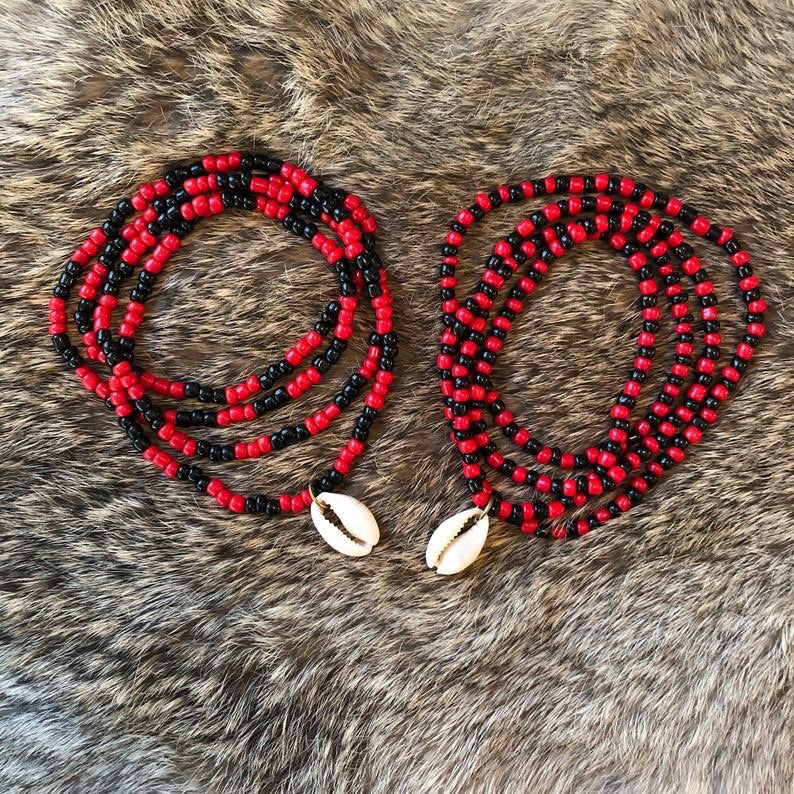
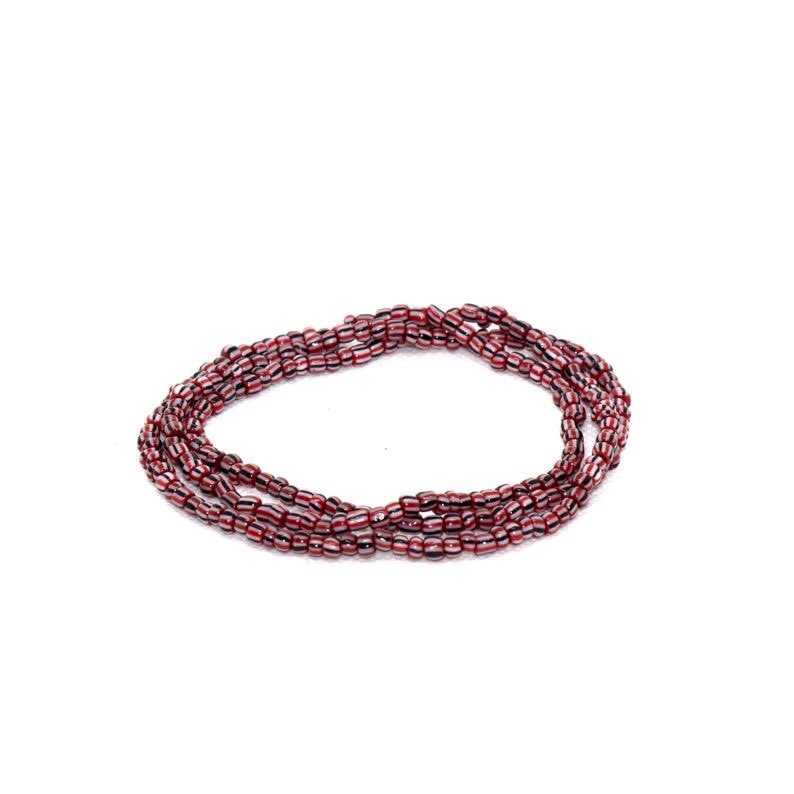
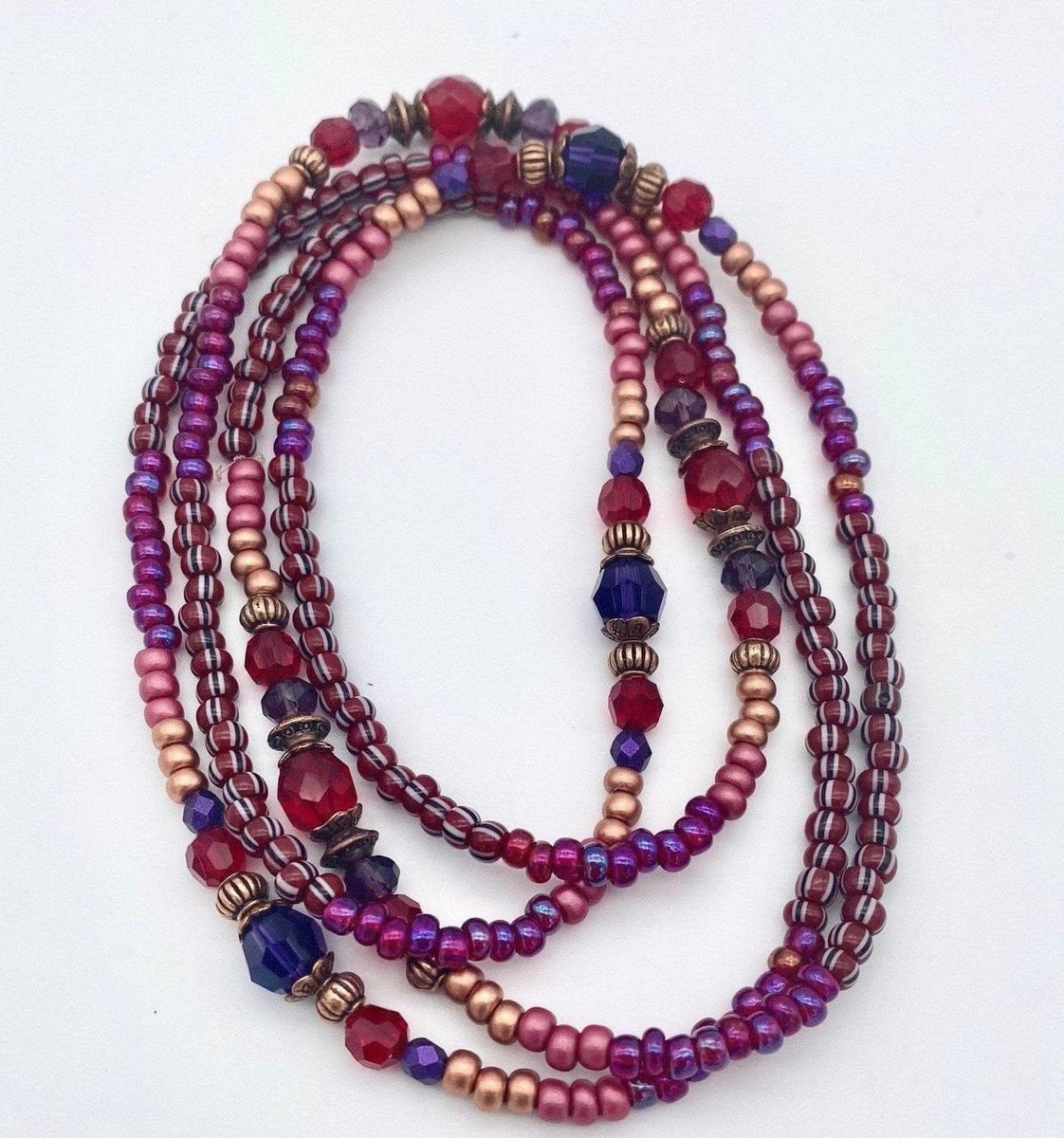
There are some interesting similarities between spiritual practices in Southern Africa & Ifa – Yoruba spiritual tradition. Take the wearing of beads for instance. Beads called ubuhlalu in Nguni languages or dipita in SeSotho or SeTswana are worn by people with a spiritual gift or calling in Southern Africa on instruction by the ancestors often in dreams. In the Ifa tradition the beads or eleke are gifted to initiates by the Ifa priests and priestesses according to the Orishas whose energies are dominant in that person. Common colours are white, blue and white, blue, clear and red beads, red and white, black and white bead, yellow & Amber beads. The designs can be a simple single strand worn on the wrist or around the neck or multiple strands with elaborate designs sometimes including seashells, bones or crystals.

A possible reason for the similarities is the spreading of African Spirituality with the migration of Bantu people in different waves from north, east, central and west Africa to the south. Some of the songs sung by South African healers learnt from being passed on by other healers in a trance state have lyrics that are not in a recognized South Africa language and sound like West and Central African languages that sound like BaMbara, BaMileke known to be older Bantu languages and Luyana and Tshiluba spoken in the Congo.

Image
Picture courtesy of Pinterest

The colours correspond to a cosmic energy which is personified as a god or Orisha. Similar correspondences are found in Kemetic Spirituality. The colours also correspond to the elements – earth, water, air, fire. There are many Orishas but there are the most popular ones. 

Image
Picture courtesy of Pinterest

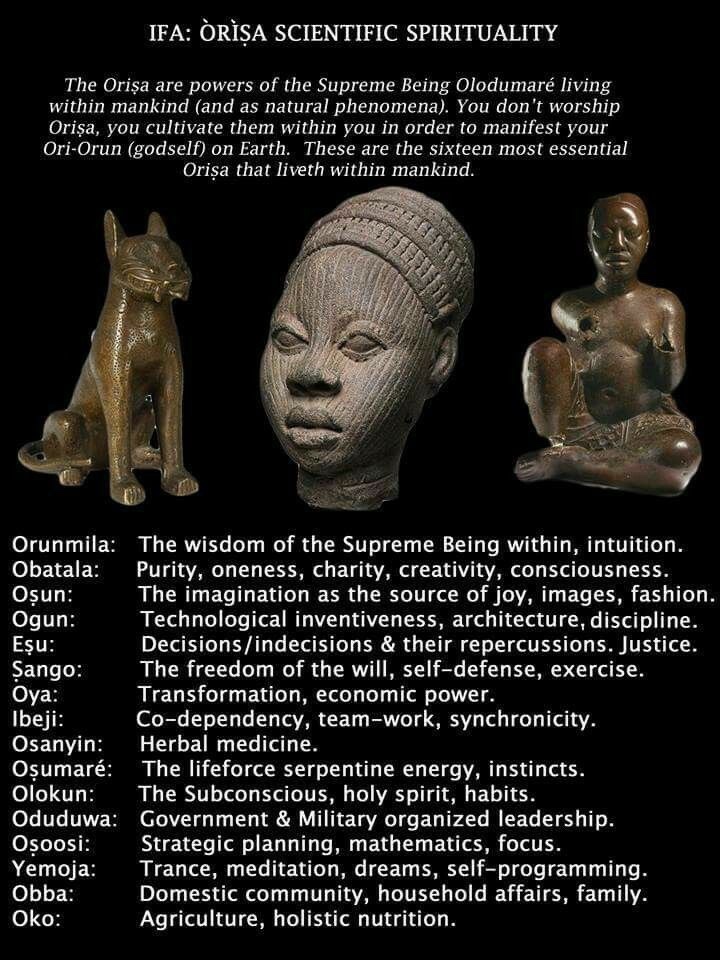
Yoruba tradition recognizes the Source Or Creator, called Olorun or Olodunmare. The Orishas are manifestations of Olorun as cosmic energies present in the universe and in all human beings. An Orisha is a spirit that reflects one of the manifestations of God. There are four hundred and one of them in total, each playing a role within the Yoruba pantheon. Twelve of them however can be equated to the twelve signs of the Zodiac along with their respective houses.

Olokun was the first of the Orishas. He dwells in the depths of the ocean & is associated with wisdom, divination & revered for giving prosperity. He is associated with the astrological sign of Pisces. This sign deals with the unconscious and things beyond the physical plane. Olokun’s aspects are therefore expressed within the astral, the subconscious, and altered states of consciousness that is experienced during meditation, initiation, and spirit possession. The colours of Olokun’s eleke are blue, white and clear beads. His element is water, particularly sea water. His qualities are similar to those of the the Ndau spirits of Southern Africa who are associated with rivers and the ocean. People possessed by Ndau Spirits, particularly those of Ndau ancestry from Zimbabwe, Mozambique and north-eastern South Africa are highly spiritual, skilled healers and some are feared or sought after for their prowess in dark magic.

Image
Picture courtesy of Pinterest
Image
Picture courtesy of Pinterest
Image
Picture courtesy of Pinterest

Some believe Olokun to be a male whose wife is Yemaya or Yemoja, the Mother of all Orishas & Goddess of the Ocean. She governs water, motherhood, and protects pregnant women. The colours of her eleke are blue & white & some designs include red similar to Olokun and seashells. She is associated with the sign of Cancer, the crab, a sea creature with a protective shell that does not let go once its claws grab something, also known for being maternal, protective, nurturing, and instinctive and the 4th house associated with the home. Her name is a contraction of the Yoruba words “Yeye omo eja” which means “Mother whose children are like fish”. This represents the vastness of her motherhood. The ebb and flow of the ocean tides are a result of the moon, the fourth house’s ruling “planet”. Her element is water, particularly sea water as all rivers flow to the ocean. Yemaya’s qualities are also similar to Ndau spirits that are associated with the oceans. Female healers are strongly affected by Ndau spirits because they dwell in the sacral chakra, close to the belly and reproductive organs.

Image
Picture courtesy of Pinterest

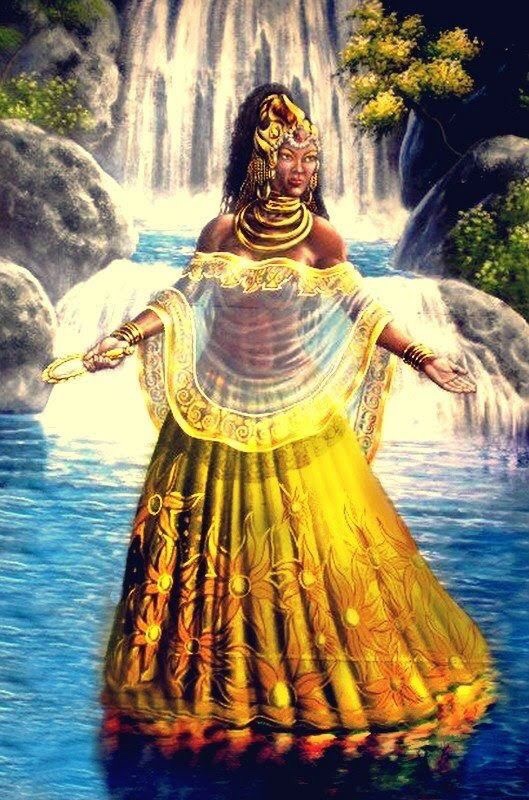
A popular Orisha is Oshun, goddess of divinity, fertility, femininity, beauty & love. She is the daughter of Yemaya & consort of Shango. Taurus is the ruling sign of the second house, which is the house of possessions. This should not only be understood as material possessions but also as traits and characteristics that we value about ourselves. The ruling planet Venus is also the Roman goddess of love, whose Orisha equivalent is Oshun. Oshun is the goddess of fresh water (opposite to the salty, ocean waters of Yemoja), sensuality, prosperity, love, and fertility. The colours of her eleke are yellow and gold. She is associated with fresh water like the Ndau spirits that also reside in the sacral chakra and govern creativity, sexuality and prosperity. Ndau people, women especially are reputed to be very resourceful and enjoy the finer things in life, particularly clothes, jewelry, shoes and perfume. Oshun is often depicted as a beautiful young woman with a mirror. Beyoncé is believed to be a follower of Oshun.

Image
Picture courtesy of Pinterest

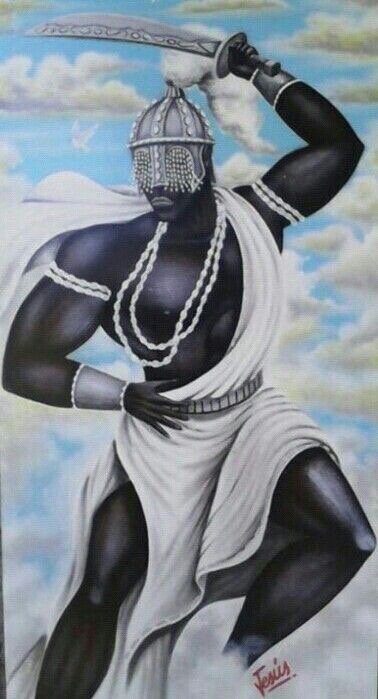
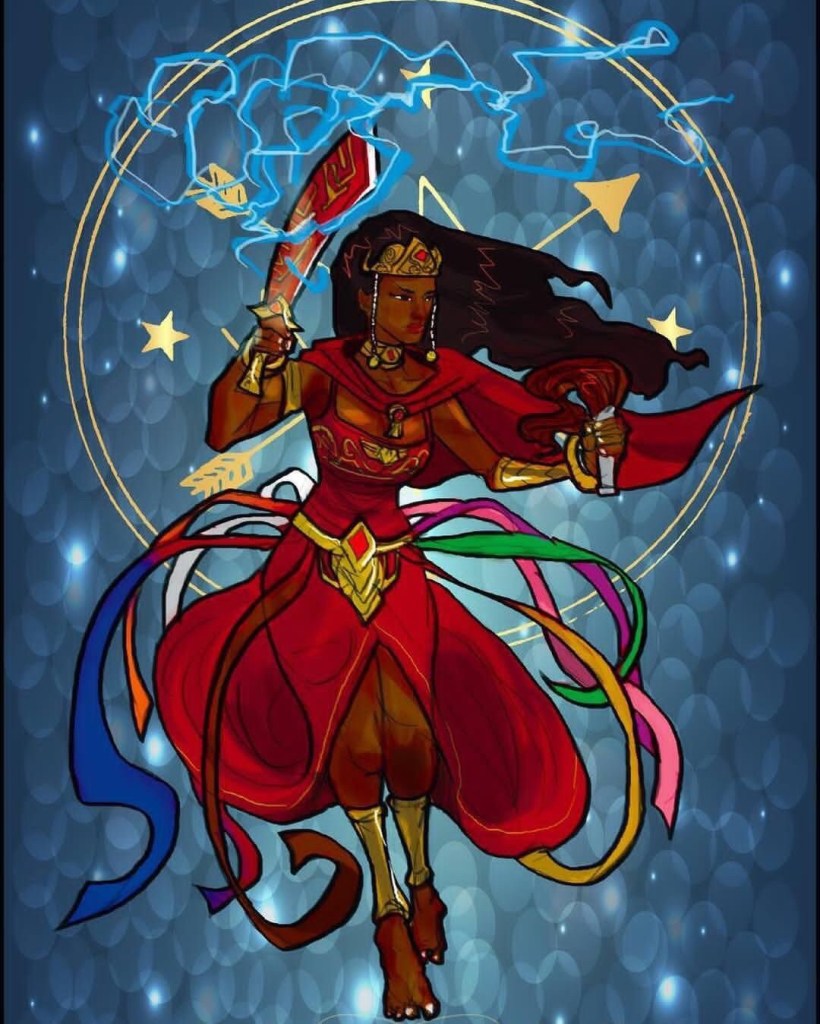
Shango the god of iron and fire is the most feared and powerful of the Orishas and believed to create thunder and lightning. He is the consort of Oshun. He rules the astrological sign of Aquarius which is associated with rapid social change, upheaval, and rebellion. These traits all reflect Shango, the warrior Orisha of thunder, lightning, and fire. Once a living king on Earth, Shango is known for working miracles after his death. This elevated him to the status of Orisha. The colours of his eleke are red and white. His qualities are similar to the Nguni Spirits which are associated with war and are powerful, protective energies. Beads worn by diviners with Nguni Spirits are red and white.

Image
Picture courtesy of Pinterest

Obatala was the Orisha tasked with creating land and human beings. He is believed to be the father of Shango, a warrior, a powerful & magical being, capable of manipulating cosmic energy & capable of reading minds. The colour of his eleke is white. His element is air. The Orisha of purity, Obatala was sent by the Supreme Being at the beginning of time to form the Earth. He also constructed the bodies of humans. Obatala completed his construction of the bodies he created by adding heads to them. He therefore became known as the owner of heads. The head is symbolic of intelligence, higher education, and deeper understanding, all which the ninth house represents. Obatala is associated with the sign of Sagittarius and the ninth house, which is is the house of philosophy and is ruled by the planet Jupiter, His qualities are similar to those of the AbaLozi spirits that communicate in whistles and bestow gifts of clairaudience and claircognisance among other psychic gifts to those they possess. AbaLozi spirits often give gifts related to prophecy and pre-cognizant dreams. They like to work with white candles and beads.

Image
Picture courtesy of Pinterest

Elegua or Eshu is the messenger & Orisha of the crossroads. He is the ruler of the sixth house, and the sign Virgo. Health, work, and service are central to the sixth house. It is ruled by the planet Mercury, the messenger of the gods within the Roman pantheon. Eshu is the Orisha that stands at the crossroads between the physical world and the spirit world. His duty is to be the intermediary between man and the Orisha. Therefore, when one wishes to call upon the Orisha, he or she first gets permission from Eshu. This is symbolic of clearing and preparing the mind to receive whatever message the Orisha have for you. He is invoked to venerate the ancestors & open the path to Olodumare the supreme deity. The colours of his eleke are red, black and white. His elements are earth and air. African ancestral spirits are believed to carry messages from the Creator. Red beads symbolize the sacrifice that connects the healer to the ancestral spirits, while black beads symbolize death, a metaphor of dying to your old life and accepting your calling as a healer or diviner. Abalozi people in Zambia also dress in red and black for ceremonies. Healers with unMndiki spirits from our oldest blood ancestors among the Mandinka people of Mali and Burkina Faso also wear red and black or red and white beads.

Image
Picture courtesy of Pinterest

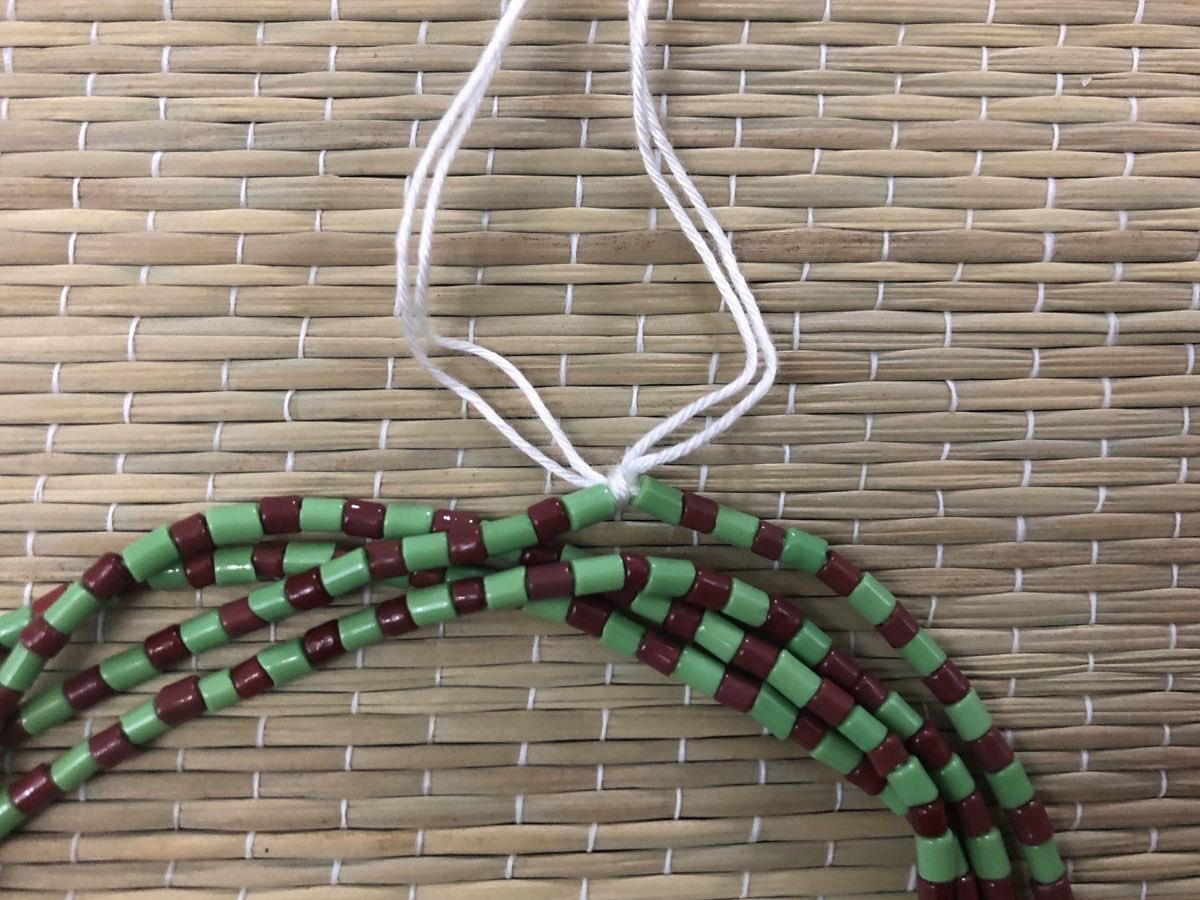
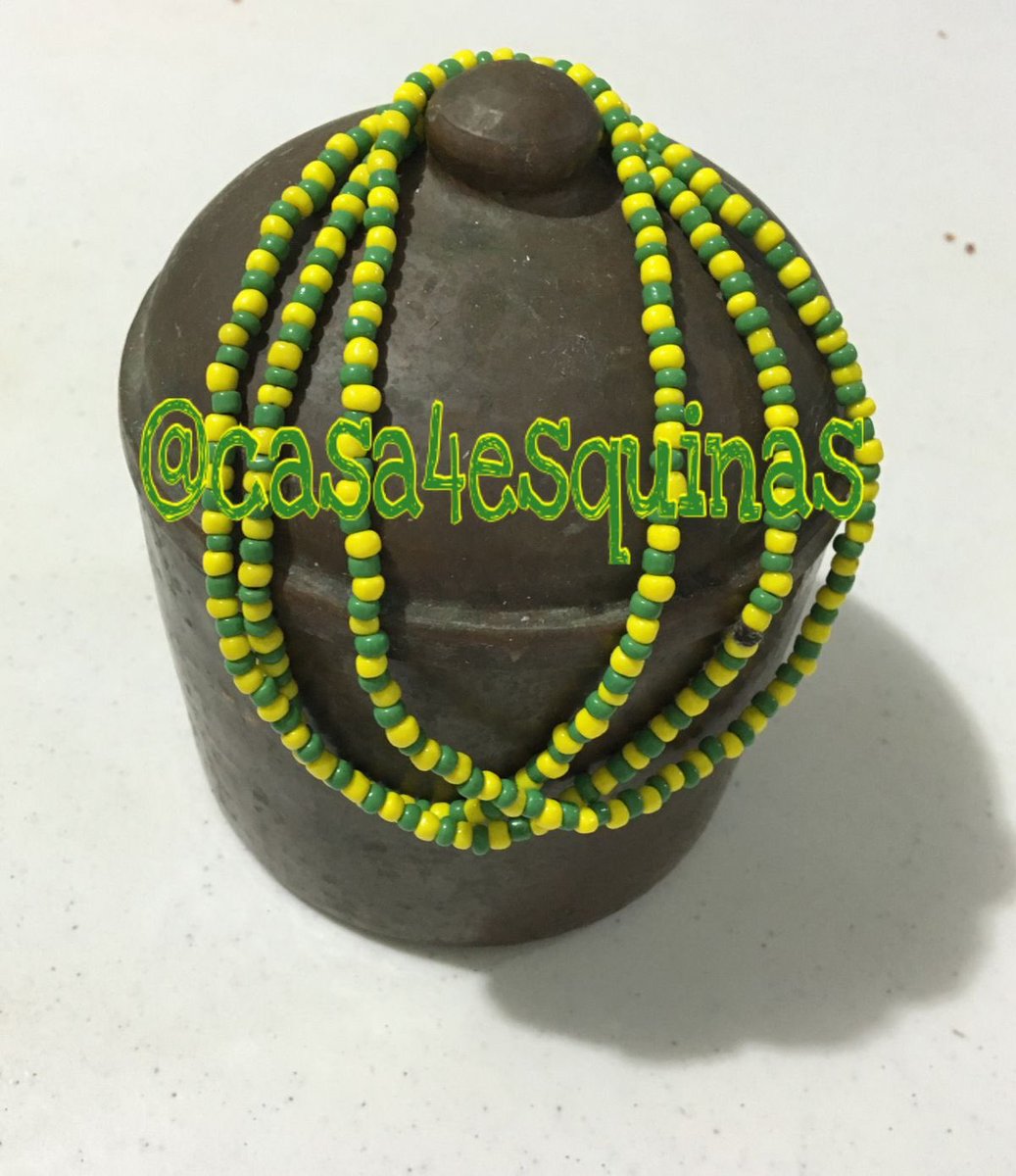
Orunmila is the Orisha of knowledge, destiny & prophecy. He assisted Olodumare in creating the universe, planted the first plant on earth & designed the 16 characters of humanity & a healer of other Orishas. He is associated with the sign of Leo, the fifth house of the Zodiac, of is the house of creativity and pleasure, ruled by the sun. This house deals with gaining pleasure through acts of creation, artistically and even procreation i.e. the creation of offspring. The Sun, the ruling “planet” of the fifth house, is a symbol of creative energy, illumination, and knowledge. These are all aspects the Orisha of wisdom, knowledge, and divination Orunmila reflects. It is Orunmila’s duty to record the destiny of individuals the moment the breath of life is given to them. The colours of his eleke are green, green and yellow or green and brown. His elements are earth and water.

Some African healers wear green, green and yellow or green and brown beads and carry the gift of divination using whatever tools their ancestors use, be it bones, tarot cards, shells, crystals, water etc. They may also carry the gifts of alchemy the ability to transmute negative energy into positive energy and herbalism, the ability to heal using herbs and other natural elements. They are known as inyanga, those who use the phases of the moon to gather herbs or igedla: keepers of knowledge and able to heal the body and spirit using knowledge of plants and other natural elements.

Image
Picture courtesy of Pinterest
Image
Picture courtesy of Pinterest
Image
Picture courtesy of Pinterest

Oya is the goddess of the weather, psychic abilities, rebirth intuition & clairvoyance. She also carried the souls of the dead to the next world. She is loving & fierce. Her symbol is a flywhisk or ishoba carried by sangomas. The colours of her eleke are the rainbow, purple & red. Her elements are air, water and fire. Oya, is associated with the sign of Scorpio and the the eighth house, ruled by Mars. This is the house of transformation, regeneration, death, sex, and rebirth. She is the powerful force in nature that can change the face of the Earth. She embodies the tornadoes and twisters that uproot trees and houses with her destructive winds. This powerful Orisha is also responsible for carrying the spirits of the newly departed to the spirit world.

In the Zulu Cosmology, the goddess Nomkhubulwane is one of the seven messengers of the Creator and rules over weather and rain and her symbol is the rainbow.

Image
Picture courtesy of Pinterest

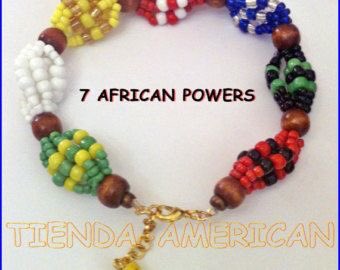
Some priests have associations with multiple Orishas so their eleke or beads with have sections or combinations for the cosmic energies they channel or work with. They have initiates & the eleke are specially strung & given to them. 7 African powers is an example. 

Image
Picture courtesy of Pinterest
Image
Picture courtesy of Pinterest

If you are drawn to unusual bead colours & combinations or see them in your dreams these may be clues to your ancestry or heritage & spiritual path. Beads used intentionally can strengthen spiritual connection & heal you through the vibration of colour. You don’t have to be an initiated healer to wear beads in Southern Africa. These usually indicate the nature of your calling, your dominant energies and the parts of your energy field or chakras that you need to balance and heal to effectively connect to Spirit and to protect you.

Sources: http://www.thegnosticdread.com

Commonality between Zulu & Ifa Cosmology

By Nomathemba Pearl Dzinotyiwei

Zulu traditional dress. Picture courtesy of Pinterest

The Zulu people are the largest ethnic group in South Africa, found mainly in the south-east in KwaZulu Natal. KwaZulu means the place of the Zulus. In Zulu cosmology the Creator (UMdali/uMenzi) has 7 aspects or messengers known by some as gods because they had greater power and consciousness than human beings. The number 7 is a sacred symbol of divine fullness. Each Of these divine messengers had a divinely ordained function.

The Orishas are the deities in the Yoruba spiritual tradition known as Ifa. The Yoruba people are from the south and west of Nigeria. The Orishas are aspects of the Supreme Being or the Creator given charge over different aspects of life. There are many Orishas however there are seven that are most popular and known as the Seven African Powers.

There are interesting parallels between the spiritual beliefs of Zulu and Yoruba people. Primarily these are centred around a single Supreme Being, the Creator. The Creator expresses his character through different cosmic energies that are personified as deities or gods. Human beings are made in the image of the Creator in terms of spirit so they carry the same energies within them. For the ease of human understanding human social constructs such as the family are used to teach complex cosmic concepts and stories are used to convey the wisdom in a way that can be readily understood, memorized and passed on from generation to generation.

Ifa Orishas. Picture courtesy of Pinterest

UMvelinqangi is the chief of the messengers. He connects people to all the other messengers. He is responsible for balance and centrality. He is the one known as Modimo wa Badimo, in SeTswana, the greatest of all the spirits. He has similarities to Obatala in the Yoruba spiritual tradition.

Ifa Orisha Obatala. Picture courtesy of Pinterest

Ma, is the Universal Mother, Credo Mutwa, the famous Zulu Shaman called her Ninavanhu Ma. She gave birth to the first humans. She is a caregiver and nurturer. She gave the original blueprint of motherhood and embodies that powerful cosmic energy. There are similarities to Yemaya in the Yoruba tradition.

Ifa Orisha Yemaya. Picture courtesy of Pinterest

Sodumo is responsible for the destinies of human beings. He connects the living and the dead. From him, each soul is given it’s assignment on earth to grow in consciousness through various experiences chosen by the individual before they are conceived. There are similarities to Orunmila.

Picture courtesy of Pinterest

Nomkhubulwane governs the phenomenon of rain and rainbows. Ancient priestesses prayed to her for rain. The original shapeshifter, she adopts the form of any animal. She sounds similar to Oya, the Orisha of weather & storms whose symbol is the rainbow.

Ifa Orisha Oya. Picture courtesy of Pinterest

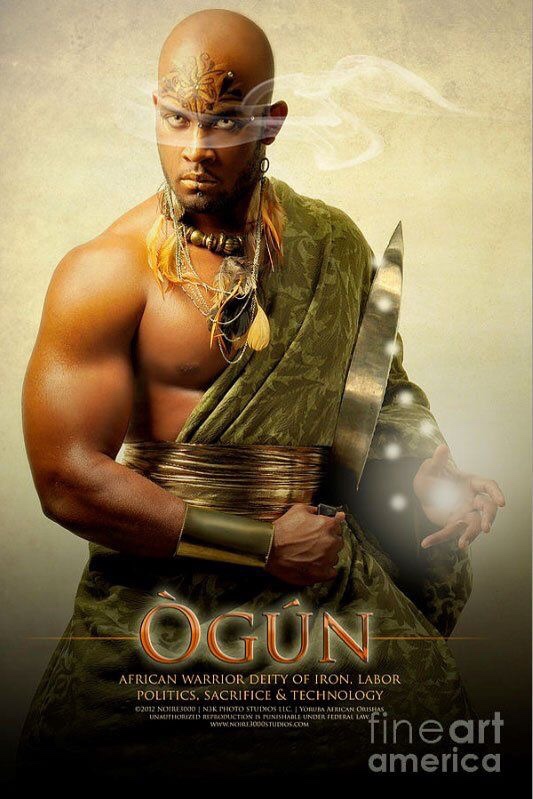
Somandla embodies the cosmic energy of vitality and power and gives humans the power to achieve anything. African Christians pray to USomandla for strength and capability as he represents the Omnipotence of God the Creator. His colour is red. He shares similarities with Ogun.

Picture courtesy of Pinterest

Nomhoyi embodies the energies of sensuality & fertility. She is associated with rivers. She brings spiritual cleansing & consciousness which comes with baptism. She brings peace and protection. She shares similarities with Oshun, the Orisha of fertility beauty and love.

Ifa Orisha Oshun. Picture courtesy of Pinterest

Mlenzemunye, (means the one-legged one ) embodies the cosmic energies of courage, protection, & change. He protects people from harm. His Ifa counterpart is Osanyin, also🦵 who is in charge of healing & magic associated with diviners & herbalists.

Ifa Orisha Osanyin. Picture courtesy of Pinterest

The number 7 has significance in numerology, sacred geometry and many other spiritual traditions including Christianity. Isaiah chapter 11 tells of the 7 spirits of the Lord. Revelation tells of the 7 eyes of God which symbolizes the 7 spirits of the Lord. This is why the Jewish menorah or lamp stand has 7 lights or candles.

Christianity found resonance with African people because the Christian God was in many respects similar to the Creator revered by Africans for millennia. Human beings may be divided by religion, language, culture and tradition but are united in the Spirit.

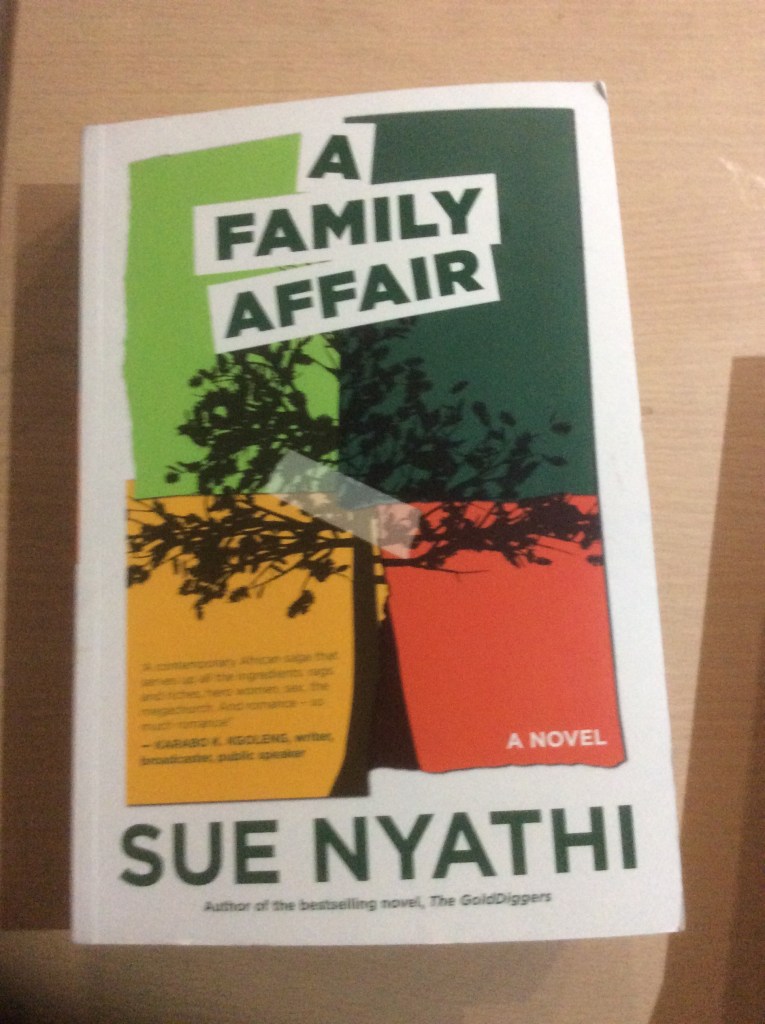
Book Review: A Family Affair By Sue Nyathi

By Nomathemba Pearl Dzinotyiwei

I’ve been saving Sue’s latest novel for a time when I have time to read uninterrupted. The wait was well worth it. There is always a temptation to retell the story when you enjoy it so much. This family saga set in Bulawayo has all the elements of a bestseller. It’s good to finally read a family saga in the tradition of Barbara Taylor Bradford in an African setting. Having lived in Harare and visited Bulawayo it brought back memories of growing in Zimbabwe before the economic collapse.

Sue’s characters and settings are completely relatable. We all have the black sheep sibling, the meddling aunt, the feckless uncle and delinquent teenage and religious fundamentalists to keep everyone in line. Sue manages to convey the pathos and despair of sexual and physical abuse, dire financial straits and the choices people make in desperation to survive and hold onto the people they love while weaving all of it into a great story.

She deftly portrays contemporary social issues such as the modern mega churches where people turn to faith in God to ease the pain and despair and find solutions for issues in their lives. Conservative views about women, their sexuality and relationship choices are also a key theme as the family grapples with the issue of unwed motherhood, separation and divorce in the lives of their three daughters. A man’s sexual sins are not judged with the same severity. Interestingly it’s the women who are more vocal and judgmental about what constitutes appropriate behaviour.

I enjoyed every page. I would recommend you read this and her other books Polygamy and Gold Diggers.

Book Review: Nomaswazi by Busisekile Khumalo

The story begins with a recollection of a wedding. You would think they live the happily ever after. Instead find yourself on a high speed train ride that is the relationship between Nomaswazi and the man that left her at the altar. An innocent girl, she is crushed by the rejection and flees to Johannesburg.

One day she is minding her own business when he saunters casually back into her life and decides that he has no intention of leaving. She loves him, yet she hates him. He loves her, yet he feels undeserving of her after ditching her at the altar and trying to keep a lid on the demons of his past. He pulls out all the stops in his effort to get her back. The story will have you hooked, wondering what other curveballs the writer will throw and she has plenty. Busisekile’s imagination is unparalleled and her research is on point making the story so real.

With recollections of war, weapons smuggling, intrigue, hot erotic encounters as well as a fatal sibling rivalry, this story set mainly in rural eSwatini will keep you up late as you try to find out whether Nomaswazi and her man eventually make it down the aisle and get their happily ever after.

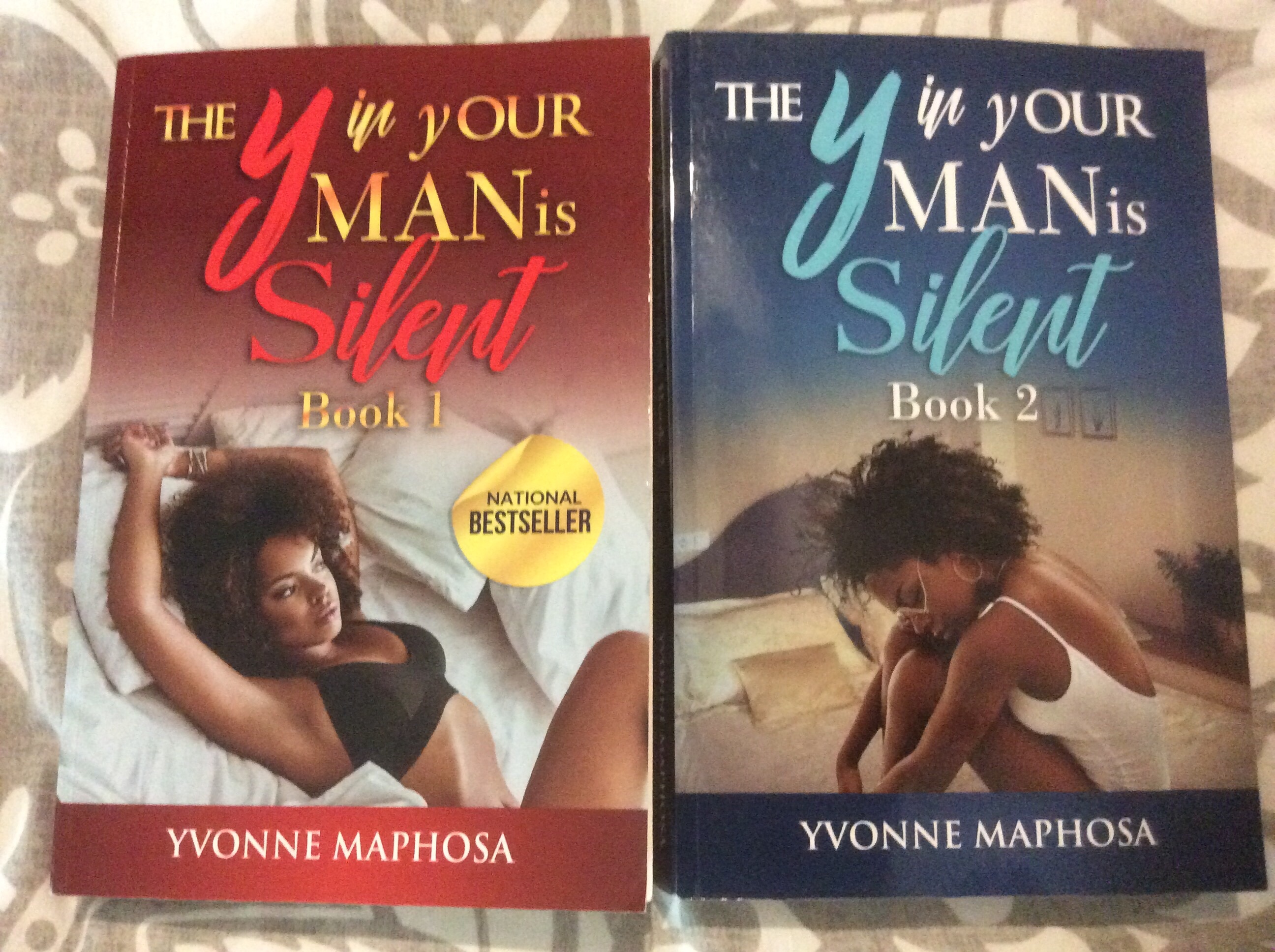
Book Review: The Y in Your Man is Silent Book 1; Book 2 by Yvonne Maphosa

By Nomathemba Pearl Dzinotyiwei

“He’s not your man, he’s OUR man.” That is the essence of the story in these two books. Whether she’s called the mistress, the side-chick or side dish, the other woman has many names in every language. This story is told from her point of view. An innocent, nerdy engineering student named Lastborn Fierce Nkomo from Zimbabwe falls for the charm of a handsome, dashing Ghanaian professor named Elikplim who’s a few years older than her. He’s a caring, sensitive man, a worthy contender in the Boyfriend Olympics, that is until he marries someone else. Despite that, the epic cross country love affair set in Cape Town and Johannesburg continues with Akon’s music as their soundtrack.

Just when you think you know what happens next, the author literally pulls the rug from under the feet of your mind and sends you tumbling as the couple lurch from one disaster to another, major and minor. Unlike most romantic dramas, in fact drama doesn’t even begin to describe it, the author unapologetically refuses to let them to catch a break. Rolling in money from his engineering practice with his best friend and partner in crime at every level called Lumka, Elik is the ultimate blesser. A generous man, not only with his money, he’s also extremely liberal with his umm… candy cane. There was so much cheating going on, even the players were getting played, I felt like I needed therapy after Book 1 and halfway through Book 2. I watched Star Wars then finished the story.

The story gives the other woman’s perspective of the extra-marital affair. Komla, the wife, favoured by the family, is not entirely innocent and makes a few fatal mistakes in her desperate quest to save her marriage. Betrayed repeatedly by Elik, physically and emotionally abused in turn by his wife, her sister and his other relatives; Fierce, named after a freedom fighter and true to her name, fights her wiser, more sensible self, her family, her friends and Elik’s wife and family to hold onto her love for him, repeatedly forgiving him and taking him back. She experiences a dramatic and cruel rejection by her own family, just as she is preparing to make things right by finally becoming an honest woman. The journey to redemption is equally arduous as the couple try to work out why and how their individual messes come together to create the hot mess that is their relationship.

With progressively steamy scenes as the story goes on, with break-up sex, make-up sex, revenge sex, theatrical break-ups and equally sudden make-ups, Fierce and her ‘Ghana Man’ as Fierce’s Aunt calls him, will take you on an emotional rollercoaster ride. The ending is no less dramatic. A third book is definitely in order otherwise the suspense will kill anyone who dares to read both books.

As a self-published work, there is a lot of artistic license, so there is phrasing that would cause the grammar and syntax Nazis to take umbrage. Otherwise it’s a gripping and unforgettable read which needs its own Netflix series. I hope the universe is listening.

Poverty, Violence and Crime in SA. What Can We Do About it?

By Nomathemba Pearl Dzinotyiwei
It pains me to write this. SA is a beautiful country. But the contrasts are hard to ignore. The ultra-rich 1%, the better off 9% that manage on credit & the 90% that are not able to make ends meet. We complain about crime, violent protests & derelict infrastructure. How did we get here? When we talk of apartheid and colonialism, people want to shut it down and say ‘get over it’. But it’s not over. Both had a terrible & lasting impact on the psyches of Black people which will take generations to erase. The violence & crime we see today is a direct result. 
The violence and oppression of Black people in South Africa because is now manifesting as violent crime such as robbery, rape etc. Black men felt powerless & took their emotions out on women & children, those weaker than them. They turn on foreigners for the same reason. The violence of the protests is a result of not being heard until essential infrastructure is damaged.
Black people have been underpaid and many still are, compared to white people in the same jobs. If you don’t pay the parents a living wage, they can’t feed their children properly. Inadequate nutrition & mental stimulation before age 3 leads to irreversible brain damage. Research has shown that poor people live under unremitting stressful conditions which lead them to make poor decisions of the short-term kind. They are unable to plan beyond getting the next meal by any means available. Those people unfortunately are the majority of the 90%.
Captains of industry complain that there are no skills in engineering, science & maths. Where will the skills come from? The people do not have the capacity to learn due to childhood malnutrition, because their parents were poorly paid plus they had ill-equipped schools. The same people complain about crime & how it deters investors. They refuse to connect their desire for short- term profit 2 generations ago to the social problems that we see today. They pretend that everyone has the same 24 hours & equal opportunity while bypassing BEE rules. 
There are no easy solutions. I agree with Professor Mamokgethi Phakeng  @UCT_VC calling for a wealth tax on the 1%. The 9% are burdened by income and value-added tax which take up a significant portion of their income. The wealthiest 1% do tax planning and manage to get away with legal avoidance of taxes because they can afford professional tax advice. The project for national renewal needs funding.
We need sound ethical leadership at all levels of society. The focus on short-term profit needs to be done away with. Shareholders who put pressure on businesses to make a profit at all costs are equally responsible. Naturally they belong to the 1%. The same shareholders look the other way when their executives bribe or make “facilitation payments” to get government business. The culture of corruption in the public sector is not a post-apartheid phenomenon. However our leaders learned from the best and have taken corruption to another level. Now there is nothing left to steal.
We can start by ensuring children are properly fed & early childhood learning centres are built. Then we can stop manufacturing criminals. This requires parents who are working to be paid a living wage. It’s a no- brainer. The multiplier effect alone of improving workers’ incomes will create a bigger more profitable market in the long run for business.
To address the issue of violence, we need conflict resolution work & debriefing to happen in our townships and schools to enable people to solve problems without resorting to violence. The work that Forest Whitaker @ForestWhitaker is doing with his foundation in the Cape flats is commendable. We need more of that. 
60% of households in SA do not own a book. Only 14% of the population read for leisure. A novel on average costs R250 in a bookshop. We need government to support the publishing industry by zero-rating VAT on books. Festivals like the Abantu Book Festival  @Abantu_ need support to build a reading culture. Because South African history is not taught in schools, works of fiction or historical novels and works of nonfiction can fill that gap. The lack of knowledge of history, whether our own i4 that of others means we are doomed to repeat the same mistakes.
The film industry can also be used to turn the culture around. Nollywood & Bollywood are the biggest film industries in the world by turnover. Investment in local films to provide entertainment and facilitate a culture change. Mobile cinemas can help reach people in remote areas. If we can make films that show what South Africa can be to the younger generation, then we have a chance to re-engineer the national psyche to create our best selves.
Government needs to be serious about creating employment for adults without STEM skills. It’s no use talking about 4IR in a developing country without basic infrastructure, roads, railways, bridges, water and electricity. That work can be done by unskilled people, just pay them. If you keep them busy and pay them well, then they can look after their families and not be tempted to rob, rape and kill.
If you don’t want crime, then stop creating fertile conditions for it, Incidentally among the 1% are those making money from the drug trade, trafficking of stolen goods & human trafficking. They too are responsible for corrupting government officials, who then look the other way as they continue with their nefarious activities. Luckily for them, they can afford armed private security & sip champagne & cognac behind high walls & gates. They can scoff at ‘the wretched of the earth’ but there will come a time when all that money will not save them, when social systems collapse completely.

The legacy of violence created by colonialism and apartheid will continue until the cycle is broken. There can be no freedom or security is the majority of the people are living in poverty & fighting for the scraps. Breaking that cycle requires conscious and ethical leadership that is prepared to do the right thing for the greater good. SA is not irretrievably broken at this point, however the longer we wait, the close we edge towards being a failed state. The country north of the border is almost there. South Africa is not special, no matter how highly we think of ourselves, it can happen here too. It’s not too late to stop it. Our future depends on what we do now.